Tour Facts

Tour Duration:
16 Days

Country:
Nepal

Activity:
Trekking

Region:
Manaslu

Accomodation:
Teahouse, Lodges, Guesthouse

Grade:
Moderate

Meals:
Breakfast, Lunch, Dinner ,Tea or Coffee

Best Season:
Spring and Autumn

Departure From :
Kathmandu
Tsum Valley Trek Overview
Tsum Valley Trek is a beautiful journey into a hidden valley in northern Nepal. It is part of the larger Manaslu region and is less crowded than other trekking routes. The valley is full of natural beauty, with high mountains, deep forests, rivers, and waterfalls. It is also rich in culture and tradition because people in Tsum Valley have lived there for hundreds of years. The locals follow Buddhism and live in small, peaceful villages. Walking through the valley, you can see old monasteries, prayer wheels, and chortens, which make the area feel very spiritual.
The trek starts from the small town of Arughat and moves through lush green forests, hills, and rivers. Along the way, trekkers pass through villages like Soti Khola, Chumling, and Chhekampar. These villages are home to the Tsumba people, who are friendly and welcoming. Staying in local teahouses gives trekkers a chance to see traditional life up close. You can try local food, drink butter tea, and even learn about their customs and festivals.
One of the best things about Tsum Valley is the scenery. The valley is surrounded by the Himalayas, and you can see mountains like Ganesh Himal, Himalchuli, and sometimes even Manaslu. The forests are full of rhododendrons, pine trees, and bamboo. Wild animals like red pandas, monkeys, and birds live in the area. Walking through this peaceful environment feels like stepping back in time.
The trek is moderately challenging. It has steep paths, river crossings, and high-altitude sections. Trekkers need to be ready for long walks and sometimes cold weather, especially at higher elevations. The highest point in the trek is near the Lho village area, where you can enjoy amazing mountain views.
Tsum Valley Trek is not just about hiking. It is about exploring culture, nature, and a way of life that has stayed the same for centuries. Because it is a restricted area, trekkers need special permits, which helps keep the valley protected. This trek is perfect for travelers who want a quiet adventure, cultural experiences, and breathtaking scenery away from busy trails. Visiting Tsum Valley leaves you with unforgettable memories of Nepal’s hidden beauty and the warmth of its people.
Tsum Valley Trek Highlight
- Hidden Valley Adventure – Tsum Valley is a remote and less crowded region, giving trekkers a peaceful and authentic experience.
- Beautiful Himalayan Views – You can see mountains like Ganesh Himal, Himalchuli, and Manaslu in clear weather.
- Rich Buddhist Culture – The valley is full of monasteries, prayer wheels, and chortens, showing the local Buddhist traditions.
- Friendly Local People – The Tsumba people are warm and welcoming, and you can experience their traditional lifestyle up close.
- Traditional Villages – Stay in small villages like Chumling and Chhekampar to see local homes, food, and customs.
- Nature and Forests – Walk through lush forests with rhododendrons, pine trees, bamboo, and streams.
- Wildlife Sightings – There is a chance to see animals like red pandas, monkeys, and many kinds of birds.
- Spiritual Journey – The peaceful monasteries and meditation spots make the trek feel calm and spiritual.
- Moderate Trek Challenge – The trek has hills, river crossings, and high-altitude paths, giving adventure without extreme difficulty.
- Unforgettable Memories – Because it is a hidden and protected area, every moment in Tsum Valley feels unique and special.
Tsum Valley Trek Itinerary
Expand AllOn the first day of your Tsum Valley Trek, you will arrive in Kathmandu, the capital city of Nepal, at an altitude of 1400 meters. After landing at Tribhuvan International Airport, a private vehicle will take you to your hotel in the city. Kathmandu is a busy and lively place, full of history, culture, and colorful streets. Today is a day to relax, rest, and recover from your journey. You can enjoy a warm meal at the hotel and take some time to explore the nearby area if you feel like it. The distance from the airport to most central hotels is usually about 10 kilometers. This day gives you a chance to prepare your gear, meet your guide, and get information about the trek ahead. A calm start helps you feel ready for the adventure in the mountains.
On the second day, you will leave Kathmandu and start your journey toward the Tsum Valley by road. You will drive about 8 to 10 hours, covering approximately 140 kilometers. The road passes through beautiful landscapes, including hills, rivers, and small villages. As you descend from Kathmandu at 1400 meters to Machhakhola at 870 meters, you will notice the climate becoming warmer and the vegetation changing to lush green forests. Machhakhola is a small riverside village and serves as the starting point of the trek. Upon arrival, you can relax and enjoy the peaceful surroundings of the Budhi Gandaki River. This day helps you adjust slowly to the environment and gives a first glimpse of the natural beauty of the Manaslu region. It is a calm and scenic start before the walking journey begins the next day.
On the third day, your Tsum Valley trek officially begins as you walk from Machhakhola at 870 meters to Jagat at 1350 meters. The trek covers about 12 kilometers along the Budhi Gandaki River. The path gradually climbs through small forests, terraced fields, and scattered villages. You will cross suspension bridges and see local farmers working in the fields, which gives a glimpse of daily life in the region. The trail passes through small streams and offers beautiful views of surrounding hills. Jagat is a quiet village and an important stopping point for trekkers entering the Tsum Valley. Here, you can rest in a cozy teahouse, enjoy local meals, and interact with friendly locals. This first day of trekking helps your body adjust to walking in hilly terrain while giving you the first taste of the valley’s peaceful and natural atmosphere.
On the fourth day, you will trek from Jagat at 1350 meters to Lokpa at 2250 meters, covering about 14 kilometers. The trail starts with a gentle climb along the Budhi Gandaki River and slowly moves into forests filled with pine, bamboo, and rhododendron trees. You will cross suspension bridges and walk past small villages where locals live in traditional stone houses. Along the way, you can see prayer flags, mani walls, and small chortens, which reflect the strong Buddhist culture of the region. The climb to Lokpa is steady but rewarding, as the views of surrounding hills and valleys become more beautiful with each step. Lokpa is a quiet village that offers simple teahouses for rest and meals. Spending the night here allows you to enjoy the peaceful mountain atmosphere and prepare your body for the higher altitudes ahead in the Tsum Valley.
On the fifth day, you will trek from Lokpa at 2250 meters to Chumling at 2380 meters, covering about 10 kilometers. The trail passes through peaceful forests and small villages, giving you a closer look at the Tsumba people’s traditional life. You will see terraced fields where locals grow barley, buckwheat, and vegetables. Along the way, prayer flags and small Buddhist shrines add a spiritual touch to the landscape. The path is gentle with a few small climbs, making it a comfortable day for walking while you slowly adjust to higher altitudes. Chumling is a small and quiet village with traditional stone houses and friendly people. Staying here allows you to experience the calm and simple lifestyle of the valley. The day is filled with natural beauty, cultural encounters, and the peaceful atmosphere of Tsum Valley, preparing you for the higher regions ahead.
On the sixth day, you will trek from Chumling at 2380 meters to Chhekampar at 3030 meters, covering around 12 kilometers. Today’s trail begins with gentle paths through forests and terraced fields, gradually moving into higher terrain. You will notice the air becoming cooler and the scenery opening up to views of the surrounding mountains. The villages along the way are small and quiet, with stone houses and prayer flags marking the Buddhist culture of the region. The climb to Chhekampar is steady and gives you a sense of achievement as the altitude increases. Chhekampar is a peaceful village where trekkers can rest in simple teahouses and enjoy local meals. Spending the night here allows your body to adjust to higher elevation. The day is filled with natural beauty, cultural encounters, and a serene mountain atmosphere that reflects the hidden charm of Tsum Valley.
On the seventh day, you will trek from Chhekampar at 3030 meters to Nile at 3360 meters, covering approximately 10 kilometers. The trail gradually climbs through forests of pine, fir, and rhododendron, giving shade and a peaceful walking experience. You will pass small streams and see prayer flags fluttering along the path, adding color to the natural surroundings. The villages you walk through are small, with stone houses and mani walls that show the Buddhist culture of Tsum Valley. The climb to Nile is steady but rewarding, as the mountain views become more dramatic and the valley opens up around you. Nile is a quiet village with traditional teahouses where you can rest and enjoy local food. Spending the night here allows your body to adjust to higher altitudes while soaking in the serene and spiritual atmosphere of the hidden valley.
On the eighth day, you will trek from Nile at 3360 meters to Mu Gompa at 3700 meters, covering about 8 kilometers. The trail climbs gently through open landscapes and small forests, giving beautiful views of the surrounding mountains. You will notice the air becoming cooler and thinner as you go higher, so it is important to walk steadily and take short rests. Along the way, you may see mani walls, prayer flags, and small Buddhist shrines, reflecting the spiritual culture of the Tsum Valley. Mu Gompa is a quiet and sacred village, known for its ancient monastery, which is a center for meditation and learning. Staying here allows you to experience the calm and peaceful life of the monks. The night in Mu Gompa helps your body adjust to the higher altitude while letting you enjoy the serene and spiritual atmosphere of the upper valley.
On the ninth day, you will stay in Mu Gompa at 3700 meters for rest or exploration. This day is important to help your body adjust to the high altitude before continuing further into Tsum Valley. You can spend the morning walking gently around the village, visiting the ancient monastery, and observing the monks as they perform their daily rituals. The peaceful surroundings and prayer flags create a calm and spiritual atmosphere. You may also explore nearby trails for short walks, enjoying views of the mountains, valleys, and rivers around Mu Gompa. Staying in local teahouses gives you a chance to try traditional meals and interact with the friendly villagers. This day is slow and relaxing, allowing you to recharge physically and mentally. It also gives you time to take photos and enjoy the serene beauty and unique culture of this hidden Himalayan valley.
On the tenth day, you will trek from Mu Gompa at 3700 meters down to Burgi Village at 3250 meters, covering about 12 kilometers. Today’s trail takes you to the famous Milarepa Cave, where the great Buddhist yogi, Milarepa, is believed to have meditated. Visiting the cave offers a spiritual experience and a chance to learn about the history and teachings of Tibetan Buddhism. The path gradually descends through alpine meadows and small forests, with beautiful views of surrounding peaks and valleys. Along the way, you will pass prayer flags, mani walls, and small streams, adding charm to the trek. Burgi Village is a quiet settlement with traditional teahouses where you can rest and enjoy local meals. Spending the night here allows your body to recover while experiencing the peaceful life and unique culture of Tsum Valley.
On the eleventh day, you will trek from Burgi Village at 3250 meters down to Chumling at 2380 meters, covering around 14 kilometers. The trail descends through forests, terraced fields, and small villages, offering peaceful and scenic walking. You will notice the air becoming warmer as you go lower, and the views of the surrounding hills and valleys change beautifully. Along the path, you can see prayer flags, chortens, and mani walls that reflect the Buddhist culture of the region. The journey gives you a closer look at the daily life of the Tsumba people, who live in simple stone houses and cultivate crops on terraced land. Chumling is a quiet village with traditional teahouses where you can rest and enjoy local food. This day is relaxing compared to higher treks, allowing you to enjoy the natural beauty and calm atmosphere of Tsum Valley.
On the twelfth day, you will trek from Chumling at 2380 meters down to Philim at 1570 meters, covering about 16 kilometers. Today’s trail descends through forests, rivers, and terraced fields, offering gentle walking and beautiful scenery. Along the path, you will pass small villages where locals live in traditional stone houses and practice farming. You can see prayer flags, mani walls, and small Buddhist shrines, which reflect the spiritual culture of the region. The air becomes warmer as you go lower, and the valley opens up to views of the Budhi Gandaki River. Philim is a peaceful village and one of the entry points of Tsum Valley. Staying in local teahouses allows you to rest, enjoy home-cooked meals, and interact with friendly villagers. This day gives a relaxing pace while letting you enjoy the natural beauty and traditional life of Tsum Valley.
On the thirteenth day, you will trek from Philim at 1570 meters down to Khorlabesi at 980 meters, covering around 18 kilometers. Today’s trail is mostly downhill, passing through forests, terraced fields, and small rivers. You will see local farmers working in their fields and children playing along the path, giving you a glimpse of village life in the region. The air becomes warmer and the surroundings more tropical as you descend into lower areas. Prayer flags, mani walls, and small chortens continue to appear along the trail, reflecting the strong Buddhist culture of Tsum Valley. Khorlabesi is a small, peaceful village where you can rest in teahouses and enjoy local food. This day is longer in distance but relatively gentle in climbing, allowing you to appreciate the natural beauty and everyday life of the valley while preparing for the final days of the trek.
On the fourteenth day, you will trek from Khorlabesi at 980 meters down to Machhakhola at 870 meters, covering about 12 kilometers. Today’s trail follows the Budhi Gandaki River through forests, small farms, and peaceful villages. The path is mostly downhill, making it an easier walking day while you enjoy the natural surroundings. Along the way, you can see locals tending to their crops, children walking to school, and small bridges crossing streams. The landscape becomes greener as you approach Machhakhola, with dense forests and riverside views. Machhakhola is the same village where your trek began, offering a sense of completion and familiarity. Staying in local teahouses allows you to rest, enjoy meals, and reflect on the journey through Tsum Valley. This day gives a calm and scenic end to your trekking experience while letting you appreciate the culture and beauty of the lower valley.
On the fifteenth day, you will drive from Machhakhola at 870 meters back to Kathmandu at 1400 meters, covering around 140 kilometers. The drive takes about 8 to 10 hours and passes through beautiful valleys, rivers, and small villages. As you leave the quiet mountains, you will notice the landscapes changing from forests and terraced fields to more urban areas near the city. Along the way, you can enjoy views of the Budhi Gandaki River and the surrounding hills. This day is mostly for rest and travel after many days of trekking, giving you a chance to relax in the vehicle and enjoy the scenery. Upon arrival in Kathmandu, you will check into your hotel. The evening can be spent resting, sharing stories with fellow trekkers, or exploring the nearby streets. This day marks the end of your trekking adventure while returning to the comfort of the city.
On the sixteenth and final day, you will be transferred from your hotel in Kathmandu at 1400 meters to Tribhuvan International Airport for your departure. The distance from most central hotels to the airport is about 10 kilometers. Today is a day to reflect on your journey through Tsum Valley, the mountains you saw, and the villages you visited. You can think about the friendly people you met and the peaceful moments spent in monasteries and forests. The transfer to the airport is usually comfortable and allows you time to organize your belongings and souvenirs. Before boarding your flight, you may have a chance to enjoy a final meal in the city or take a short walk near your hotel. This day marks the end of your trek, leaving you with memories of Tsum Valley’s culture, nature, and serene Himalayan beauty that will stay with you long after your journey.
Note : This is a basic itinerary and can be adjusted according to your schedule and preferences. We offer full board service, guide-only service, porter-only service, or fully customized packages. Please contact us via email or WhatsApp to discuss your needs.
Tsum Valley Trek Includes/Exclude
Cost Include
- Airport arrival and departure by Private vehicle.
- Welcome and farewell dinner.
- Accommodationat a 3 star Standard caategory hotel in kathmandu for two nights.
- Daily breakfast at kathmandu.
- All ground transfers as per Itinerary.
- English-speaking trekking guide and required number of porters as per group size.
- Twin/Double sharing guesthouse/tea house accommodation during the trek as per the itinerary.
- Meals-Breakfast, Lunch, Dinner and also one cup of tea/coffee everyday during the trek.
- Wages, Medical, Travel Insurance, Salary, Meals, Accommodation equipment for guide, supportive crew and all applicable taxes.
- Seasonal fresh fruit throughout the trek.
- A Restricted Area Permit (RAP)
- Manaslu Conservation Area Project permit (MCAP)
Cost Exclude
- Nepal visa fee (Can be obtain upon Arrival at airport/boarder).
- International airfare and taxes to/from Kathmandu.
- Meals: lunch and dinner in Kathmandu.
- Your travel insurance.
- Any kind of beverage.
- Personal expenses and extra trips/services not included in the service.
- Personal trekking Clothing/Gears.
- Tipping/Gratuities.
- Expenses caused by unforeseen circumstances such as bad weather, natural disaster, political issues, personal illness, etc.
- All the bar bills and personal expenses (Phone call, Laundry services, WiFi, Battery recharge, a bottle of water, Hot water, Desert and Shower).
- Your high altitude emergency travel insurance.
- Tips for Guide and Porter.
- Any other expenses not mentioned in the “Included” section.
Tsum Valley Trek Gallery/Video
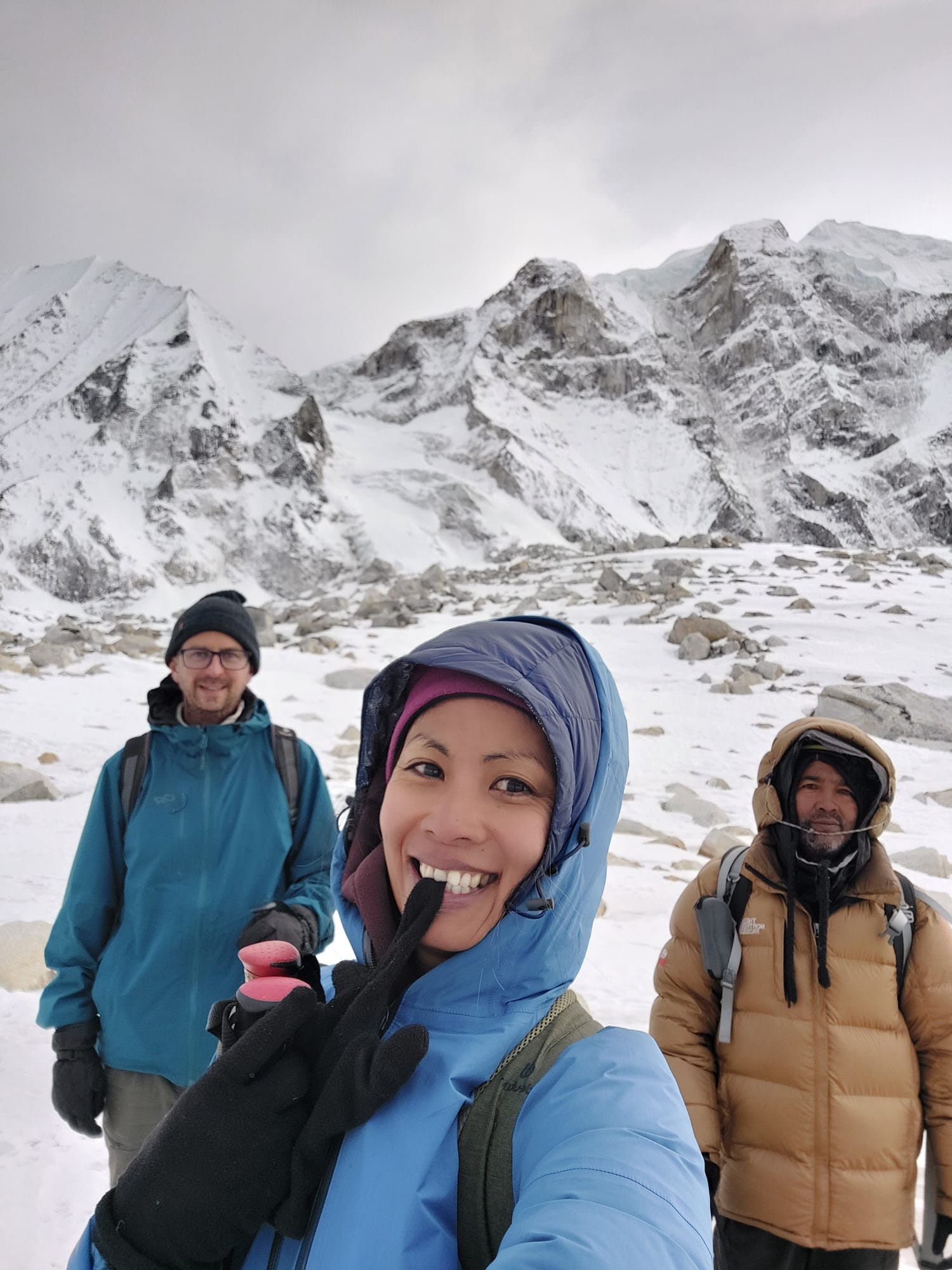
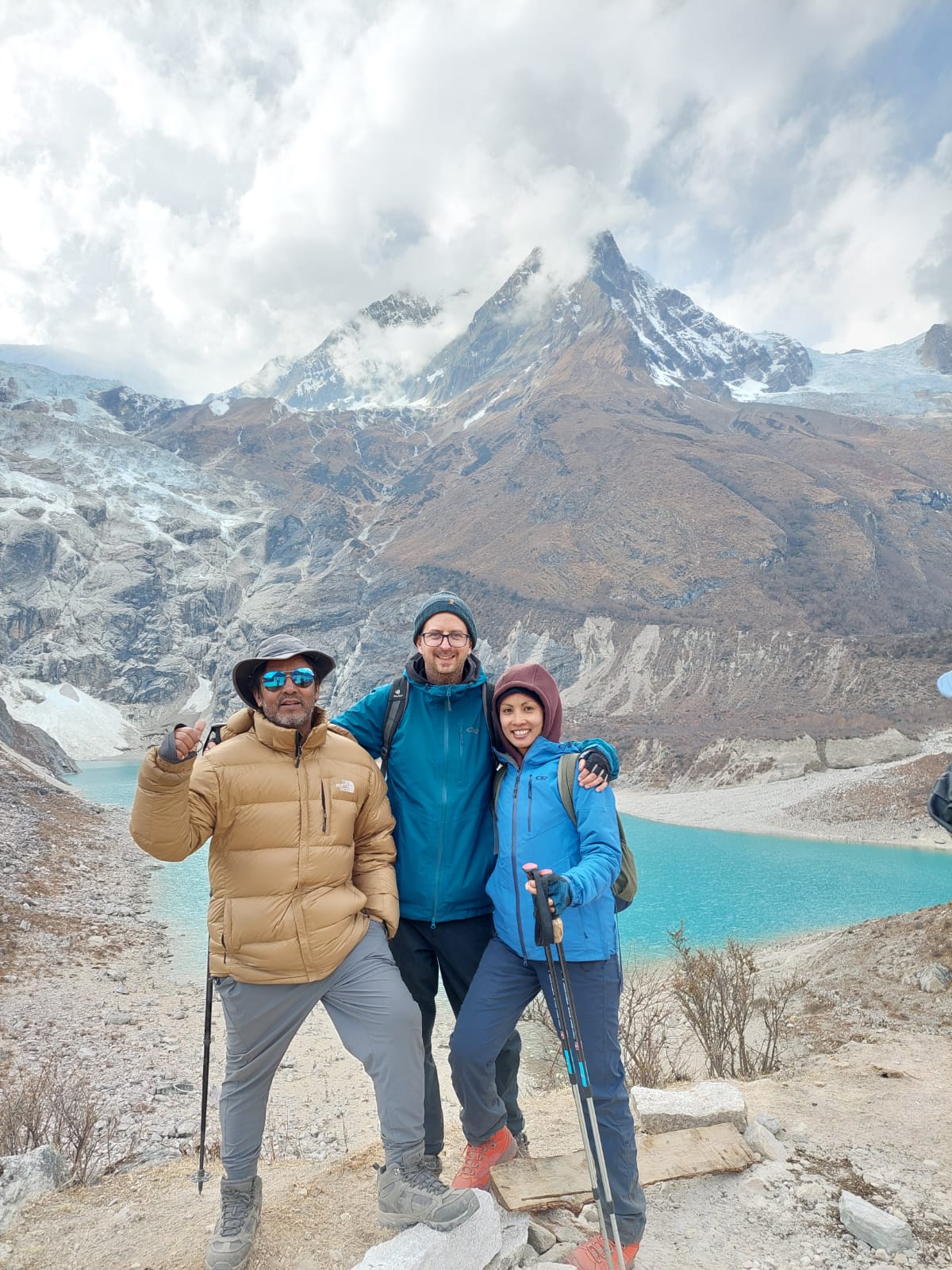
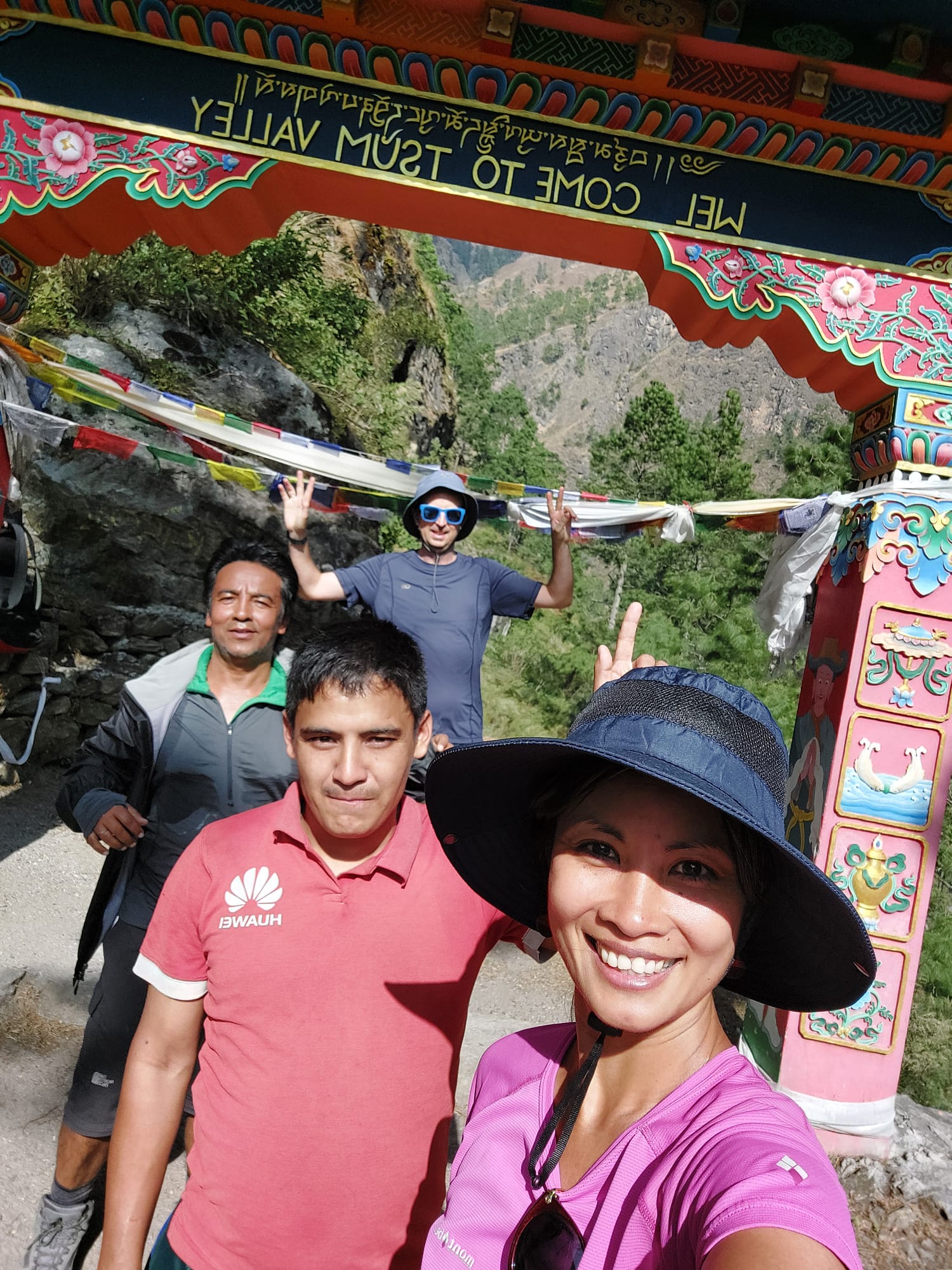
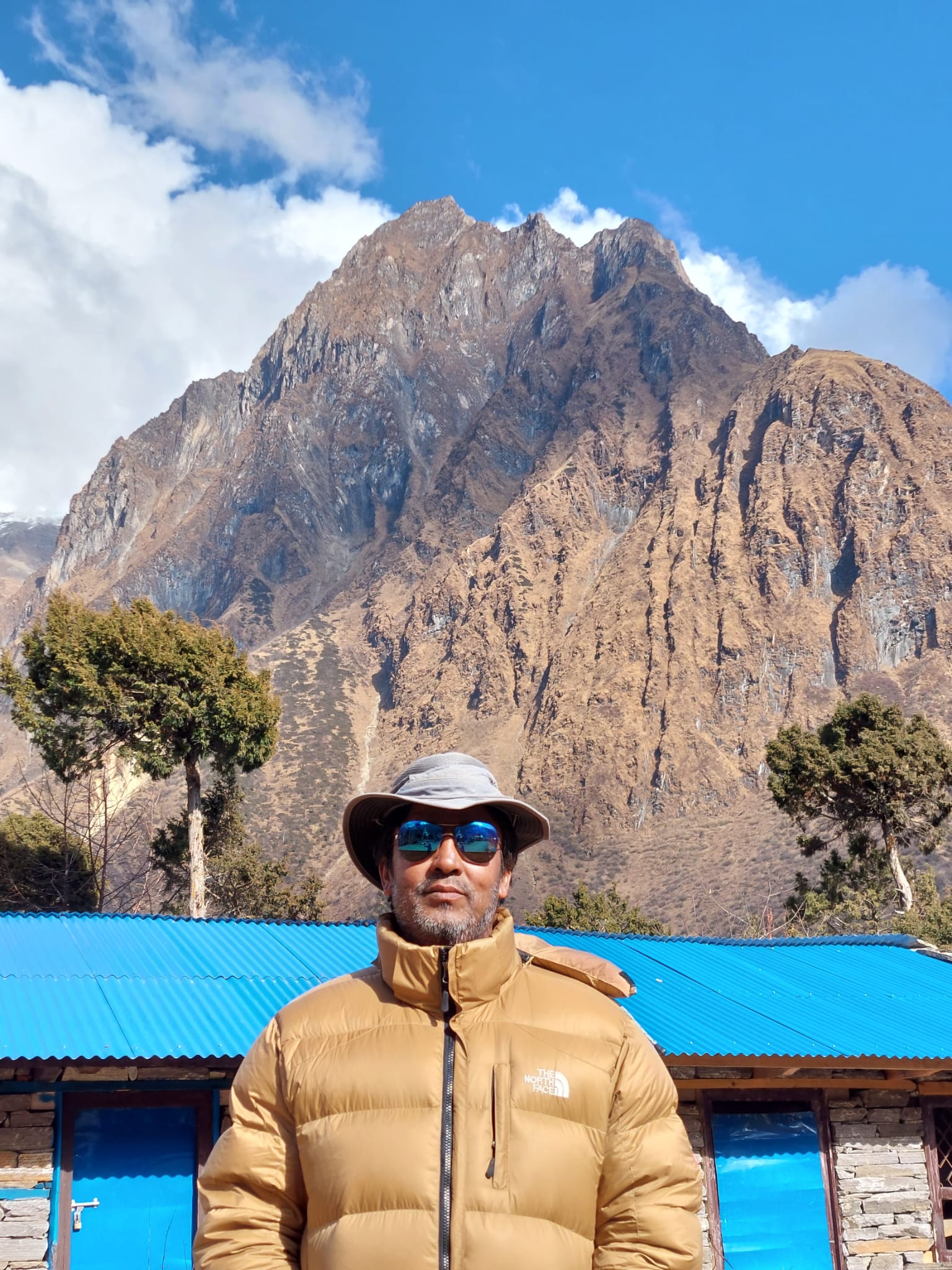
Tsum Valley Trek FAQS
Expand AllTsum Valley Trek is a journey to a hidden valley in northern Nepal. It combines nature, culture, and peaceful villages.
The trek usually takes 16 days, including arrival and departure from Kathmandu.
Yes, Tsum Valley is a restricted area, so you need special permits to enter and trek.
The highest point is Mu Gompa, which is 3700 meters above sea level.
It is moderately challenging with some steep sections, but suitable for people with good fitness and walking experience.
The best seasons are spring (March–May) and autumn (September–November) when the weather is clear.
Teahouses and small lodges in villages provide simple rooms, meals, and resting space.
Yes, teahouses serve local meals, rice, noodles, and simple vegetables.
A guide is recommended to help with navigation, local culture, and safety.
Yes, porters are available to carry your heavy bags, so you can walk more comfortably.
Yes, it is generally safe, but proper acclimatization, good footwear, and caution on trails are important.
Warm clothes, trekking shoes, a rain jacket, water, snacks, and basic first-aid items are recommended.
Mobile network is limited, so do not rely on it for regular communication.
Yes, if they are healthy and physically prepared for moderate trekking.
You will see mountains, forests, rivers, waterfalls, monasteries, prayer flags, and friendly local villages.
Reviews

Annapurna Circuit Trek
Very good
Everest Gokyo Trek
This was a wonderful, educational tour where we learned a lot and had a very fulfilling time from start to finish.
Everest Gokyo Trek an excellent tour of Nepal
Excellent! Bishnu was an excellent guide on our trip. Knowledgeable, kind and answered all of our questions. Thank you for an excellent tour of Nepal!
Annapurna Panorama Trek
Vishnu has been a very insightful guide, taking me and my partner to beautiful places that we couldn't even imagine to see. The views from the mountains left us breathless and we highly recommend Altitude Trek Nepal Pvt. Ltd company for mountain and city hiking and sightseeing.
Annapurna Base Camp Trek
Vishnu was an amazing guide. Altitude Trek Nepal made the whole trip seamless - they booked our transport, accommodation and helped us to hire the gear we needed. Organising all this without local knowledge would have been difficult, but they made it so easy. The trip itself was amazing! I will never forget it. Thank you so much for everything.
Everest Base Camp Trek
Excellent.
Annapurna Circuit Trek
Altitude trek nepal pvt.ltd was a great help in planning my Annapurna circuit trek. When I came to Nepal I had no idea how to move forward with my plans, but these guys helped me and we're very friendly!
Annapurna Base Camp Trek
Good guide, always patience and helpful
Everest Base Camp Trek – Smooth, Safe, and Enjoyable Journey
The trek leader from Altitude trek Nepal - Mr Shivaji met us a Lukla airport right when we landed, guided us through our EBC trek and made sure we got back on our flight out of Lukla safely. His experience and guidance was essential to the success of our trek. He was easy to communicate with in Hindi and English. He understood our needs and made adjustments based on our conditions. Would highly recommend him for a safe and enjoyable journey
Annapurna Region Trek – Excellent Organisation and Trusted Guiding.
Altitude Trek Nepal delivered an excellent trekking experience in the Annapurna region from start to finish. Everything was well organized, smooth, and thoughtfully planned, which let us focus fully on the mountains and the journey. The itinerary, pacing, and logistics were spot-on, and the team was consistently professional and friendly. A special thank-you to my guide, Vishnu Kumar, whom I’ve known for many years and trust completely. Vishnu’s experience, calm leadership, and attention to detail made every day feel safe, enjoyable, and stress-free. He always checked in on everyone, handled every small issue quickly, and shared great local insight along the way. I truly appreciate his dedication and warmth, and I can confidently recommend Altitude Trek Nepal to anyone planning an Annapurna trek, or any other trek in Nepal!
Add a Review
Speak To Expert