Tour Facts

Tour Duration:
14 Days

Country:
Nepal

Activity:
Trekking, Cultural Exploration

Region:
Everest

Accomodation:
Teahouse, Lodges, Guesthouse

Grade:
Moderate to Strenuous

Meals:
Breakfast, Lunch, Dinner ,Tea or Coffee

Best Season:
Spring (March - May) & Autumn (September - November)

Departure From :
Kathmandu
Everest Base Camp Trek Overview
The Everest Base Camp Trek is one of the most famous adventures in the world. Many people dream of standing close to Mount Everest, the tallest mountain on Earth, and this trek makes that dream come true. The journey takes you deep into the Himalayas, where you will walk through beautiful valleys, forests, and high mountain trails. Along the way, you will see breathtaking views of snowy peaks like Everest, Lhotse, Nuptse, and Ama Dablam.
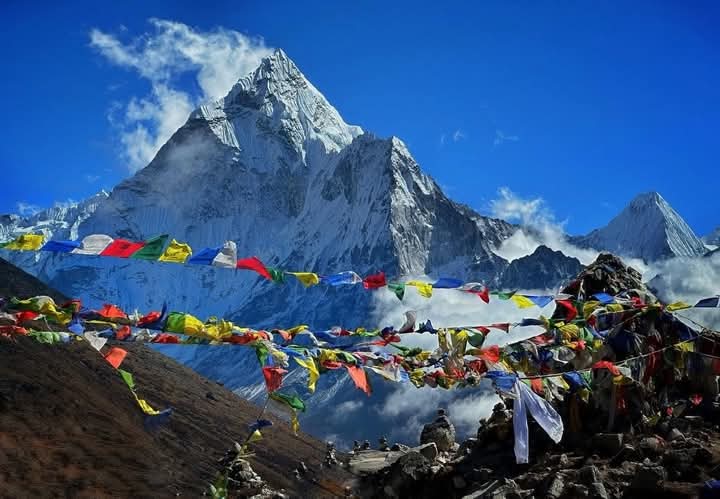
This trek is not just about mountains. It is also about the people and culture of the region. You will pass through Sherpa villages, where friendly locals welcome you with warm smiles. The Sherpa people are known for their bravery and kindness. You can explore their monasteries, see prayer flags flying in the wind, and feel the deep spiritual side of life in the Himalayas.
The trek usually starts with a short but exciting flight to Lukla, a small mountain town. From there, the trail slowly climbs higher, giving your body time to get used to the thin air. You will walk through famous places like Namche Bazaar, the busy mountain town where trekkers rest and shop, and Tengboche, known for its beautiful monastery and stunning mountain views. Each day brings new scenery, from green forests and rivers to rocky paths and icy landscapes.
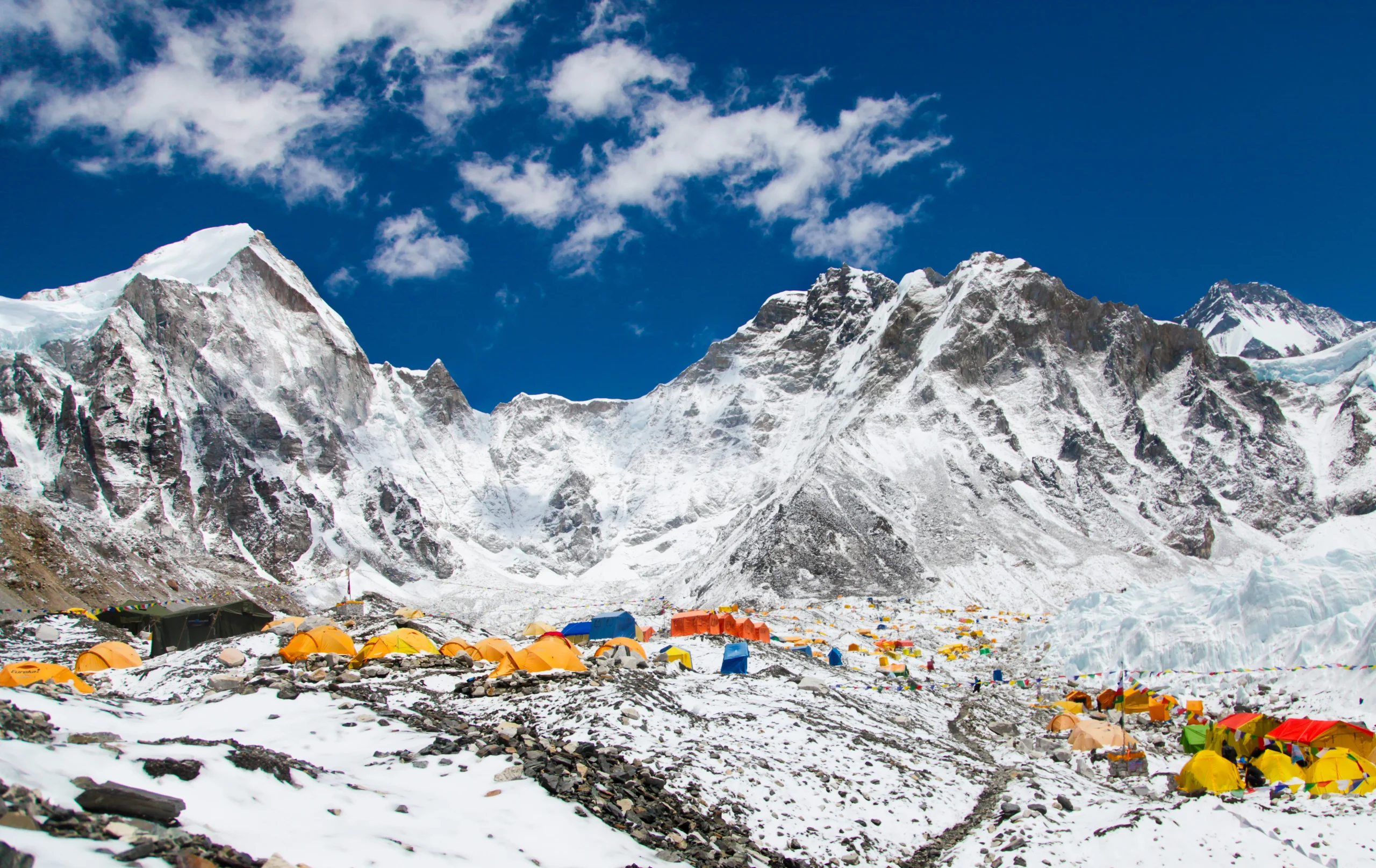
Reaching Everest Base Camp is a proud moment for every trekker. Standing there, you can see the mighty Khumbu Icefall and feel the power of the world’s highest peaks all around you. Though you cannot see the top of Everest from the base camp, the feeling of being there is truly special. For many, it is the highlight of their life’s adventures.
The trek is challenging because of the high altitude and long walking days, but it is possible for anyone with good fitness and determination. The journey is not a race; it is about enjoying each step, breathing the fresh mountain air, and taking in the beauty of the Himalayas.
The Everest Base Camp Trek is more than just a hike. It is a journey of discovery—of nature, culture, and your own strength. It leaves you with stories to tell and memories that will last forever.
Everest Base Camp Trek Highlight
- Standing at Everest Base Camp – Feel proud as you reach the foot of the tallest mountain in the world.
- Exciting flight to Lukla – Enjoy one of the most thrilling mountain flights as you land on a tiny airstrip surrounded by peaks.
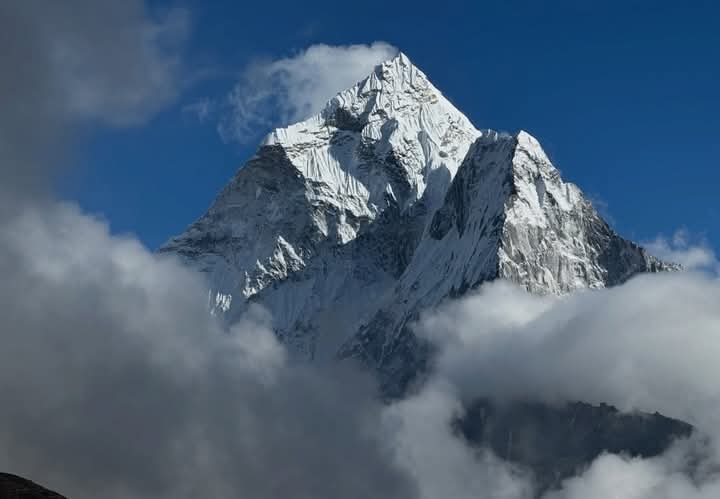
- Views of giant mountains – See amazing snow-covered peaks like Everest, Lhotse, Ama Dablam, and Nuptse up close.
- Sherpa culture – Meet the kind Sherpa people, learn about their traditions, and see colorful prayer flags and monasteries.
- Namche Bazaar – Explore the lively mountain town with shops, bakeries, and stunning views of the Himalayas.
- Tengboche Monastery – Visit the famous monastery with a beautiful backdrop of Ama Dablam and Everest.
- Crossing suspension bridges – Walk across high swinging bridges over rivers, decorated with prayer flags.
- Sagarmatha National Park – Trek through a UNESCO World Heritage Site filled with forests, rivers, and wildlife.
- Kala Patthar sunrise – Climb to this viewpoint for the best sunrise view of Mount Everest.
- A life-changing adventure – Feel stronger, braver, and happier after completing one of the world’s greatest treks.
Everest Base Camp Trek Itinerary
Expand AllYour adventure to Everest Base Camp begins as you land in Kathmandu, the busy capital of Nepal. At the airport, our team will warmly welcome you and take you to your hotel in the city. After some rest, you will have time to relax and get used to the new surroundings.
In the evening, we will invite you for a welcome dinner where you can taste delicious Nepali food and meet your guide and team members. This is a great chance to ask questions, learn about the trekking route, and get helpful tips to prepare for the journey ahead. Your guide will also give a short briefing about the trek, explaining the plan for each day and what to expect in the mountains.
This first day is meant to make you feel comfortable and ready. You will not be trekking yet, but you will already feel the excitement of being in Nepal, the gateway to the Himalayas. Spending the night in Kathmandu gives you time to rest before the real adventure begins the next morning.
On this day, there are two possible travel options depending on flight schedules.
The first option is to take an afternoon drive from Kathmandu to Manthali in Ramechhap, which takes about 5 to 6 hours and covers around 132 km. This road journey passes through hills, rivers, and small villages, giving you a glimpse of rural life in Nepal. You will stay overnight in Manthali, ready for your early morning flight to Lukla the next day.
The second option is a direct early morning flight from Kathmandu to Lukla. This short flight is only about 30 minutes, but it is one of the most exciting experiences as the plane lands at the famous mountain airport. From Lukla, your trek begins. You will walk around 8 km on an easy trail that slowly descends through small villages, green forests, and along the Dudh Koshi River. The trek takes about 3 to 4 hours, and you will reach Phakding, a peaceful village where you spend the night in a cozy tea house.
Both options set the stage for your Himalayan journey, whether by preparing in Manthali or beginning your first trek to Phakding.
Early in the morning, you will take a short but thrilling flight from Manthali to Lukla. The flight is about 20 minutes long and gives you your first close views of the Himalayas. Landing at Lukla is an unforgettable experience, as the small airstrip is surrounded by high peaks.
From Lukla, your trekking adventure begins. The trail today is gentle and mostly downhill, making it a good warm-up for the days ahead. You will walk around 8 km, which takes about 3 to 4 hours. Along the way, you will pass through small Sherpa villages, see colorful prayer flags, and hear the sound of the Dudh Koshi River flowing beside the trail. The path also crosses exciting suspension bridges, decorated with fluttering flags that add to the mountain atmosphere.
Your walk continues through pine forests and farmlands until you reach Phakding, a quiet village set along the riverside. This is where you will spend the night in a cozy tea house. The lower altitude of Phakding helps your body begin to adjust slowly to the mountain air. This first day of trekking is relaxed, letting you enjoy the scenery and prepare for the journey ahead.
Today’s trek is one of the most exciting parts of your journey as you head towards Namche Bazaar, the gateway to Everest. The trail is around 10 to 12 km and takes about 6 to 7 hours of walking.
The day begins with a gentle walk along the Dudh Koshi River, crossing suspension bridges that sway high above the rushing water. The sound of the river, the fresh mountain air, and the sight of colorful prayer flags make the walk very special. You will pass through small Sherpa villages like Monjo, where the entrance to Sagarmatha National Park is located. Here, your permits are checked before you continue further into the protected area.
The trail then becomes steeper, and this is where the real challenge of the day begins. The climb to Namche Bazaar is tough but rewarding. Along the way, if the weather is clear, you may get your first glimpse of Mount Everest. This moment fills trekkers with joy and motivation to continue the journey.
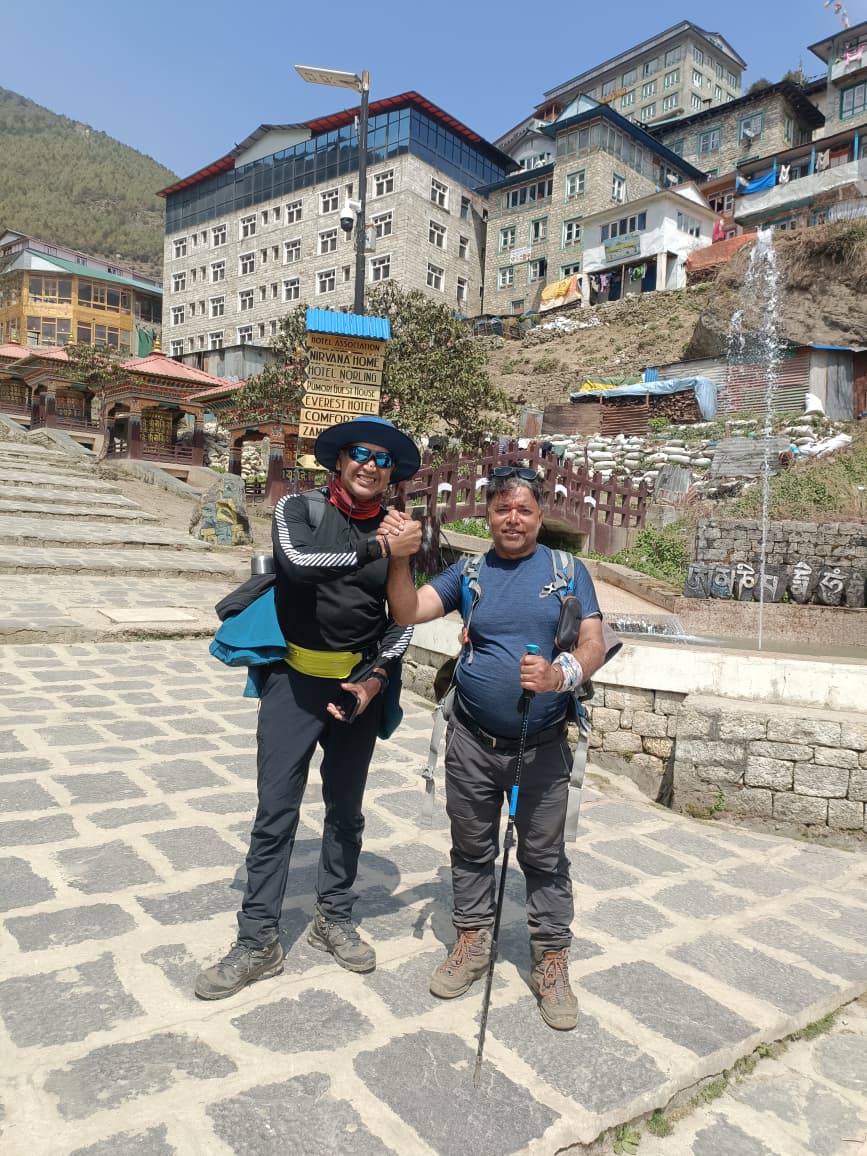
Finally, after the steady uphill walk, you will arrive at Namche Bazaar. This lively mountain town is filled with tea houses, shops, bakeries, and amazing views of the surrounding peaks. You will spend the night here, enjoying the energy of this famous Himalayan hub.
This day is set aside for acclimatization, which means giving your body time to adjust to the higher altitude. Instead of long trekking, you will enjoy light walks and explore the beauty of Namche Bazaar and nearby villages. Even though it is a rest day, you may still walk around 3 to 4 km on short hikes.
In the morning, you can hike up to the Everest View Hotel, one of the highest hotels in the world. The walk takes about two hours uphill, but the reward is worth it. From here, you get stunning views of Mount Everest, Ama Dablam, Lhotse, and other Himalayan giants. This short climb also helps your body adapt to the thin air.
You will also have the chance to visit the Sherpa Culture Museum or walk to nearby villages like Khumjung, where you can see a beautiful monastery and learn about local traditions. Exploring these villages gives you a close look at Sherpa life, their farming practices, and their spiritual connection with the mountains.
Back in Namche, you can relax in cozy tea houses, taste local food, or enjoy a warm drink in small bakeries. The night will be spent in Namche, preparing for higher trails ahead.
Today, you continue your trek from Namche Bazaar to Tengboche, walking around 9 km in about 5 to 6 hours. The trail gradually climbs through pine and rhododendron forests, with views of mountains and deep valleys along the way.
After leaving Namche, the path descends slightly toward the Dudh Koshi River and then starts a steady climb. You will pass through small Sherpa villages where you can see local homes, prayer flags, and mani walls. These villages give a glimpse into traditional mountain life.
As you approach Tengboche, you will see the famous Tengboche Monastery perched on a hill. This is the largest monastery in the Khumbu region and has a peaceful atmosphere. The monastery is surrounded by fields and offers stunning views of Ama Dablam, Everest, Lhotse, and other Himalayan peaks. It is a good place to rest, take photos, and enjoy the spiritual energy of the region.
The day is moderately challenging but rewarding because of the views and cultural experiences. You will stay overnight in Tengboche in a cozy tea house, enjoying the calmness of the mountains and preparing for the trek to Dingboche the next day.
Today, your trek takes you from Tengboche to Dingboche, covering around 11 km in about 5 to 6 hours. The trail continues through pine and rhododendron forests, and the views of mountains become even more impressive as you climb higher into the Khumbu region.
After leaving Tengboche, the path gradually descends toward the Imja Khola River and then begins a steady uphill climb. Along the way, you will pass small villages with stone houses and prayer flags fluttering in the wind. These villages show the daily life of Sherpa people and their connection to the mountains.
As you approach Dingboche, the landscape changes from forests to open valleys and rocky paths. You can see large mountains like Ama Dablam, Lhotse, and Island Peak surrounding the area. Dingboche is a peaceful village, and it is one of the best places to rest and prepare your body for higher altitudes.
The village is known for its beautiful surroundings and traditional stone houses. You will stay overnight in a cozy tea house, enjoying the calm atmosphere and fresh mountain air. This day helps your body adjust to higher altitude, which is important for the next challenging part of your trek.
Today is a rest and acclimatization day in Dingboche. Staying at this altitude helps your body adjust to the thinner air and prepares you for the higher sections of the trek. Even though it is a rest day, you can take short walks of about 3 to 4 km to explore the village and nearby areas.
In the morning, you can hike gently to a small ridge or nearby hill to enjoy beautiful views of Ama Dablam, Lhotse, and other Himalayan peaks. This short climb is perfect for helping your body adapt to the altitude while giving you unforgettable mountain scenery.
During the day, you can walk around Dingboche village and see traditional stone houses, prayer flags, and mani walls. The local people are friendly and you may learn about their farming and daily life in the high mountains.
Spending time in Dingboche also allows you to relax, enjoy warm meals, and rest before the more challenging trekking days ahead. In the evening, you can watch the sun set behind the mountains and feel the peaceful atmosphere of the Khumbu region. The night is spent in a cozy tea house, preparing for the next day’s journey toward Lobuche.
Today, your trek continues from Dingboche to Lobuche, covering around 8 km in about 5 to 6 hours. The trail gradually climbs through rocky paths and open valleys, giving you stunning views of mountains like Ama Dablam, Lhotse, and Nuptse.
After leaving Dingboche, the path follows the lateral moraine of the Khumbu Glacier. You will pass small memorials for climbers who attempted Everest, reminding you of the strength and courage needed in these mountains. The trail is mostly uphill but not very steep, allowing you to walk steadily while enjoying the scenery.
Along the way, you will see small settlements and tea houses where trekkers rest. The higher altitude makes the air thinner, so walking slowly and taking breaks is important. You may also see yak herders and their animals grazing in the open valleys.
Arriving in Lobuche, you will find a quiet village with cozy tea houses where you can rest and prepare for the final part of the trek. The surrounding peaks create a dramatic backdrop, and the calm atmosphere helps you relax before heading higher. Spending the night here allows your body to adjust and gives you energy for the journey toward Everest Base Camp.
Today is one of the most important days of the trek as you move from Lobuche to Gorakshep and then to Everest Base Camp. You will first walk about 7 km from Lobuche to Gorakshep, which takes around 3 to 4 hours. The trail is mostly flat but surrounded by rocky terrain and glaciers, with breathtaking views of Everest, Lhotse, and Nuptse.
After reaching Gorakshep, you will have lunch and rest briefly before continuing to Everest Base Camp. The trek from Gorakshep to the base camp is around 5 km and takes about 3 hours. The trail crosses moraine and ice paths, giving a close view of the Khumbu Glacier. As you walk, you can see climbers’ memorials and tents of expeditions preparing to climb Everest.
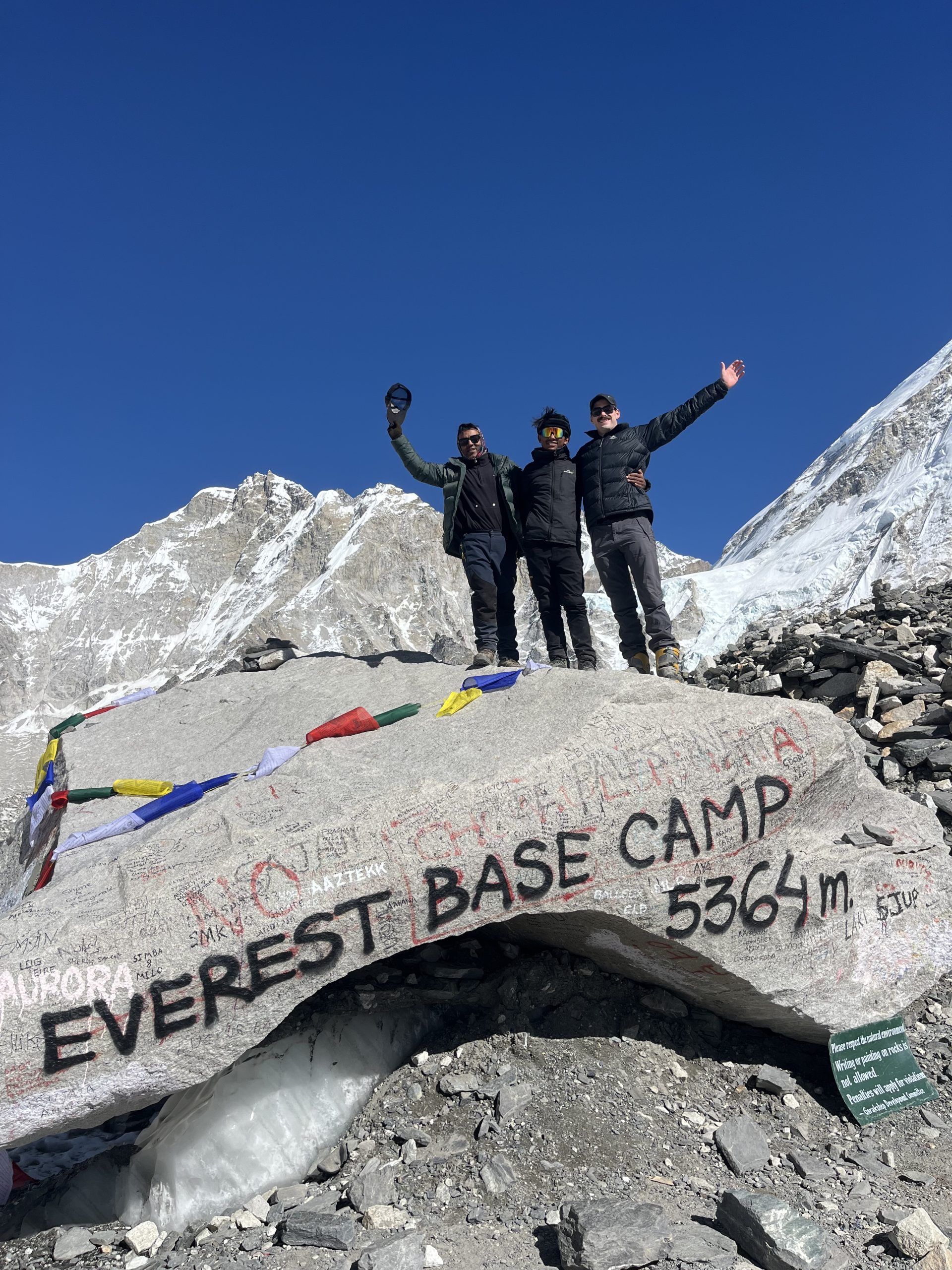
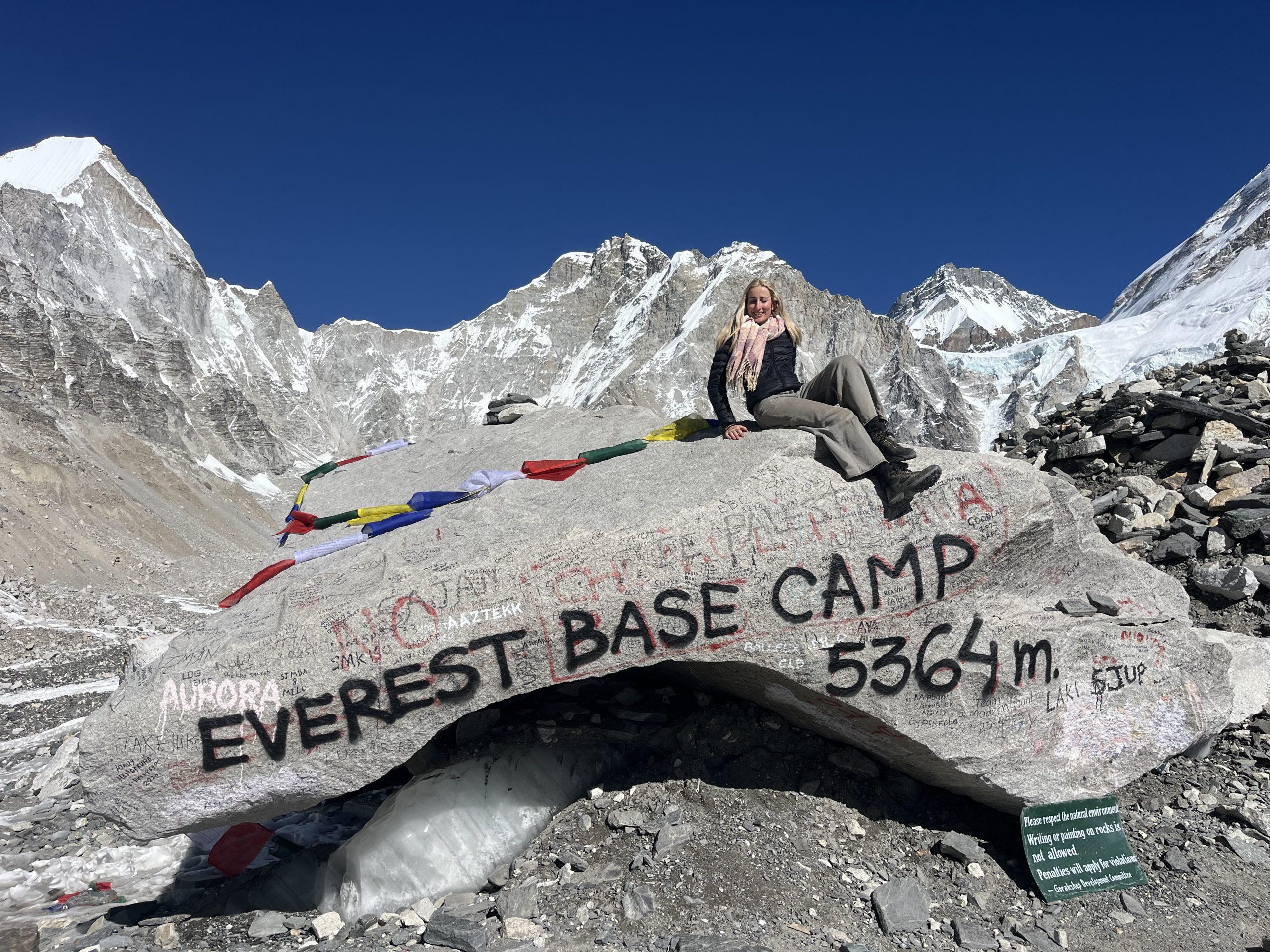
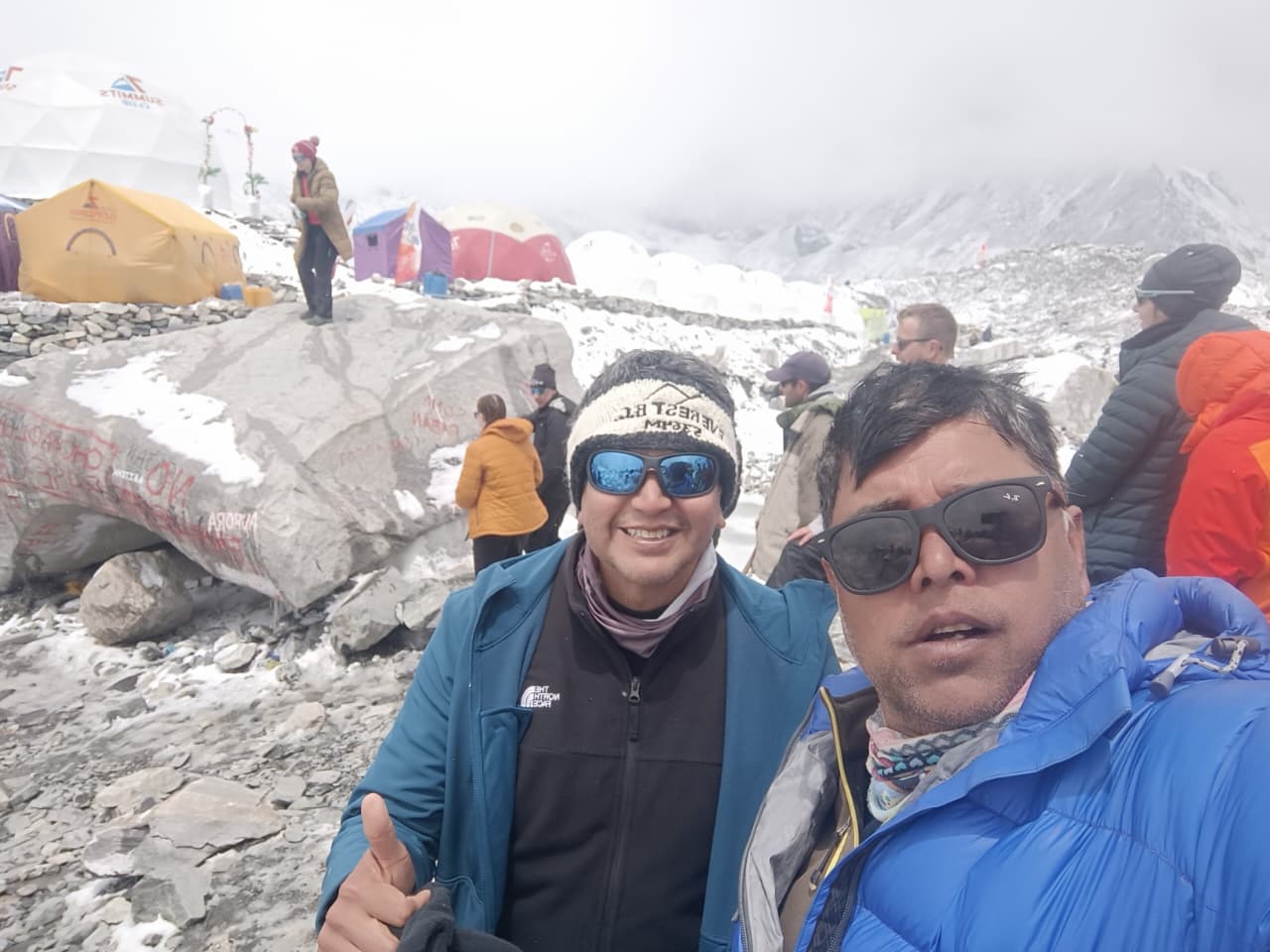
Reaching Everest Base Camp at 5,364 meters is a proud and emotional moment. Standing here, you feel the power of the world’s highest mountain and the spirit of adventure. After taking photos and enjoying the views, you will return to Gorakshep for an overnight stay in a cozy tea house. This day is challenging but very rewarding, leaving memories that will last a lifetime.
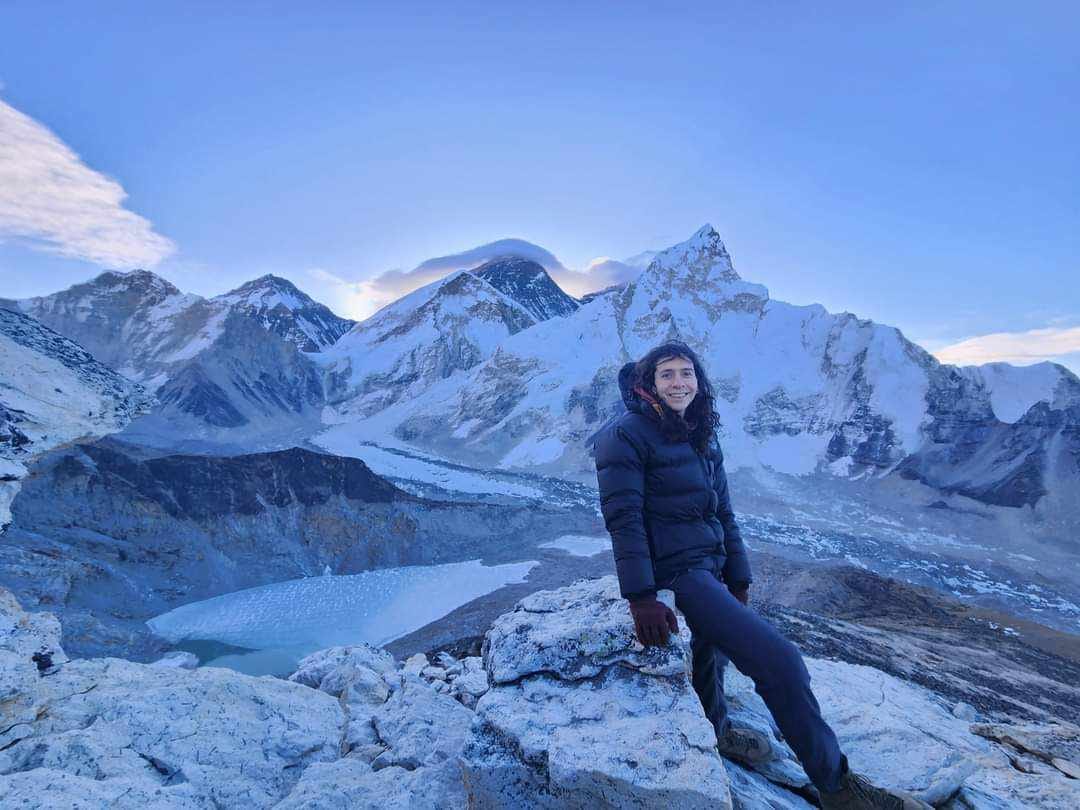
This morning, you will wake up early to trek from Gorakshep to Kala Patthar, a short climb of around 3 km that takes about 1.5 to 2 hours. The trail is steep but manageable, and it offers the best panoramic views of Mount Everest, Lhotse, Nuptse, and other surrounding peaks. Watching the sunrise from Kala Patthar is a special experience as the first light touches the highest mountains in the world.
After enjoying the view and taking photographs, you will return to Gorakshep for breakfast and pack your things. Then you will start trekking down to Pheriche, covering about 12 km in 5 to 6 hours. The path descends gradually through rocky valleys and past small settlements, with views of the Khumbu Glacier and surrounding peaks along the way.
Trekking to Pheriche is easier than the previous days, but walking steadily is important to help your body adjust after high altitudes. Pheriche is a peaceful village with tea houses and traditional stone houses, providing a comfortable place to rest. Spending the night here allows you to relax, enjoy warm meals, and reflect on the incredible journey you have completed so far.
Today, you begin the descent from Pheriche to Namche Bazaar, covering around 17 km in about 6 to 7 hours. Walking downhill is easier on your legs than climbing, but you need to go slowly and carefully to protect your knees and ankles.
The trail passes through small villages, pine forests, and open valleys. You will cross suspension bridges over the Dudh Koshi River and see prayer flags fluttering in the mountain breeze. Walking through these villages gives a close look at the daily life of Sherpa people, their stone houses, and their farming traditions.
As you descend, the air becomes warmer and easier to breathe, making the journey more comfortable. The surrounding peaks, including Ama Dablam and Lhotse, remain visible and create stunning views along the trail.
Arriving in Namche Bazaar, you will be welcomed by the lively atmosphere of the mountain town. Tea houses, small shops, and bakeries provide a place to rest, enjoy warm food, and reflect on the trek so far. Spending the night here allows your body to recover and enjoy the last part of the journey back to Lukla. The experience of walking through these mountains and villages leaves lasting memories of the Himalayas and local culture.
Today, you complete the final leg of your trek from Namche Bazaar to Lukla, covering around 20 km in about 6 to 7 hours. The trail mostly descends through forests, rivers, and small villages, making the walk easier than the uphill days.
The path passes through familiar Sherpa villages such as Phakding, where you can see local life and farming practices. Crossing suspension bridges over the Dudh Koshi River gives a final view of the rushing waters and prayer flags along the trail. The journey downhill allows you to enjoy the mountains and scenery at a relaxed pace.
As you approach Lukla, the small airport town appears with its colorful buildings and tea houses. Walking through the town, you can feel the sense of accomplishment after completing one of the most famous treks in the world. The surrounding peaks like Nuptse and Ama Dablam remain visible, reminding you of the incredible journey you have just completed.
Arriving in Lukla, you will rest in a cozy tea house, enjoy a warm meal, and reflect on the experience. The day marks the end of your trekking adventure, filled with memories of mountains, Sherpa culture, and the spirit of the Himalayas.
On the final day of your Everest Base Camp Trek, you take a short flight from Lukla back to Kathmandu. The flight takes about 30 minutes and offers amazing aerial views of the Himalayas, including peaks, valleys, and glaciers you have walked past during your trek.
After landing in Kathmandu, you will be transferred to your hotel. The rest of the day is free for relaxing and resting after the long trekking adventure. You can use this time to explore nearby streets, visit local markets, or simply enjoy the comfort of your hotel.
In the evening, you will have a farewell dinner with your trekking team. This is a chance to share memories, talk about the journey, and celebrate completing one of the most famous treks in the world.
Flying from Lukla to Kathmandu marks the end of your trekking journey. The experience of walking through high mountains, crossing rivers, visiting Sherpa villages, and reaching Everest Base Camp will remain in your memory. Spending the night in Kathmandu allows you to rest before your onward travel and reflects on the incredible adventure you have completed in the Himalayas.
Note : This is a basic itinerary and can be adjusted according to your schedule and preferences. We offer full board service, guide-only service, porter-only service, or fully customized packages. Please contact us via email or WhatsApp to discuss your needs.
Everest Base Camp Trek Includes/Exclude
Cost Include
- Airport arrival and departure by Private vehicle.
- Accommodationat a 3 star Standard category hotel in kathmandu for two nights.
- Welcome and farewell dinner.
- Daily breakfast at kathmandu.
- All ground transfers as per Itinerary.
- Both way domestic flight ticket. (Katmandu-Lukla-Kathmandu)
- English speaking trekking guide and required number of poters as per group size.
- Twin/Double sharing guest house/Tea house accommodation during the trek as per the itinerary given.
- Sagarmatha National Park permit.
- Pasang Lhamu Rural Municipality entrance ticket.
- Meals-Breakfast, Lunch, Dinner and also one cup of tea/coffee everyday during the trek.
- Seasonal fresh fruit throughout the trek.
- First-aid medical kit with an oximeter to check your pulse and oxygen level while on the trek.
- Wages, Medical, Travel Insurance, Salary, Meals, Accommodation equipment for guide, supportive crew and all applicable taxes.
Cost Exclude
- Nepal visa fee (Can be obtain upon Arrival at airport/boarder).
- International airfare and taxes (To/From) kathmandu.
- Meals, Lunch and Dinner in kathmandu.
- Your travel Insurance.
- Any kind of Beverages.
- Personal expenses and extra trip/services which are not included in the services.
- Personal trekking Clothing/Gears.
- Tipping/Gratitudes.
- Expenses that are caused by unforeseen circumstances such as bad weather, national disasters, political issues, personal illness etc.
- Any other expenses that are not mentioned in the include section.
- Your high altitude emergency travel insurance.
- All the bar bills and personal expenses (Phone call, Laundry services, WiFi, Battery recharge, a bottle of water, Hot water, Desert and Shower).
- Tips for Guide and Porter.
Everest Base Camp Trek Gallery/Video
Everest Base Camp Trek FAQS
Expand AllThe trek is moderate to challenging. You need good fitness because you walk long hours and climb to high altitudes, but it is possible for most healthy people with preparation.
The best time is in spring (March to May) or autumn (September to November). The weather is clear, and mountain views are amazing during these months.
This package is 14 days, including travel to and from Kathmandu, flights, trekking days, and rest or acclimatization days.
You do not need previous trekking experience, but walking regularly and staying active before the trek will help your body handle long walking days.
You will stay in cozy tea houses along the trail and in comfortable hotels in Kathmandu. Tea houses provide basic facilities, warm meals, and rest.
Breakfast is included in hotels and tea houses. Other meals are mostly available at tea houses and can be arranged as part of the package.
Yes, altitude sickness can happen. We include acclimatization days and you should drink plenty of water, walk slowly, and follow guide advice.
Yes, a professional guide is included. Guides know the trail, help with permits, and make the trek safe and enjoyable.
Bring warm clothes, trekking boots, gloves, hat, sunglasses, and personal items. We provide a full packing list before the trek.
Most trekkers fly from Kathmandu to Lukla and then walk along the trail through Sherpa villages and mountain valleys until reaching Everest Base Camp.
Reviews

Everest Base Camp Trek
Excellent.
Everest Base Camp Trek – Smooth, Safe, and Enjoyable Journey
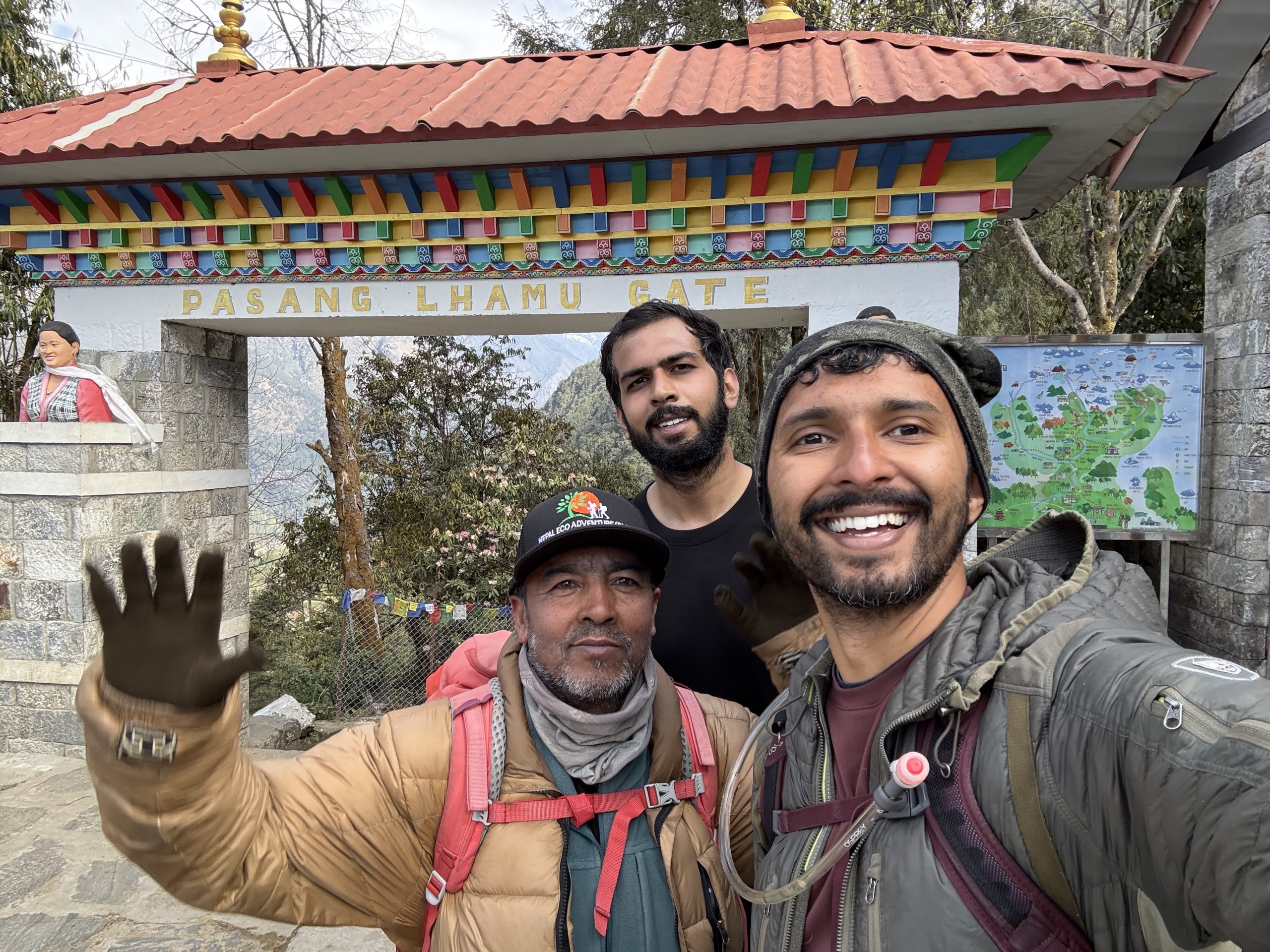
The trek leader from Altitude trek Nepal - Mr Shivaji met us a Lukla airport right when we landed, guided us through our EBC trek and made sure we got back on our flight out of Lukla safely. His experience and guidance was essential to the success of our trek. He was easy to communicate with in Hindi and English. He understood our needs and made adjustments based on our conditions. Would highly recommend him for a safe and enjoyable journey
Everest Base Camp Trek – The Best Trekking Experience for Students
I had an absolutely incredible Everest Base Camp trek with Altitude Trek Nepal and I could not recommend them highly enough. From the very beginning everything was well organised clear and stress free which made the whole experience even more enjoyable. A huge thank you to Shiva who was an outstanding guide throughout the trek. His knowledge of the region culture and mountains was excellent and he always made sure everyone was safe comfortable and enjoying the journey. We chose to buy our own meals but Shiva organised everything else seamlessly and always gave us great recommendations along the way. As students we really appreciated the value for money and how flexible and understanding the team was in tailoring the trip to our budget without compromising the experience. Reaching Everest Base Camp was an unforgettable moment and it was made even more special by the encouragement and care from Shiva and the crew. This trek exceeded all my expectations and I would absolutely choose Altitude Trek Nepal again for any future adventures in Nepal. Thank you for such a memorable experience
Everest Base Camp Trek – A Smooth and Enjoyable Off-Season Adventure
I was part of the Everest Base Camp trek and had an absolutely amazing time. The team was incredibly supportive throughout the journey, spoke excellent English, and made the entire experience smooth, safe, and truly unforgettable. Our guide was extremely knowledgeable and always allowed me to walk at my own pace, which made the trek even more enjoyable. I went during the off-season in December, which meant fewer crowds and a much more personalised experience. I couldn’t have asked for a better trekking company and would highly recommend them to anyone considering this trek.
Add a Review
Speak To Expert