Tour Facts

Tour Duration:
19 Days

Country:
Nepal

Activity:
Trekking

Region:
Everest

Accomodation:
Teahouse, Lodges, Guesthouse

Grade:
Moderate to Strenuous

Meals:
Breakfast, Lunch, Dinner ,Tea or Coffee

Best Season:
Spring (March - May) & Autumn (September - November)

Departure From :
Kathmandu
Everest Gokyo Trek Overview
The Everest Gokyo Trek is one of the most beautiful journeys in Nepal’s Himalayas. It takes you to the Gokyo Valley, which is famous for its blue-green lakes, quiet landscapes, and stunning views of the world’s highest mountains. This trek is perfect for people who want something a little different from the busy Everest Base Camp trail but still want to enjoy the beauty of the Everest region.
The trek usually starts with a short and exciting flight to Lukla. From there, the path takes you through small Sherpa villages, green forests, and suspension bridges that cross over fast rivers. Along the way, you will see Buddhist prayer wheels, colorful flags, and monasteries that show the strong culture and traditions of the Sherpa people. Their warm smiles and hospitality make the journey even more special.
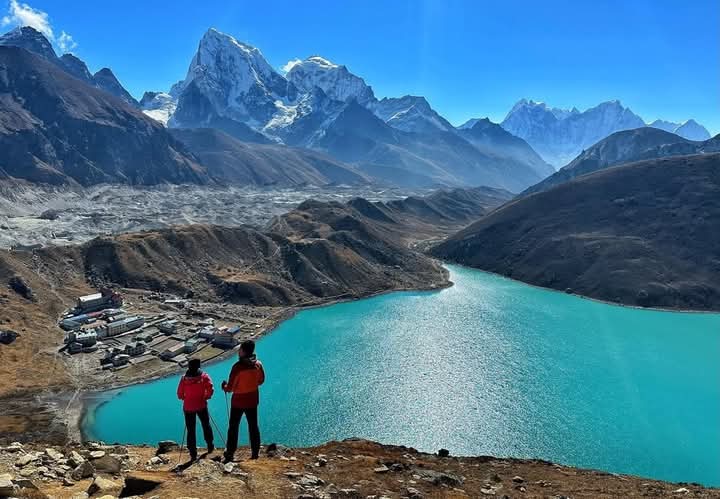
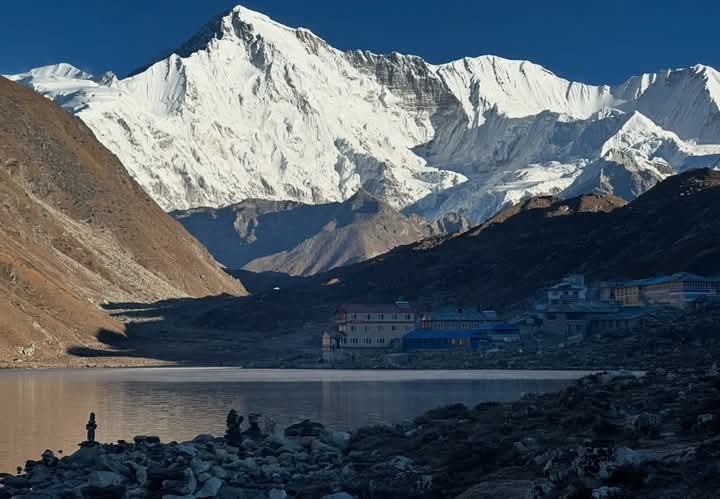
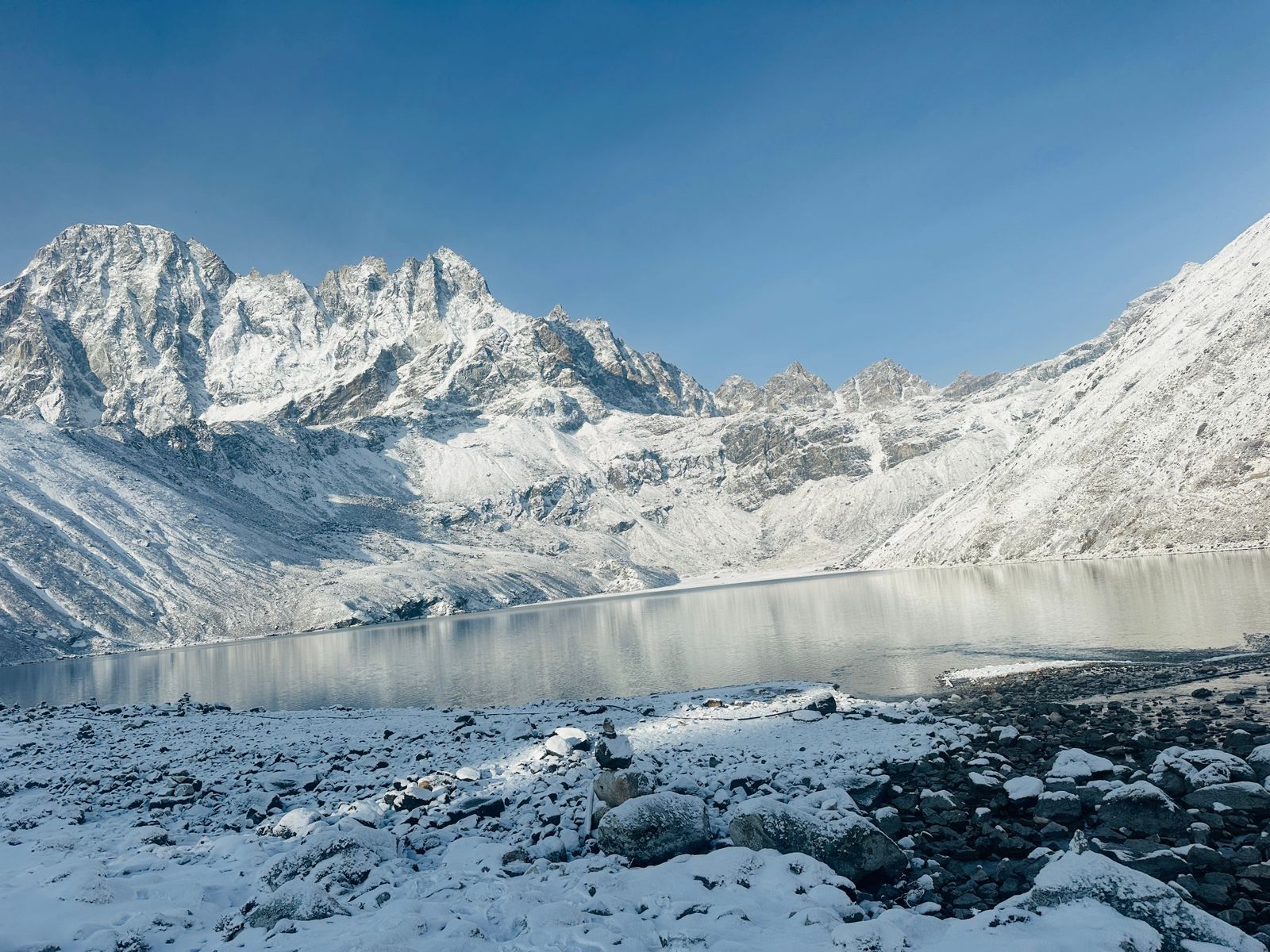
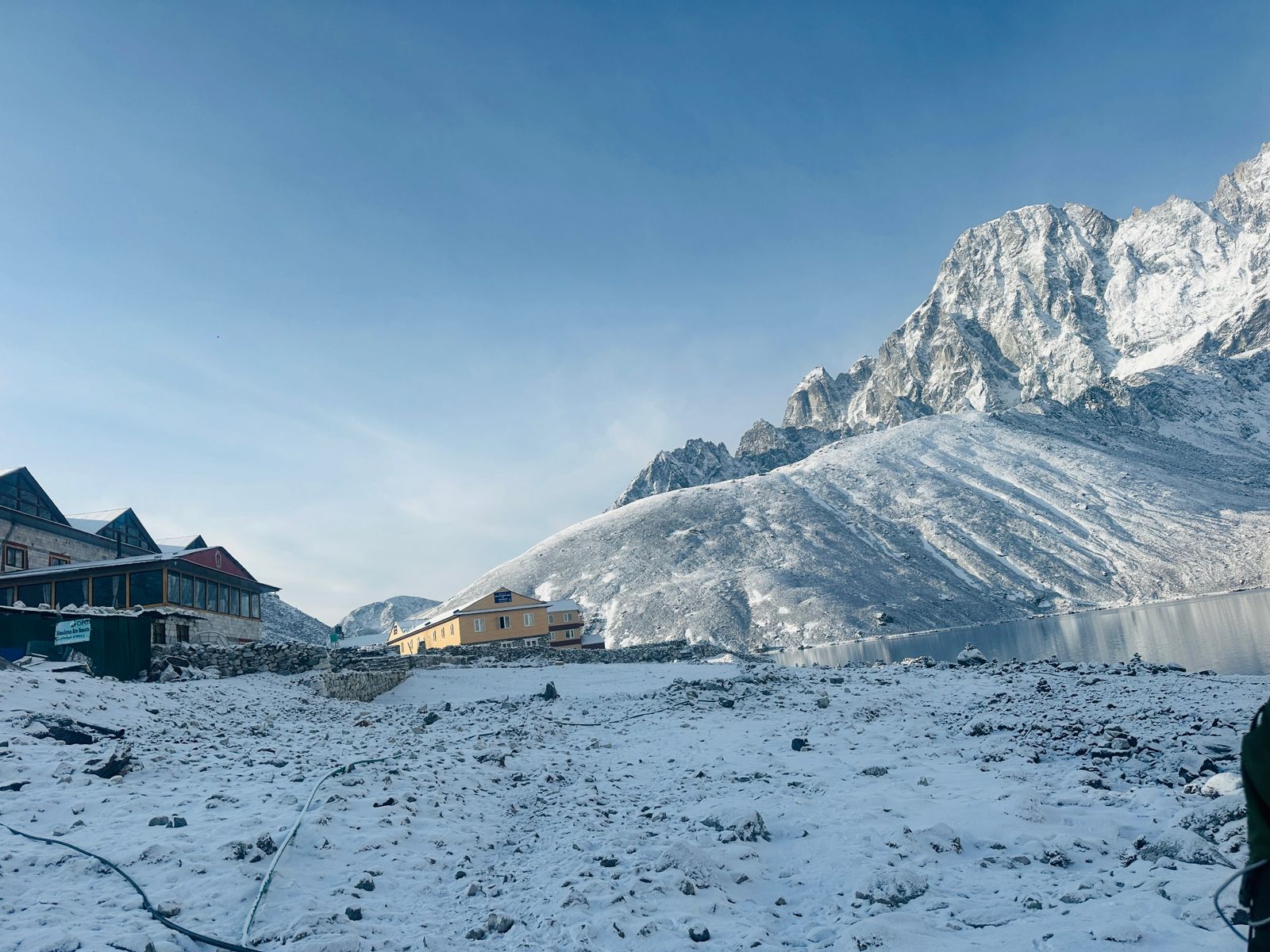
As you walk higher, you will notice the scenery changing. The forests slowly turn into rocky paths, and snowy peaks begin to surround you. The main attraction of this trek is the chain of Gokyo Lakes. These lakes are very calm and shine like mirrors under the sun. Among them, Gokyo Lake is the most famous and is believed to be holy. Many trekkers find this place peaceful and magical.
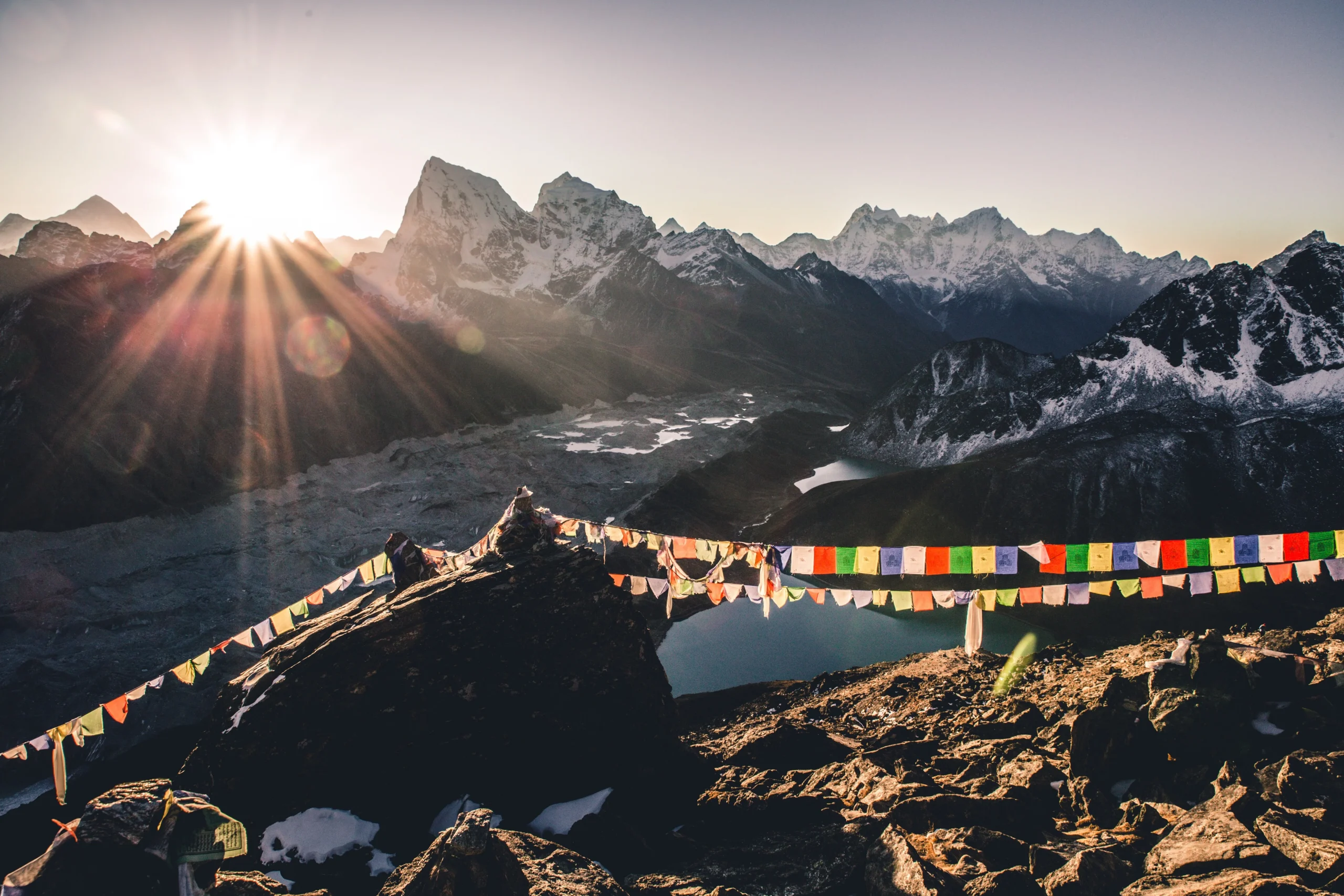
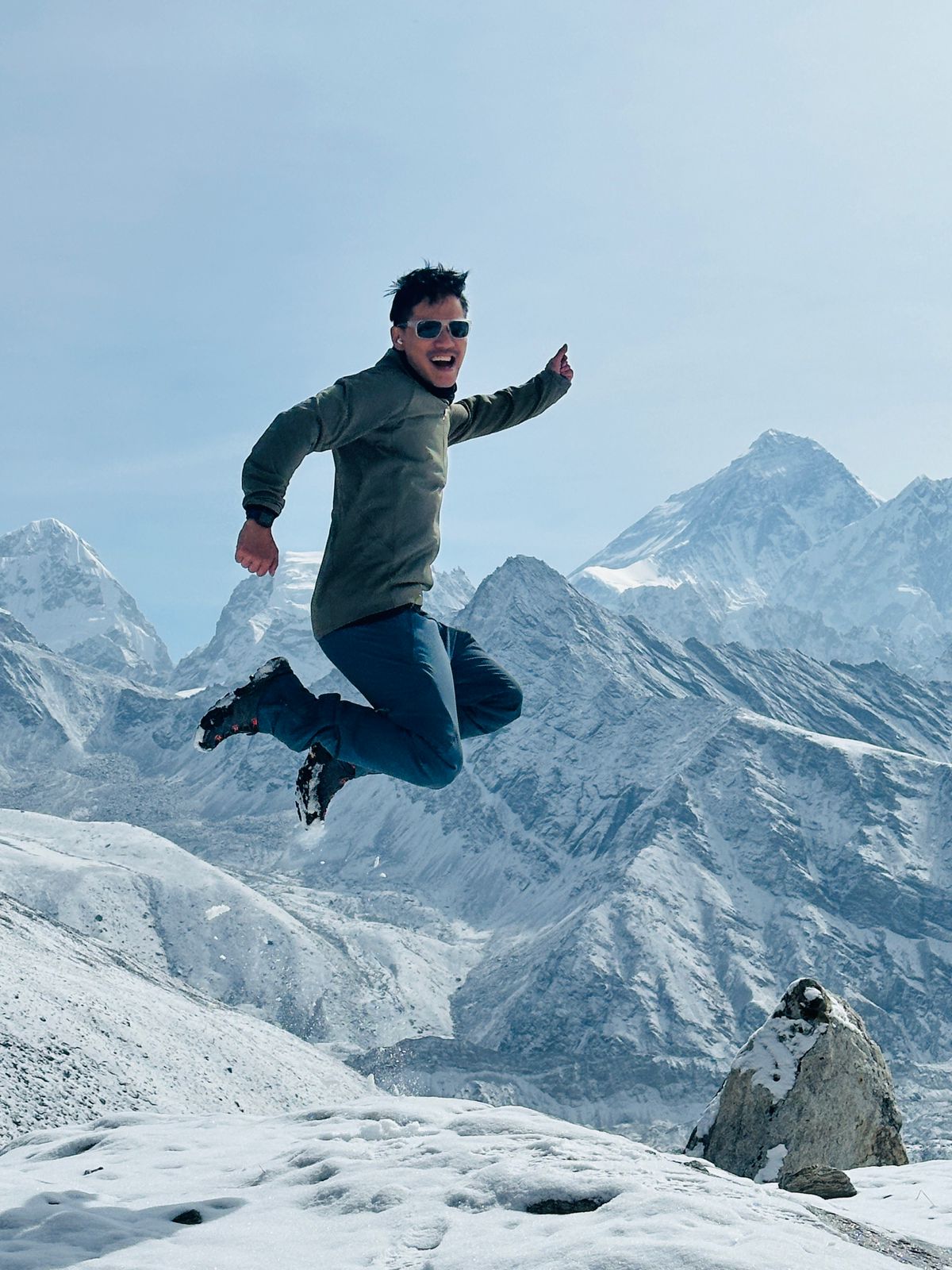
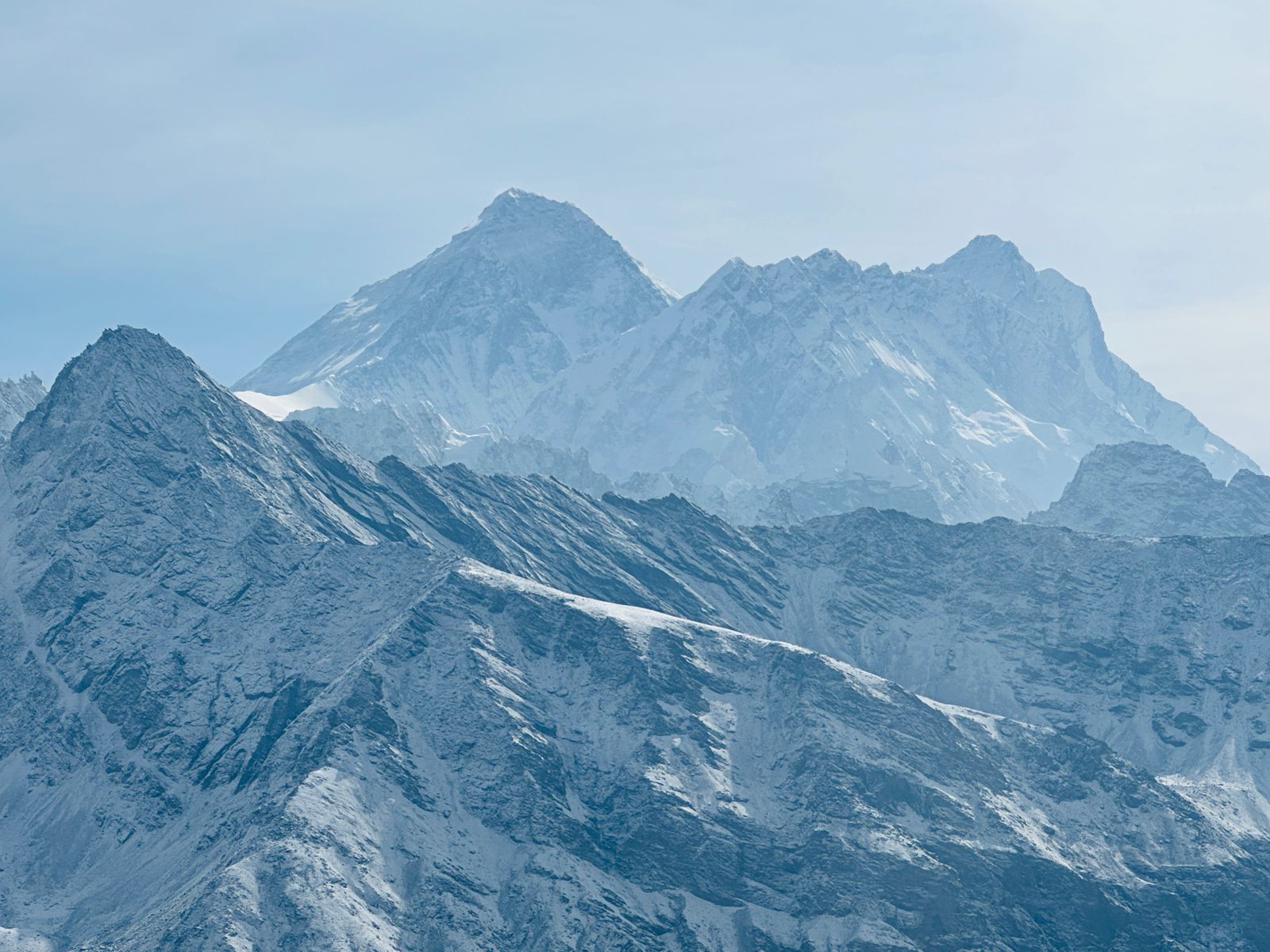
Another highlight is climbing Gokyo Ri, a viewpoint that gives one of the best panoramas in the Everest region. From the top, you can see four of the world’s tallest mountains: Everest, Lhotse, Makalu, and Cho Oyu. Watching the sunrise or sunset from here is an experience you will never forget.
The trek is not only about mountains and lakes but also about culture and learning. You will get to meet local people, taste Sherpa food, and understand how they live in the high Himalayas. This makes the journey both adventurous and meaningful.
The Everest Gokyo Trek is a bit challenging because of the altitude, but it is safer and quieter compared to some other routes. With the right preparation and enough days to rest, most trekkers can enjoy it fully.
In the end, this trek is a wonderful mix of nature, culture, and adventure. It offers sparkling lakes, grand mountain views, and warm human connections, making it a perfect choice for anyone who dreams of exploring the Himalayas in a peaceful way.
Everest Gokyo Trek Highlight
- Gokyo Lakes – A group of beautiful blue-green lakes, with Gokyo Lake being the most famous and holy one.
- Gokyo Ri Viewpoint – A stunning viewpoint where you can see Everest, Lhotse, Makalu, and Cho Oyu all at once.
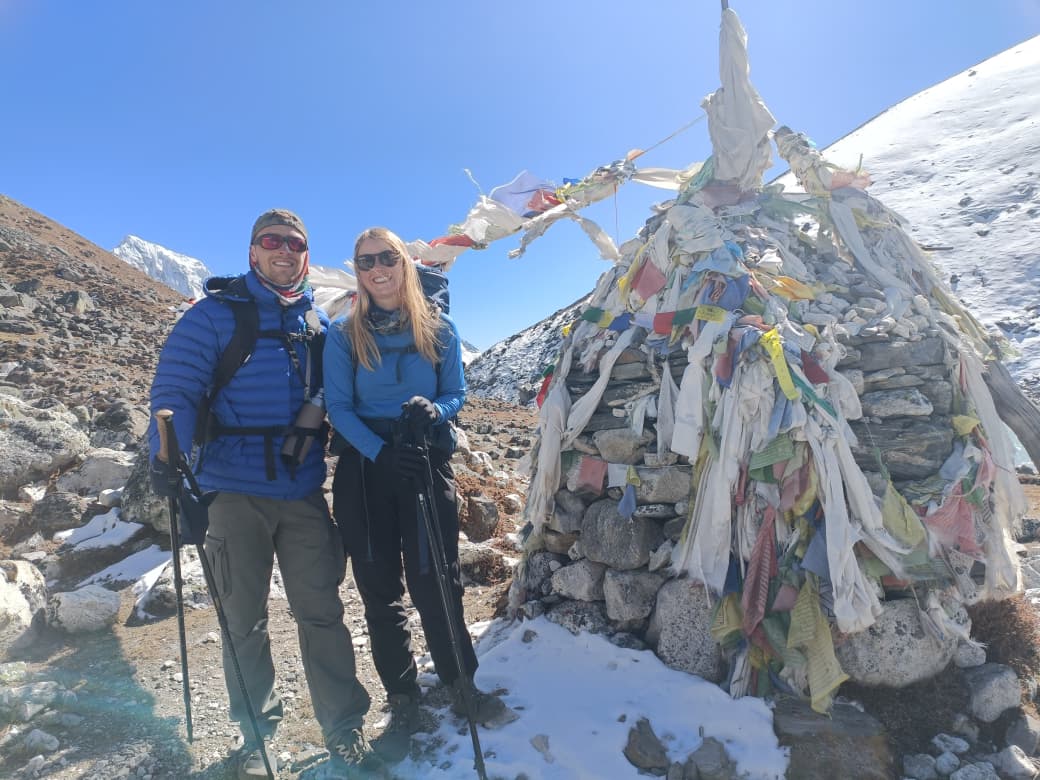
- Sherpa Culture – Experience the lifestyle, traditions, and warm hospitality of the Sherpa people in their villages.
- Scenic Flight to Lukla – A short and thrilling flight that opens the door to the Himalayas.
- Peaceful Trails – Less crowded than the Everest Base Camp route, offering more calm and quiet moments.
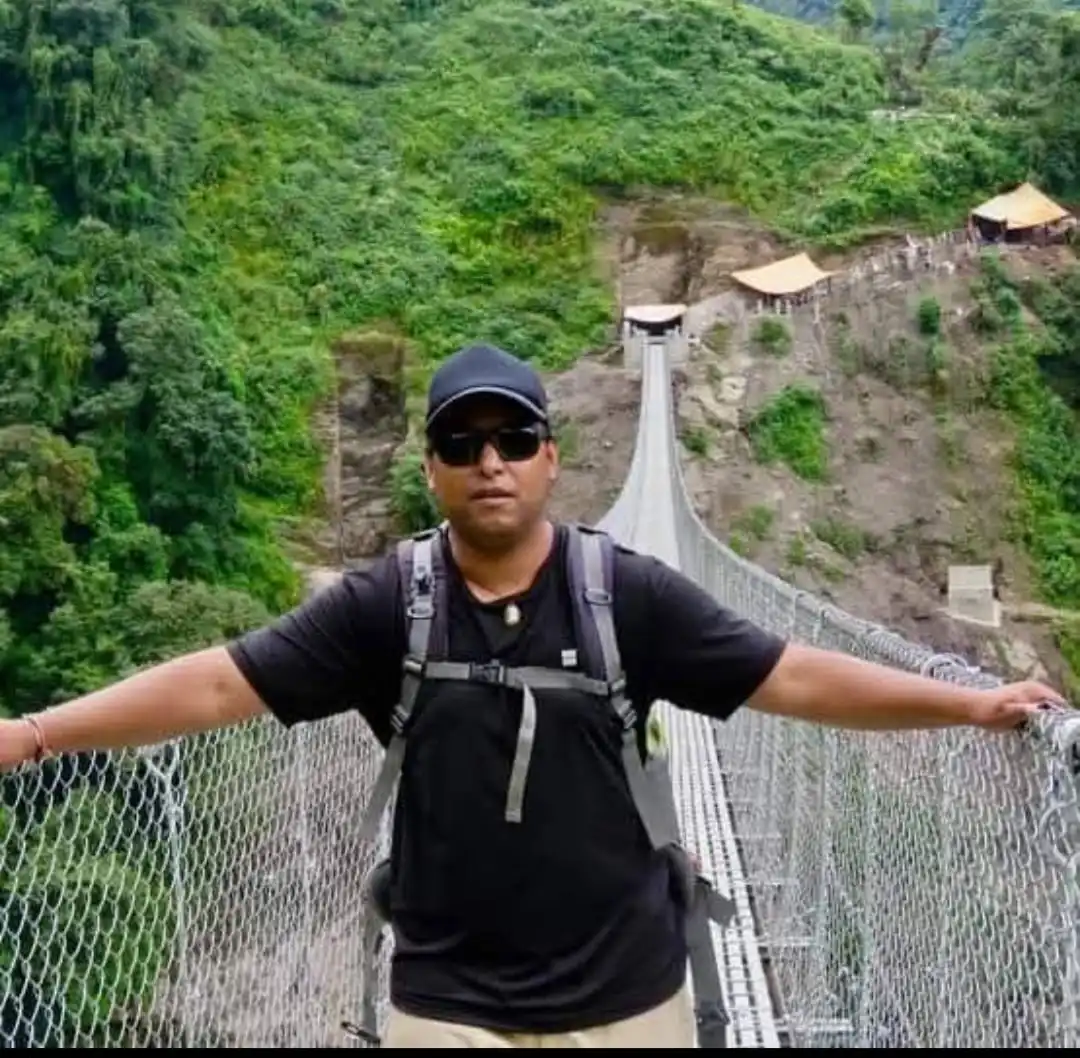
- Suspension Bridges – Walk across exciting bridges over fast-flowing rivers and deep valleys.
- Sacred Monasteries – Visit Buddhist monasteries decorated with prayer wheels, flags, and ancient paintings.
- Wildlife and Nature – Spot Himalayan birds, yaks, and sometimes even musk deer along the trail.
- Sunrise and Sunset Views – Watch the golden light of the sun touch the world’s tallest peaks from Gokyo Ri.
- Mix of Landscapes – From green forests and waterfalls to rocky paths and snowy mountains, the trek shows many different faces of nature.
Everest Gokyo Trek Itinerary
Expand AllYour journey begins as you land in Kathmandu, the capital of Nepal. At the airport, our team will be waiting to welcome you and take you to your hotel. The drive from the airport to the hotel is short, about 6 km, and gives you the first look at the busy and colorful streets of the city. After you check in and have some time to rest, we will gather in the evening for a welcome dinner. During dinner, you can taste delicious Nepali food and get to know the team better. Along with the meal, there will be a short briefing about the trek. This will help you understand the plan, important details, and what to expect during the adventure. It is also a good chance to ask questions and prepare yourself for the days ahead.
Today your adventure begins with a drive from Kathmandu to Manthali. The journey covers about 132 km and takes around 5 to 6 hours by bus. As you leave the busy city behind, the road slowly winds through green hills, rivers, and small villages. Along the way, you will get to see a different side of Nepal, with terraced farms, local markets, and traditional houses built along the roadside. The drive may feel long, but the views of nature and daily village life keep it interesting. By the afternoon, you will arrive in Manthali, a quiet town in the Ramechhap district. This place is known as the starting point for flights to Lukla during trekking seasons. After checking in at your hotel, you will have time to rest, walk around the town, or simply relax before the trekking journey gets more exciting in the coming days.
Early in the morning, you will take a short flight from Manthali to Lukla. The flight covers about 138 km and takes around 20 minutes, giving you your first views of the mighty Himalayas. Landing at Lukla is an exciting experience as the airport is one of the highest and most unique in the world. After meeting the trekking team in Lukla, your walking journey begins.
The trek from Lukla to Phakding is around 8 km and takes 3 to 4 hours. The trail goes through small villages, mani walls carved with prayers, and suspension bridges over rivers. You will also pass green forests and see the first glimpses of snow-capped peaks. The walk is gentle and a good way to warm up for the days ahead. By late afternoon, you will reach Phakding, a peaceful village by the Dudh Koshi River, where you will stay overnight.
Today the trail takes you from Phakding to the famous Sherpa town of Namche Bazaar. The distance is about 10 to 12 km and usually takes 6 to 7 hours of walking. The path follows the Dudh Koshi River, crossing several suspension bridges, including the well-known Hillary Bridge decorated with colorful prayer flags. As you climb higher, the scenery changes from pine forests to rocky trails with wider views of the valley.
On the way, you pass through small villages like Monjo and Jorsalle, where the entrance to Sagarmatha National Park is located. After a steady walk, the trail becomes steeper as you begin the long climb to Namche Bazaar. Though challenging, this part rewards you with your first views of Mount Everest if the sky is clear. Finally, you reach Namche, the main trading town of the Khumbu region, filled with shops, lodges, and the warm culture of the Sherpa people.
Today is a rest and acclimatization day in Namche Bazaar. Even though it is called a rest day, you will stay active with short hikes to help your body adjust to the higher altitude. Namche is often called the “gateway to Everest” and is the main hub of the Khumbu region.
In the morning, you can hike up to the Everest View Hotel, about 3 to 4 km from Namche. From there, you get clear views of Mount Everest, Ama Dablam, and other beautiful peaks. Another short hike option is to visit the Sherpa Culture Museum or the National Park Museum, both showing the history, traditions, and lifestyle of the mountain people.
The afternoon can be spent exploring the lively town. Namche has bakeries, shops, and markets where traders from Tibet and nearby villages gather. This day not only helps you adapt to the altitude but also lets you enjoy Sherpa culture.
Today you leave Namche Bazaar and head toward the peaceful village of Tengboche. The trek covers about 10 km and usually takes 5 to 6 hours of walking. The trail first goes slightly uphill, offering wide views of the valley and tall peaks like Everest, Lhotse, and Ama Dablam. After this, the path becomes easier as you walk along gentle slopes and pass through small villages and forests filled with pine and rhododendron.
You then descend to the Dudh Koshi River, cross a suspension bridge, and begin a long uphill climb to reach Tengboche. This part of the walk is more challenging, but the reward at the top is worth it. Tengboche is famous for its large monastery, one of the most important in the Khumbu region. From here, you get a perfect view of Ama Dablam and other Himalayan giants. Overnight stay will be in Tengboche village.
Today’s trek takes you from Tengboche to the beautiful village of Dingboche. The distance is about 11 km and it usually takes 6 to 7 hours of walking. The trail first goes downhill through forests of rhododendron and birch, where you may see colorful birds and maybe even Himalayan musk deer. After crossing the river, the path slowly climbs again, passing through small villages like Pangboche, where the oldest monastery of the region is located.
As you walk further, the scenery opens up into wide valleys with amazing views of Ama Dablam, Lhotse, and Island Peak. The air feels thinner as you gain altitude, so the pace is kept steady. Dingboche is often called the “summer valley” because of its sunny setting and wide fields surrounded by stone walls. Here, you will stay overnight, enjoying views of snowy mountains and preparing for the higher trails ahead.
Today is an acclimatization day in Dingboche to help your body adjust to the higher altitude. You can spend the day exploring the village and walking short trails around the area, usually covering 3 to 4 km. Dingboche is a small Himalayan village surrounded by wide fields and high mountains, giving it a peaceful and scenic setting.
During the day, you can visit local farms where people grow potatoes, barley, and vegetables, and see how stone walls protect the fields from wind and animals. Another option is to take a short hike to the ridge above the village, which provides a better view of Ama Dablam and the surrounding peaks. Spending time walking at this altitude helps reduce the risk of altitude sickness and prepares you for the higher climbs ahead. In the evening, you can rest at the teahouse and enjoy the calm mountain atmosphere.
Today you continue your journey from Dingboche to Lobuche. The trek covers about 8 km and usually takes 5 to 6 hours. The trail gradually climbs along the valley, giving you wider views of the Himalayas. Along the way, you will see glaciers, rocky landscapes, and small stone-built shelters called mani walls with Buddhist prayers carved on them.
The path passes through Thukla, where a memorial site honors climbers who lost their lives on Everest. After this, the trail becomes a steady uphill climb to reach Lobuche. The air is thinner here, so it is important to keep a slow pace and take breaks when needed. Lobuche is a small village surrounded by tall peaks and close to the Khumbu Glacier. Staying overnight in Lobuche helps your body adjust before heading higher toward the Everest Base Camp region in the coming days.
Today is an exciting day as you trek from Lobuche to Gorakshep, covering about 7 km in the morning, which usually takes 3 to 4 hours. The trail follows the Khumbu Glacier and passes rocky paths and small memorials dedicated to climbers. The air is thin, so it is important to walk slowly and take breaks.
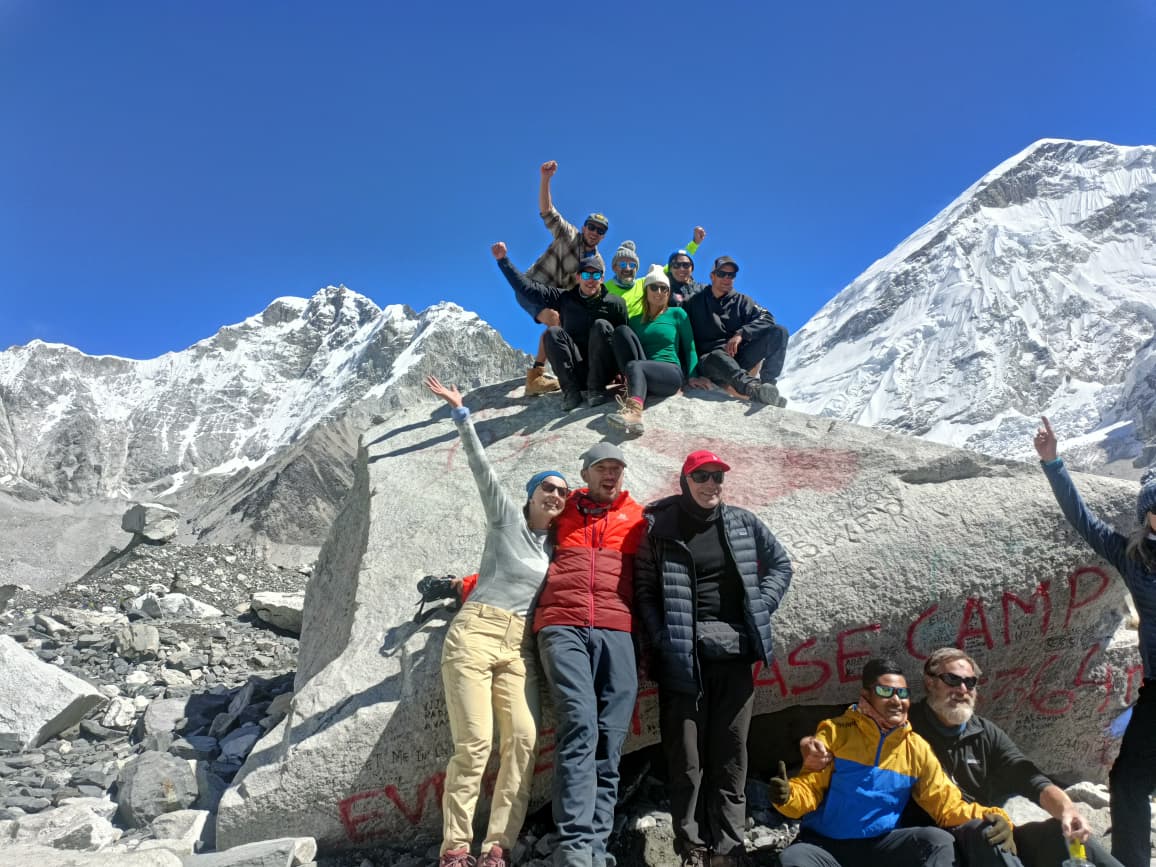
After reaching Gorakshep and having lunch, you continue for about 3 km to Everest Base Camp. The path is rocky and winds through the edge of the glacier. At EBC, you can see the massive Khumbu Icefall and look up at Everest and nearby peaks. After spending some time at the Base Camp, you return to Gorakshep for overnight stay. This day combines adventure and achievement, as reaching EBC is one of the highlights of the trek.
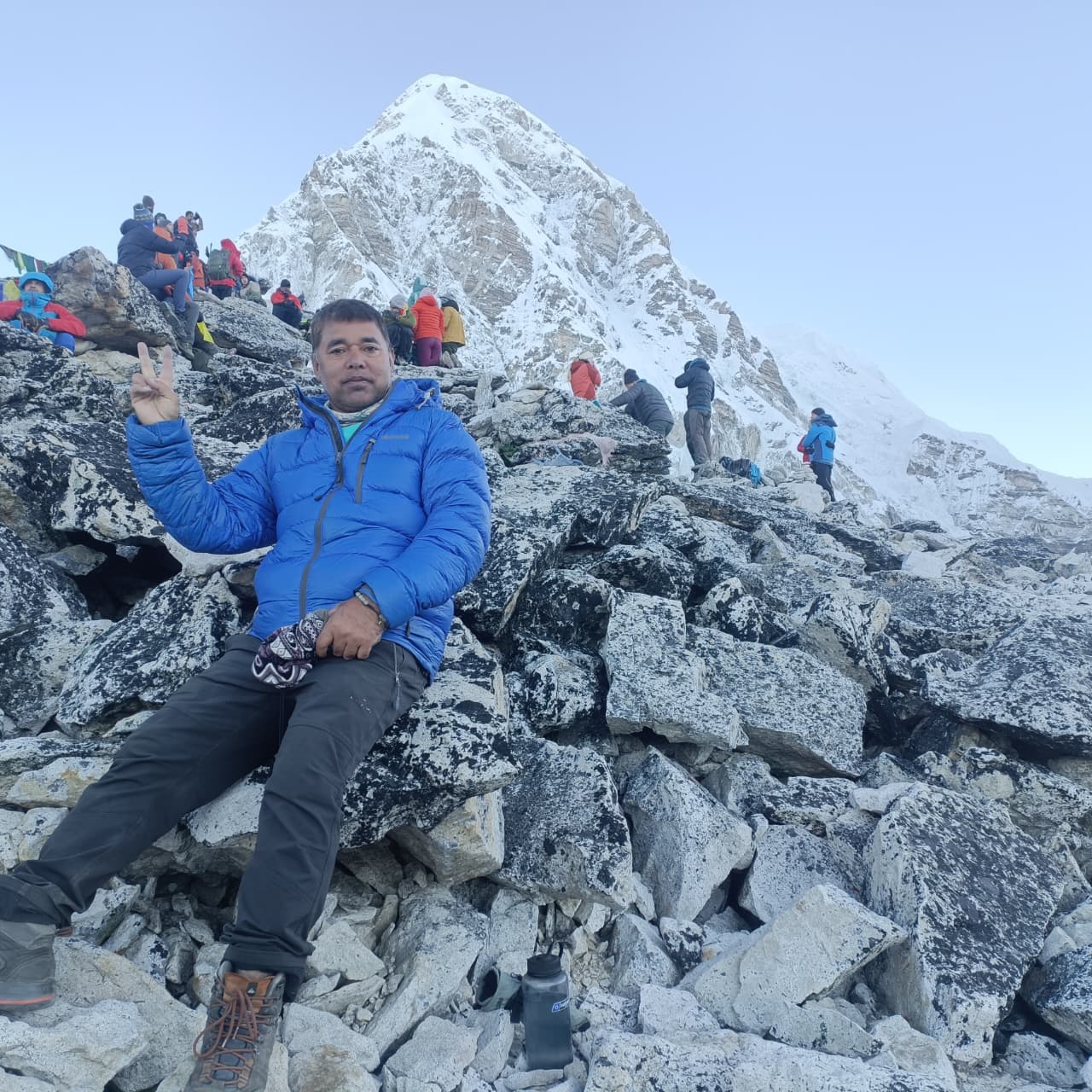
Today you start early with a trek to Kala Patthar, the famous viewpoint for Everest. The distance from Gorakshep to Kala Patthar is about 3 km and usually takes 2 to 3 hours. The trail is steep, and the air is thin, so it is important to walk slowly and take small breaks. From the top of Kala Patthar, you can enjoy an amazing view of Mount Everest, Lhotse, and Nuptse, along with the glaciers below.
After descending back to Gorakshep for breakfast, the trek continues toward Dzongla. This part covers about 10 km and takes 5 to 6 hours. The trail passes along the Khumbu Glacier, small hills, and open valleys. Dzongla is a quiet village surrounded by mountains and glaciers, offering a peaceful place to rest and recover after a long day of trekking.
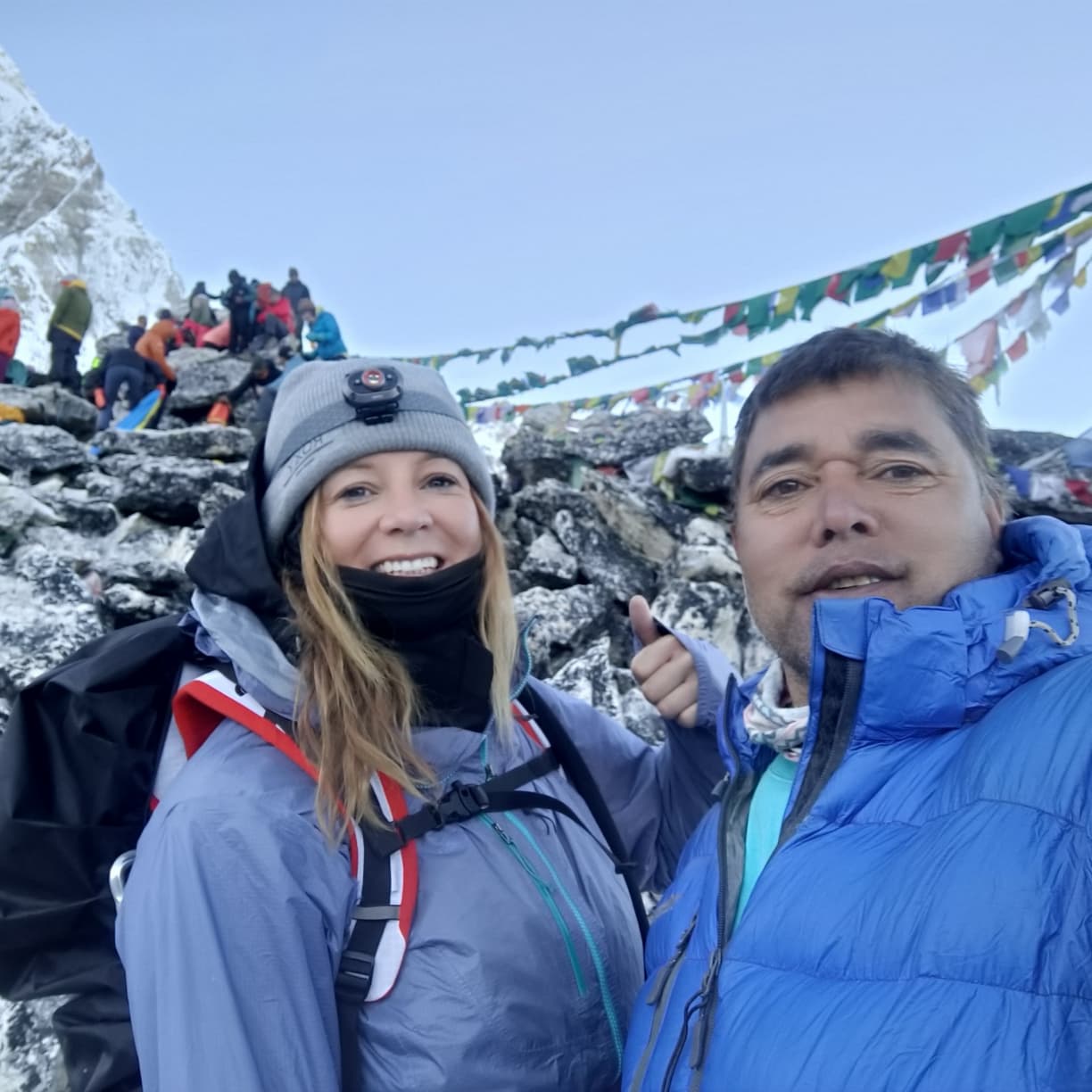
Today you face one of the most challenging but rewarding parts of the Everest Gokyo Trek. The trek from Dzongla to Thagnak is about 12 km and usually takes 7 to 8 hours because you will cross the high Chola Pass. The trail climbs steeply through rocky terrain and snow patches as you approach the pass at 5,420 meters. Crossing Chola Pass offers breathtaking views of glaciers, mountains, and the surrounding valleys.
After reaching the top, you begin a gradual descent toward Thagnak. The village sits at 4,700 meters and is a quiet place with a few teahouses and stone-built shelters. Staying here allows your body to rest after the demanding pass and prepares you for the next day’s trek to the Gokyo Valley. The landscapes along the way make the hard walk very rewarding.
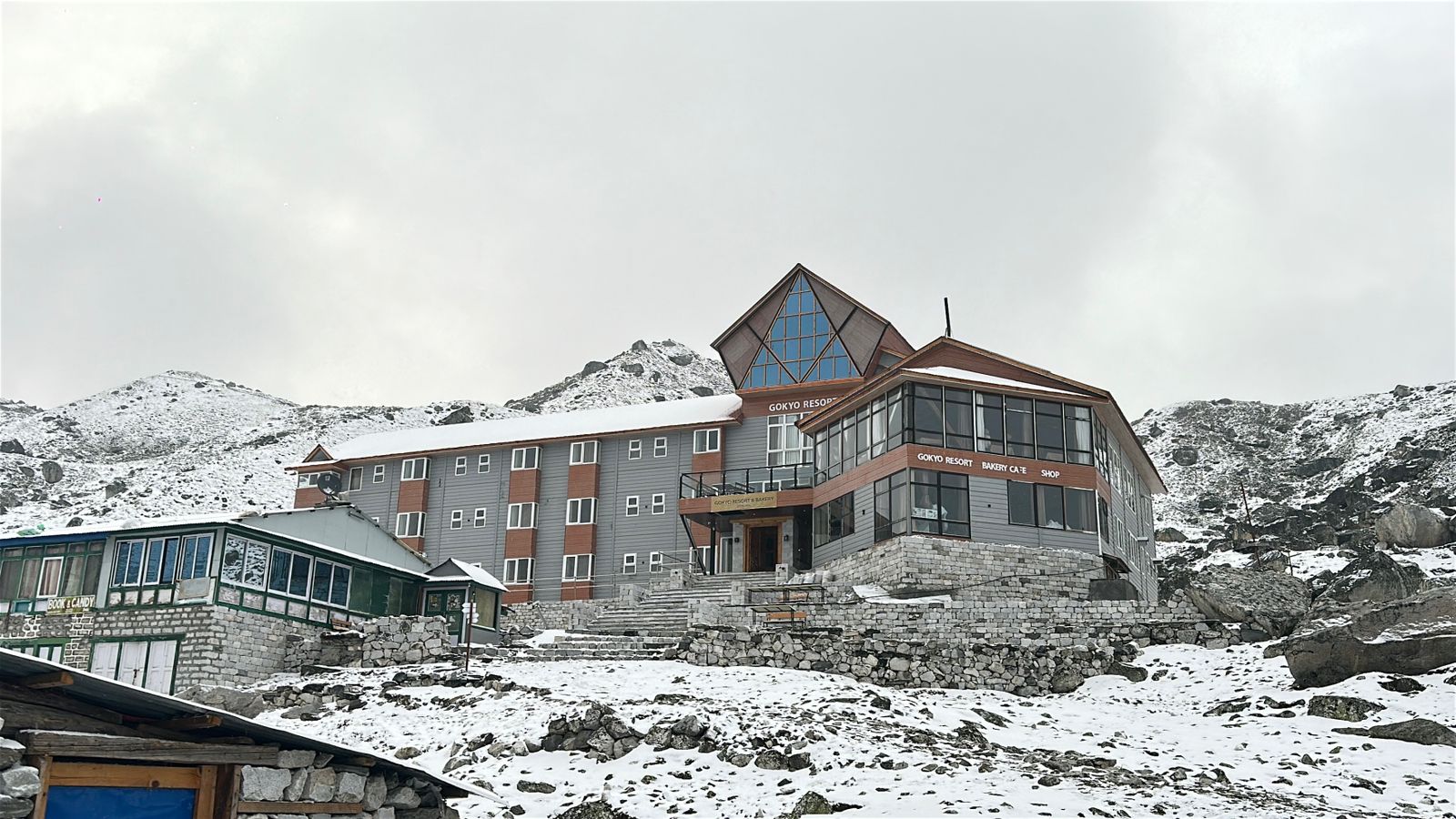
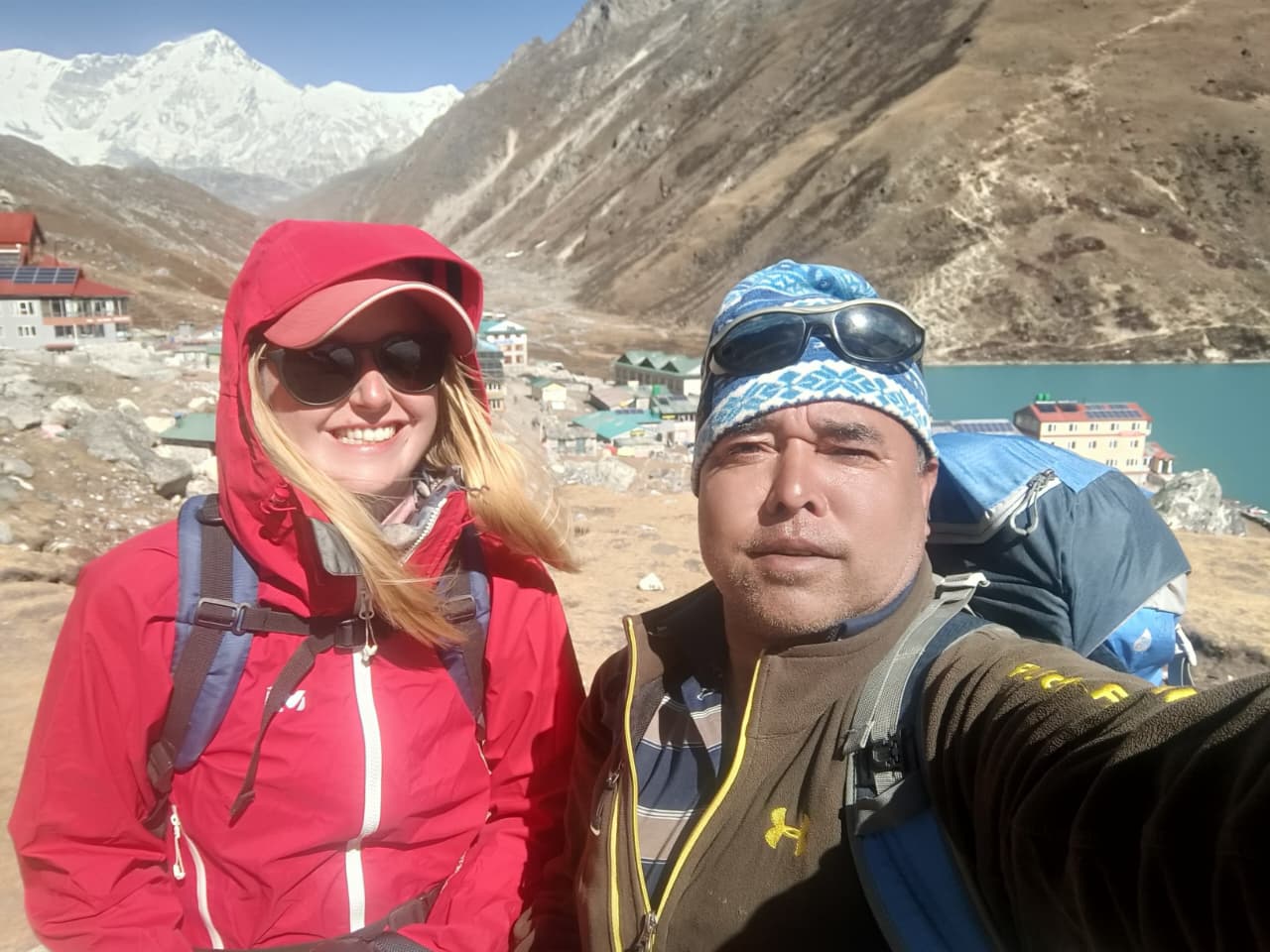
Today you trek from Thagnak to Gokyo Lake, covering about 8 km in 4 to 5 hours. The trail gradually climbs through rocky paths and moraine ridges, giving wide views of glaciers and high mountains like Cho Oyu, Everest, and Makalu. Walking at this altitude requires a steady pace and frequent breaks, but the scenery makes the journey very enjoyable.
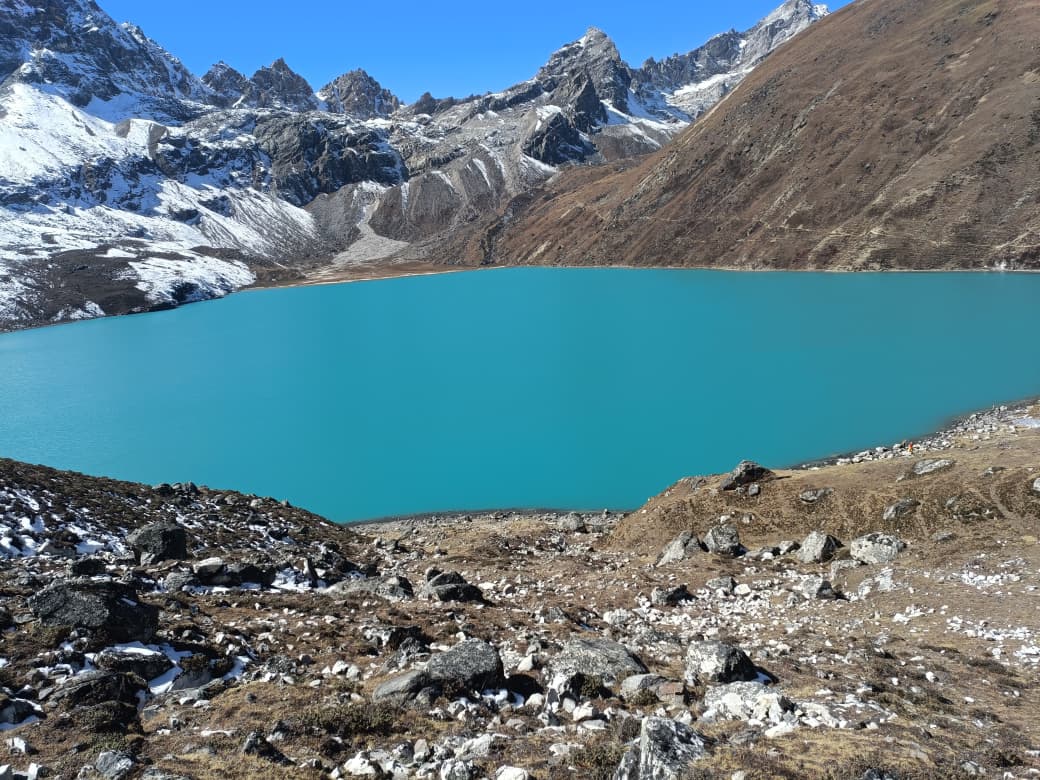
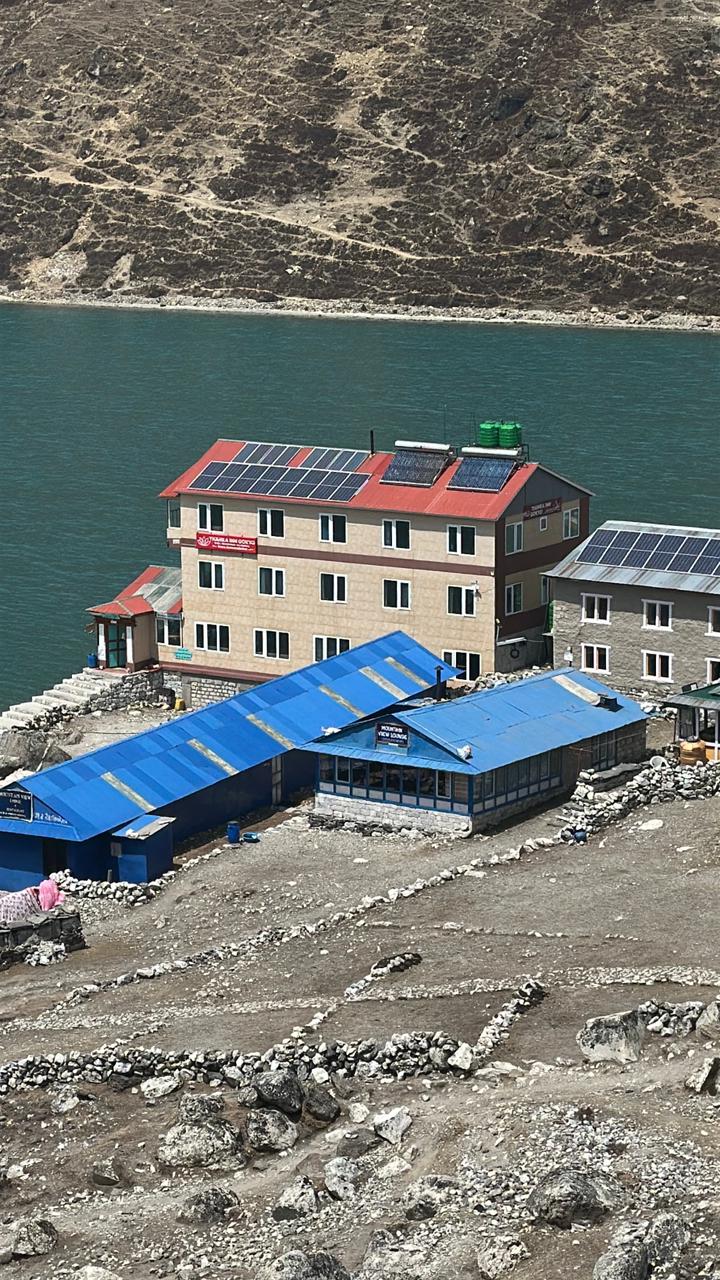
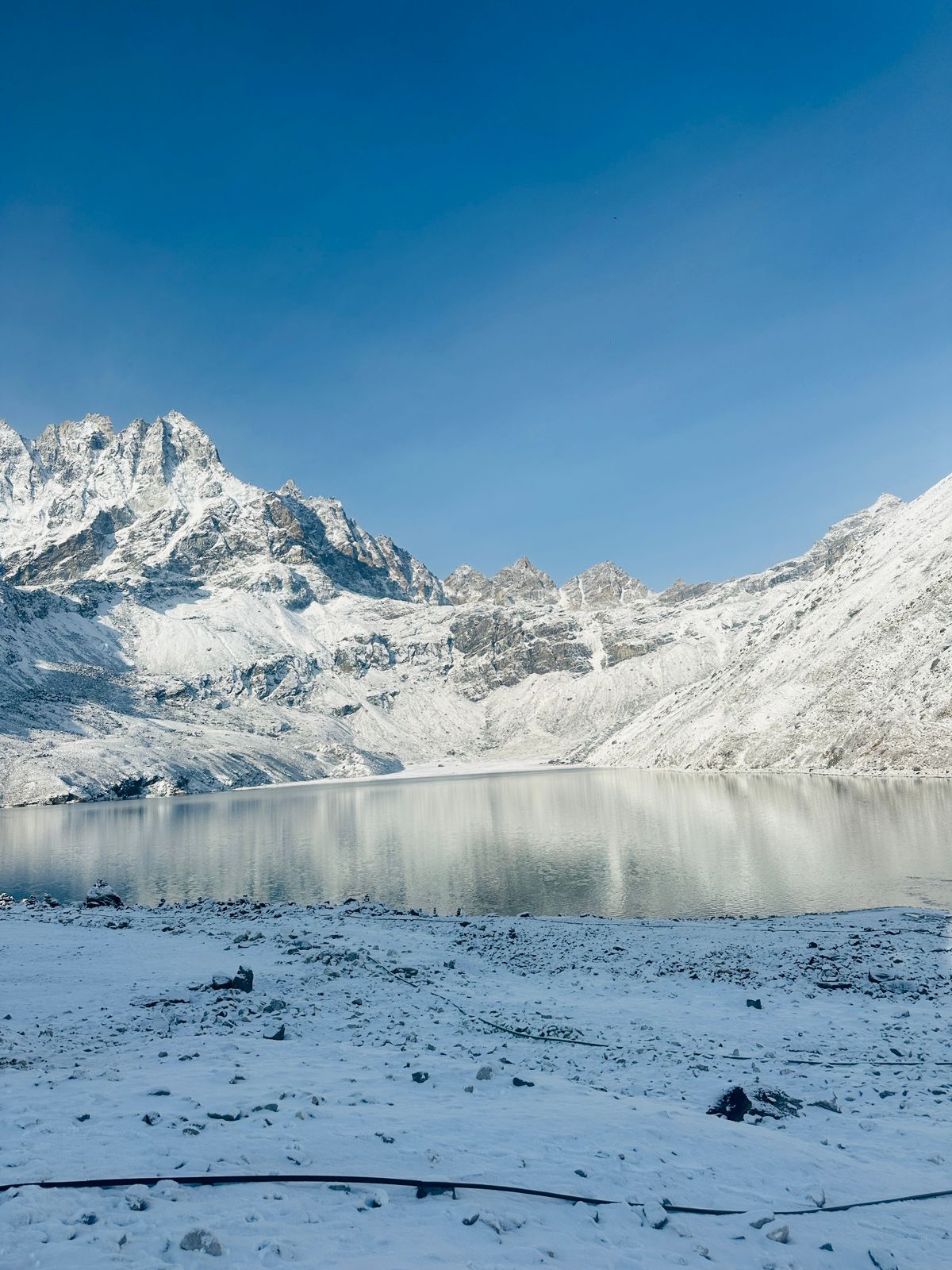
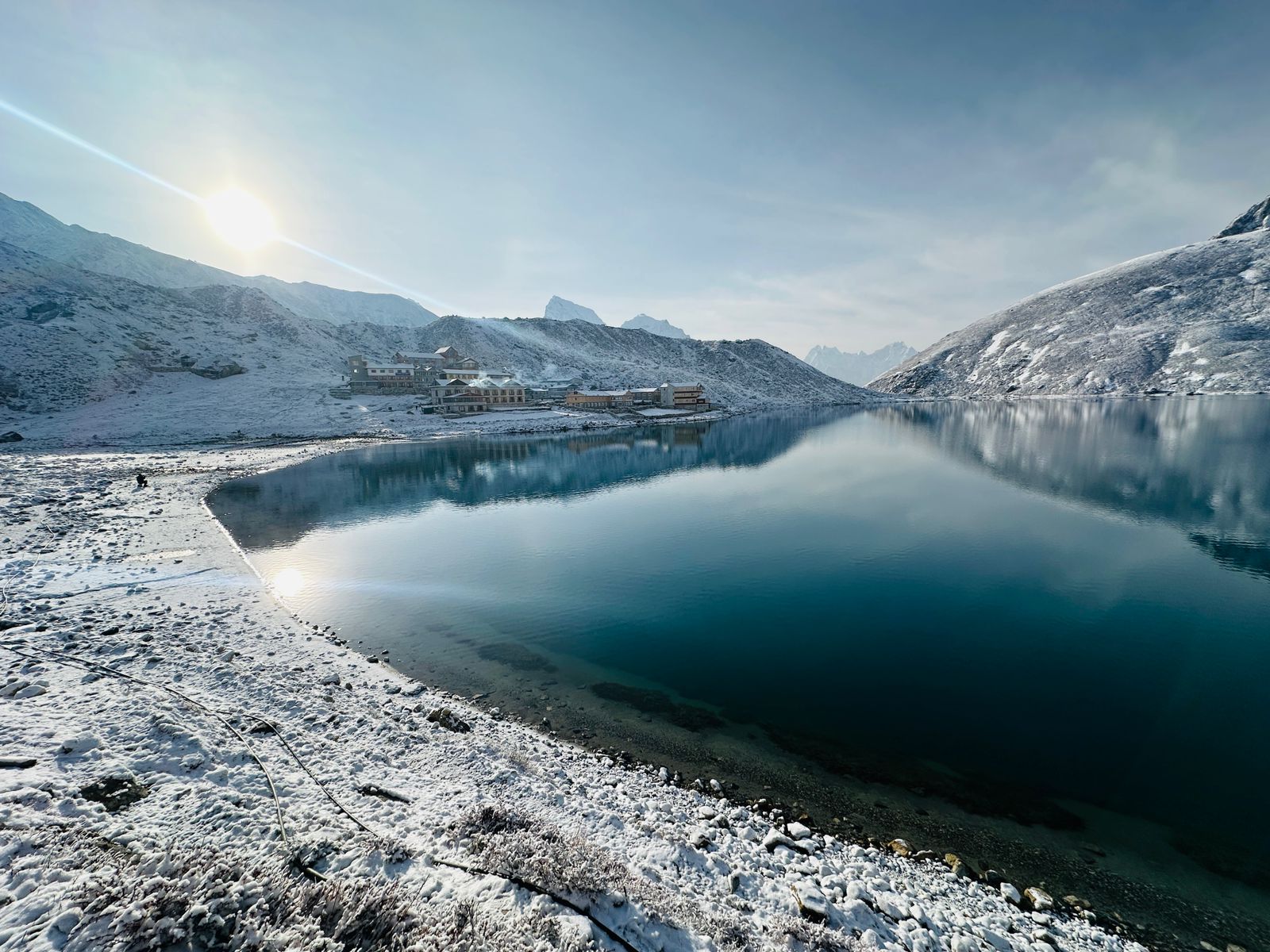
Gokyo Lake is a series of beautiful turquoise lakes in the heart of the Himalayas. The largest, Gokyo Cho, is considered sacred by the local people. You can spend time walking along the lake, enjoying reflections of snowy peaks, and exploring the small village nearby. Staying overnight here allows you to experience the peaceful atmosphere of the valley and prepare for the hike to Gokyo Ri the next day, which offers some of the best panoramic mountain views in the region.
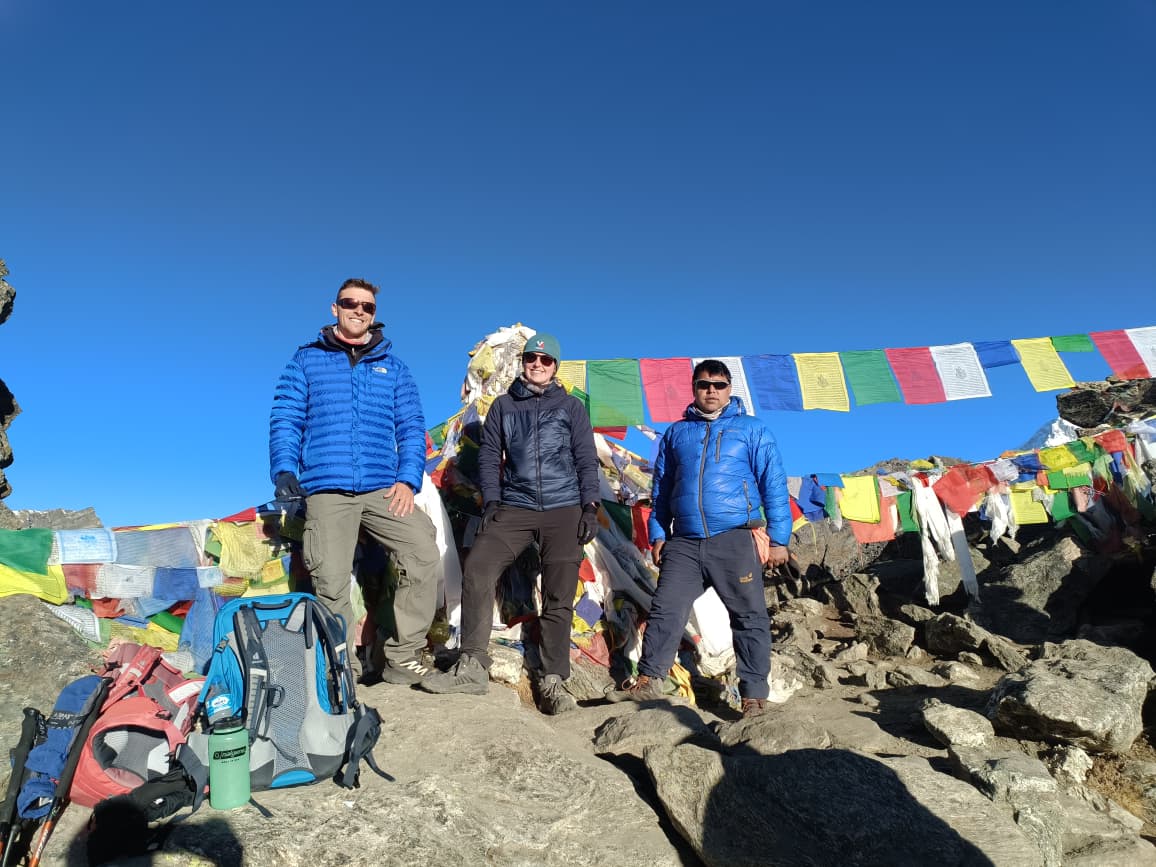
Today you have an early morning hike to Gokyo Ri, a famous viewpoint in the region. The climb from Gokyo Lake to Gokyo Ri is about 2 km and takes 1.5 to 2 hours. The trail is steep and rocky, but the reward is worth the effort. From the top, you get an amazing panoramic view of Everest, Cho Oyu, Makalu, and the surrounding glaciers. Sunrise from this point is especially breathtaking, showing the mountains in golden light.
After enjoying the views and taking photos, you descend back to Gokyo Lake, covering the same 2 km downhill. The rest of the day can be spent exploring the village and the lake area. Staying another night in Gokyo allows your body to rest and prepare for the trek toward Machhermo the next day. The experience combines adventure, nature, and a sense of achievement.
Today you leave the peaceful Gokyo Valley and head toward Machhermo. The trek is about 8 km and usually takes 4 to 5 hours. The path gradually descends at first and then goes along rocky trails and moraine ridges. Along the way, you can enjoy views of glaciers, high mountains, and the small streams flowing down the valleys.
Machhermo is a quiet village at 4,470 meters, surrounded by snow-capped peaks and glacial landscapes. It is a small settlement with a few teahouses, making it a calm place to rest after the walk. The village is also used as an acclimatization point by trekkers heading toward higher altitudes. Staying here allows you to adjust to the altitude while enjoying the beauty of the Khumbu region. The surrounding mountains and peaceful environment make the overnight stay refreshing and memorable.
Today you start descending from Machhermo toward Manglo, covering about 10 km in 5 to 6 hours. The trail goes through rocky paths, moraine ridges, and small streams, giving you wide views of the surrounding mountains and glaciers. As you descend, the air becomes easier to breathe, and the scenery changes from snowy ridges to open valleys with scattered rocks and small patches of grass.
Manglo is a small and quiet settlement at 4,200 meters. It has a few teahouses and offers a calm place to rest after the walk. Staying overnight here allows your body to recover from the higher altitudes and prepares you for the next day’s trek toward Phortse or other villages on the return route. The journey today is less steep but still offers beautiful Himalayan landscapes and peaceful surroundings.
Today you continue descending toward Namche Bazaar, covering about 12 km in 6 to 7 hours. The trail moves through valleys, forests, and small villages, giving you wide views of the mountains and the Dudh Koshi River below. Walking downhill is easier on your lungs than high-altitude climbing, but it is important to move carefully on rocky paths to avoid slipping.
On the way, you pass through several small settlements and can see the daily life of the local Sherpa people, including stone-built houses, mani walls, and prayer flags. Arriving in Namche Bazaar, you return to the lively town with shops, bakeries, and markets. Staying overnight here gives you time to rest, enjoy a warm meal, and reflect on the trek so far. Namche is a good place to relax before continuing the descent toward Lukla in the coming days.
Today you complete the long descent from Namche Bazaar to Lukla. The trek covers about 20 km and usually takes 7 to 8 hours. The trail passes through forests, rivers, and small villages, giving you a last close look at the daily life of the Sherpa people. Walking downhill is easier than climbing, but it is important to take careful steps on rocky paths and suspension bridges.
Along the way, you pass through villages such as Monjo and Phakding. These familiar stops are good places to rest, enjoy tea, and reflect on the journey. Finally, you reach Lukla, the starting and ending point of your trek. Lukla is a small town with several teahouses where you can relax and celebrate completing the Everest Gokyo Trek. The day offers a mixture of achievement, peaceful landscapes, and a sense of returning to the lower valleys.
On the last day of the Everest Gokyo Trek, you take an early morning flight from Lukla back to Kathmandu. The flight covers about 138 km and takes around 20 minutes, offering stunning aerial views of the Himalayas, including Everest, Lhotse, and the Khumbu Glacier. Seeing the mountains from the plane is a special way to remember the trek.
After landing in Kathmandu, you will be transferred to your hotel for rest and relaxation. The city is busy and lively compared to the quiet mountains, giving you a chance to enjoy local shops, cafes, and cultural sites. In the evening, a farewell dinner is usually organized where you can celebrate the successful completion of your 19-day journey, share memories with fellow trekkers, and reflect on the adventure through the beautiful Everest region.
Note : This is a basic itinerary and can be adjusted according to your schedule and preferences. We offer full board service, guide-only service, porter-only service, or fully customized packages. Please contact us via email or WhatsApp to discuss your needs.
Everest Gokyo Trek Includes/Exclude
Cost Include
- Airport arrival and departure by Private vehicle.
- Accommodationat a 3 star Standard category hotel in kathmandu for two nights.
- Welcome and farewell dinner.
- Daily breakfast at kathmandu.
- All ground transfers as per Itinerary.
- Both way domestic flight ticket. (Katmandu-Lukla-Kathmandu)
- English speaking trekking guide and required number of poters as per group size.
- Twin/Double sharing guest house/Tea house accommodation during the trek as per the itinerary given.
- Sagarmatha National Park permit.
- Pasang Lhamu Rural Municipality entrance ticket.
- Meals-Breakfast, Lunch, Dinner and also one cup of tea/coffee everyday during the trek.
- Seasonal fresh fruit throughout the trek.
- First-aid medical kit with an oximeter to check your pulse and oxygen level while on the trek.
- Wages, Medical, Travel Insurance, Salary, Meals, Accommodation equipment for guide, supportive crew and all applicable taxes.
Cost Exclude
- Nepal visa fee (Can be obtain upon Arrival at airport/boarder).
- International airfare and taxes (To/From) kathmandu.
- Meals, Lunch and Dinner in kathmandu.
- Your travel Insurance.
- Any kind of Beverages.
- Personal expenses and extra trip/services which are not included in the services.
- Personal trekking Clothing/Gears.
- Tipping/Gratitudes.
- Expenses that are caused by unforeseen circumstances such as bad weather, national disasters, political issues, personal illness etc.
- Any other expenses that are not mentioned in the include section.
- Your high altitude emergency travel insurance.
- All the bar bills and personal expenses (Phone call, Laundry services, WiFi, Battery recharge, a bottle of water, Hot water, Desert and Shower).
- Tips for Guide and Porter.
Everest Gokyo Trek Gallery/Video
Everest Gokyo Trek FAQS
Expand AllThe trek usually takes 19 days, including the time in Kathmandu and travel to Lukla.
The highest point is Kala Patthar at 5,545 meters, which gives amazing views of Mount Everest.
You should be reasonably fit. Walking for several hours each day is needed, but slow and steady pace works well.
The best months are March to May and September to November when the weather is clear and dry.
Yes, altitude sickness is possible. Rest days and slow trekking help your body adjust safely.
Yes, having a guide is recommended for safety, local knowledge, and easier communication with villages.
Most tea houses offer Nepali food, dal bhat, noodles, soup, and simple snacks.
Mobile signals are limited. Some lodges have Wi-Fi, but it can be slow or expensive.
Tea houses and small lodges are used along the route. They are simple, with shared rooms and basic facilities.
Yes, but children should be healthy and able to walk long distances. Extra rest days are important.
Regular walking, light hiking, and cardio exercise help. Bring warm clothes and proper trekking gear.
Yes, it is generally safe with a guide. Staying on marked trails, walking slowly, and following safety advice reduce risks.
Reviews

Everest Gokyo Trek
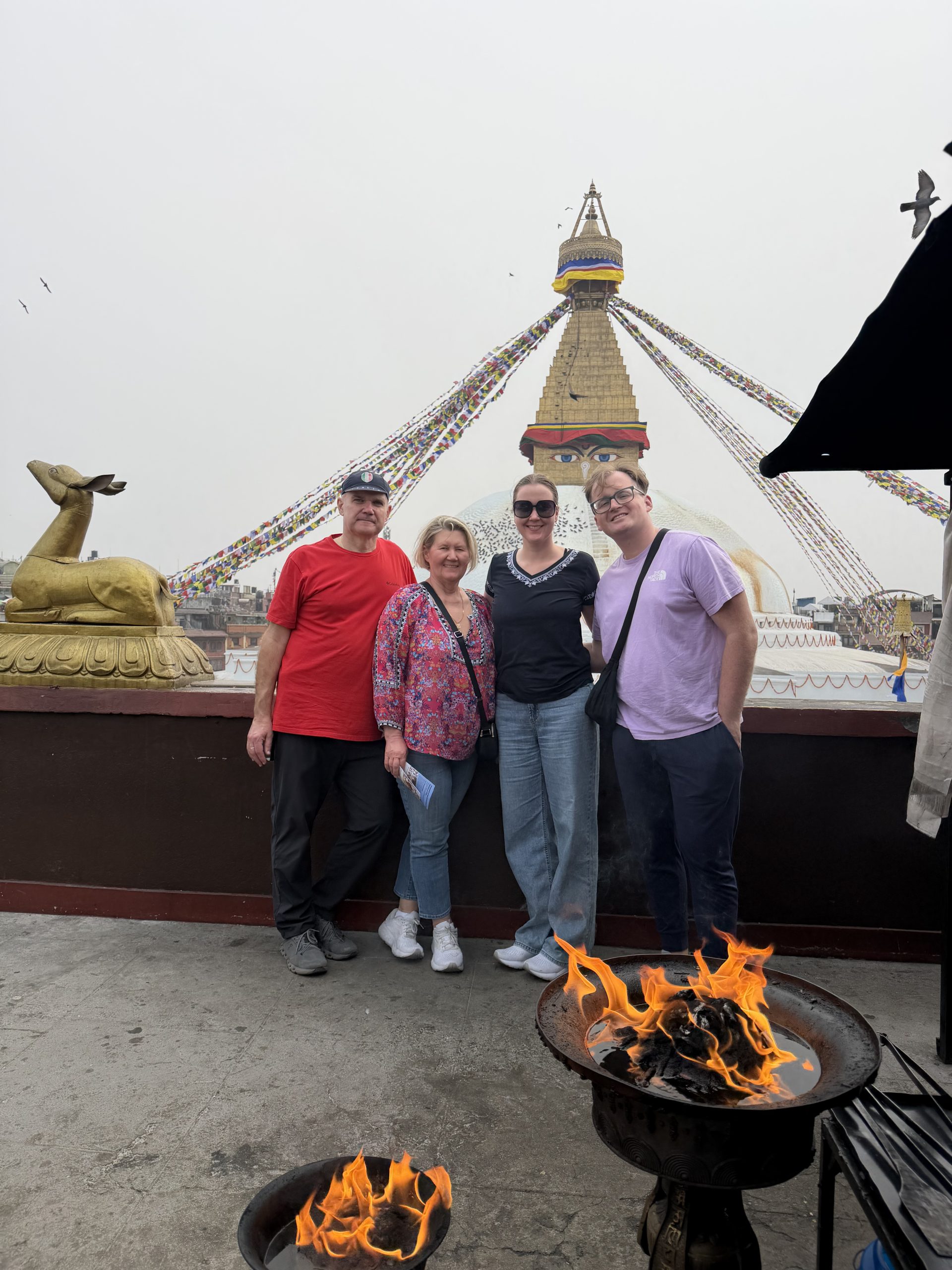
This was a wonderful, educational tour where we learned a lot and had a very fulfilling time from start to finish.
Everest Gokyo Trek an excellent tour of Nepal
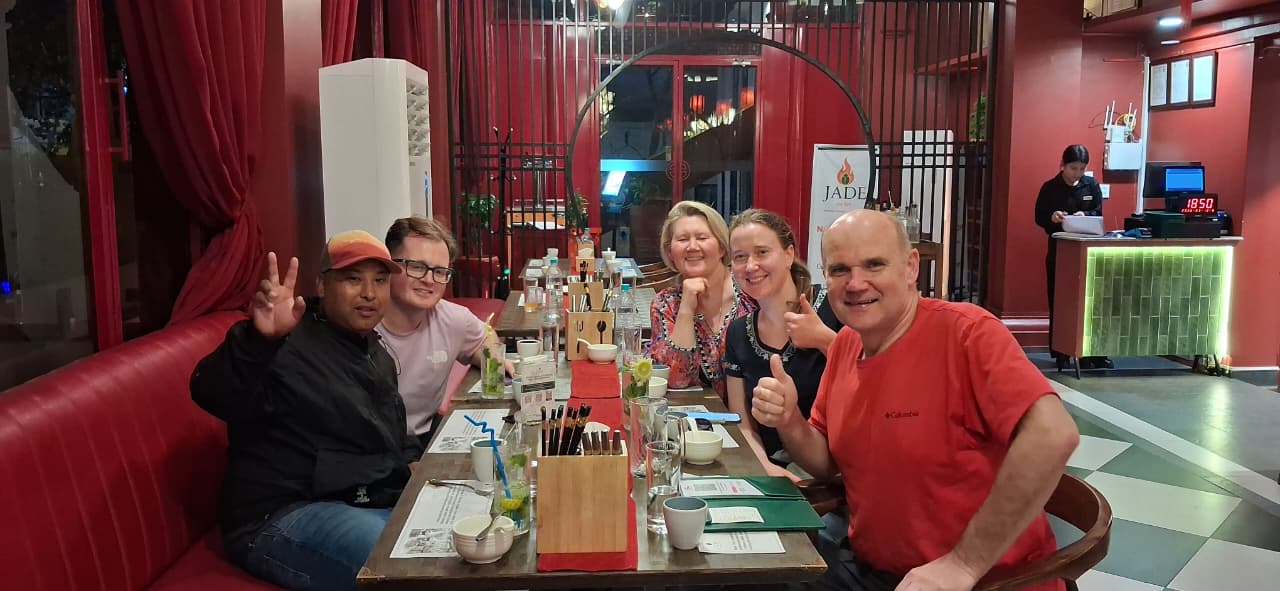
Excellent! Bishnu was an excellent guide on our trip. Knowledgeable, kind and answered all of our questions. Thank you for an excellent tour of Nepal!
Add a Review
Speak To Expert