Tour Facts

Tour Duration:
14 Days

Country:
Nepal

Activity:
Trekking

Region:
Annapurna

Accomodation:
Teahouse, Lodges, Guesthouse

Grade:
Moderate to Strenuous

Meals:
Breakfast, Lunch, Dinner ,Tea or Coffee

Best Season:
February to May and September to early December

Departure From :
Kathmandu
Annapurna Circuit Trek Overview
The Annapurna Circuit Trek is one of the most famous trekking routes in Nepal. It takes you around the Annapurna Mountain Range, which is full of high snow-capped peaks, green valleys, and beautiful rivers. This trek is popular because it shows many sides of Nepal, from rich cultures to amazing nature.
The trek usually starts from a place called Besisahar and goes through many small villages. As you walk, you will see terraced fields, forests, and waterfalls. You may also meet friendly people from different ethnic groups, like Gurung and Thakali, who live in the mountains. These communities have their own traditions, festivals, and local foods, which make the trek even more interesting.
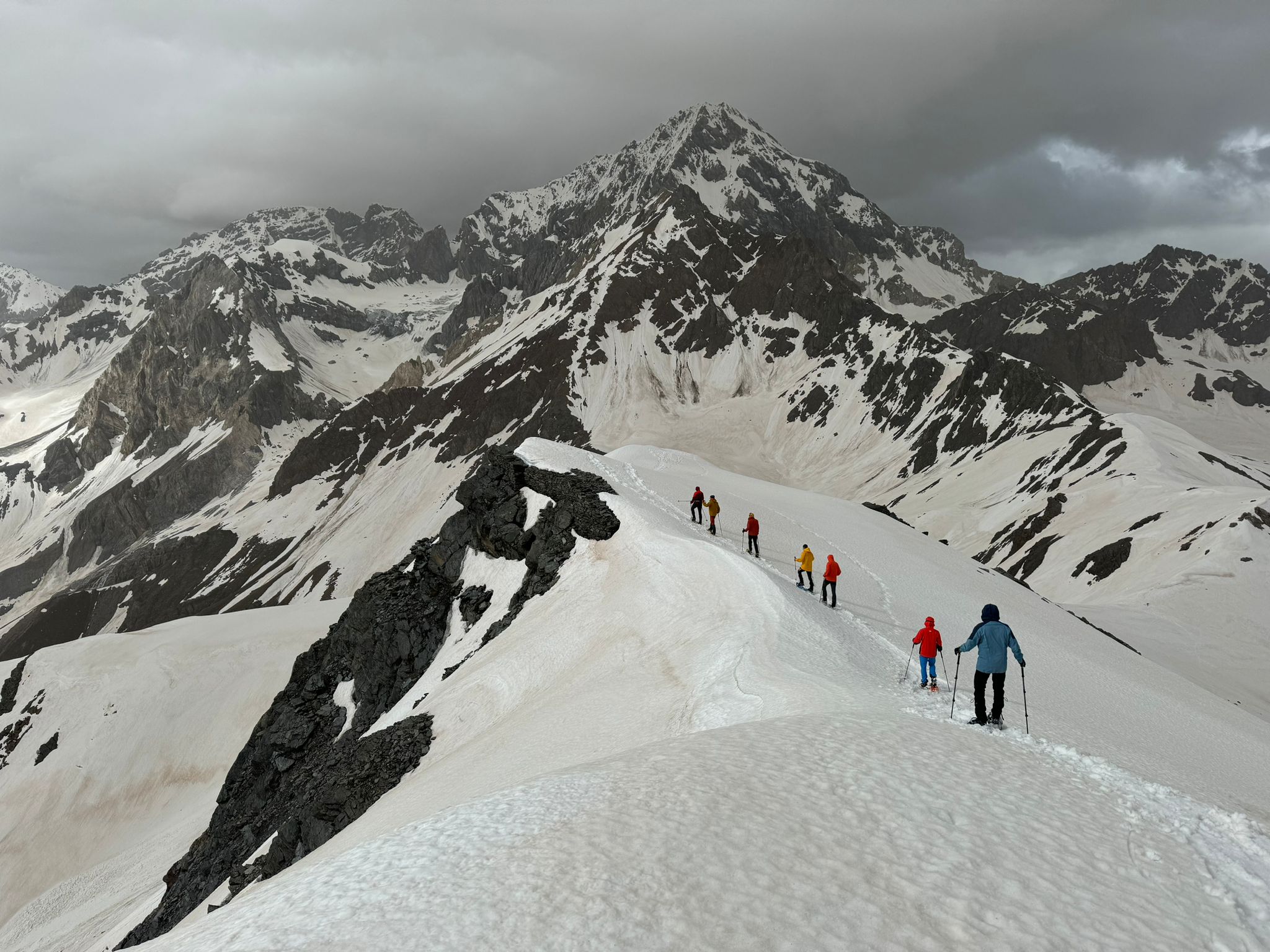
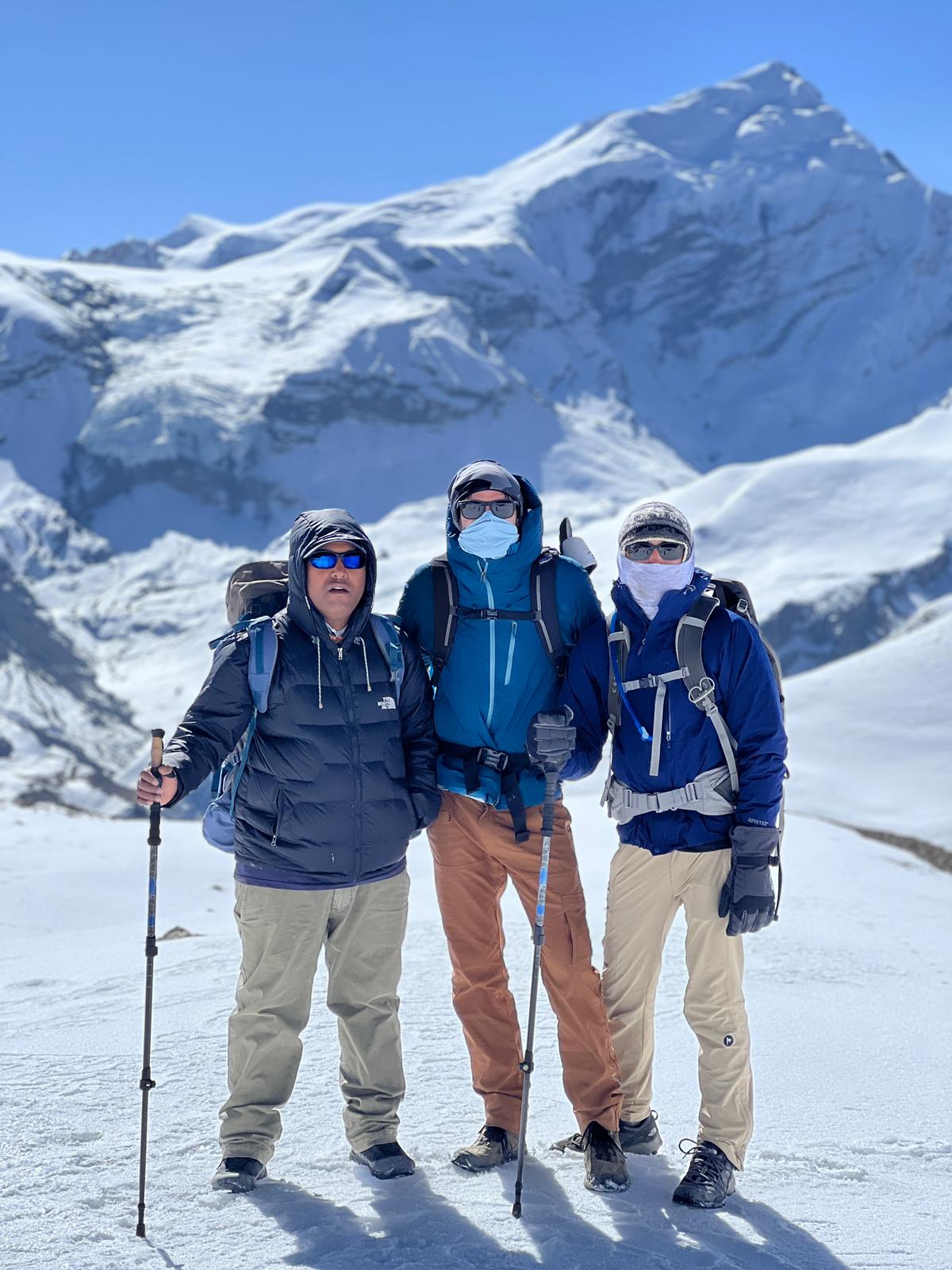
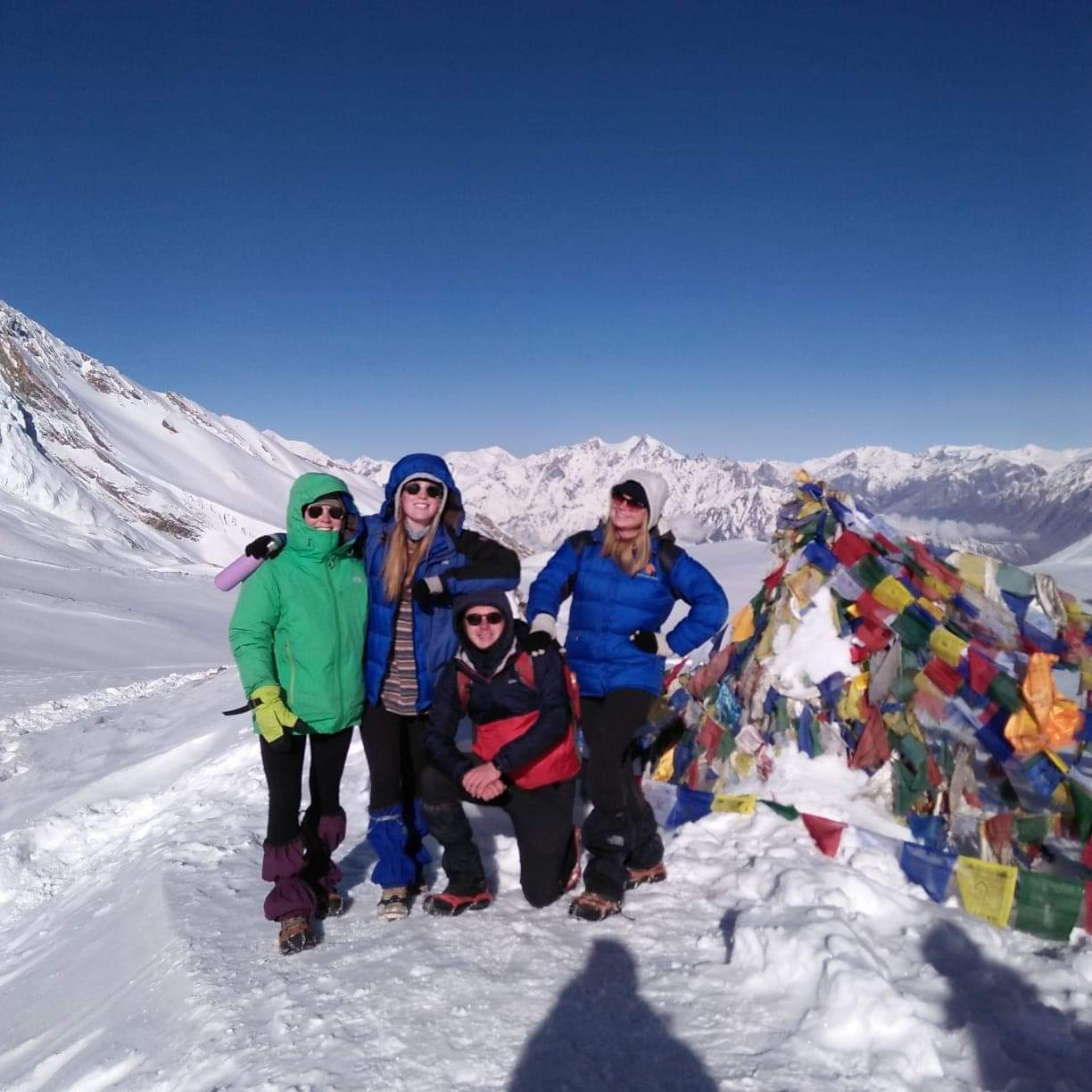
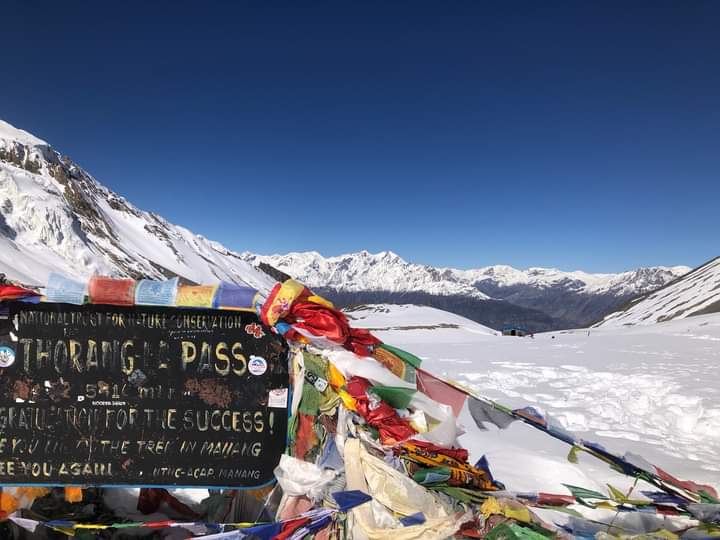
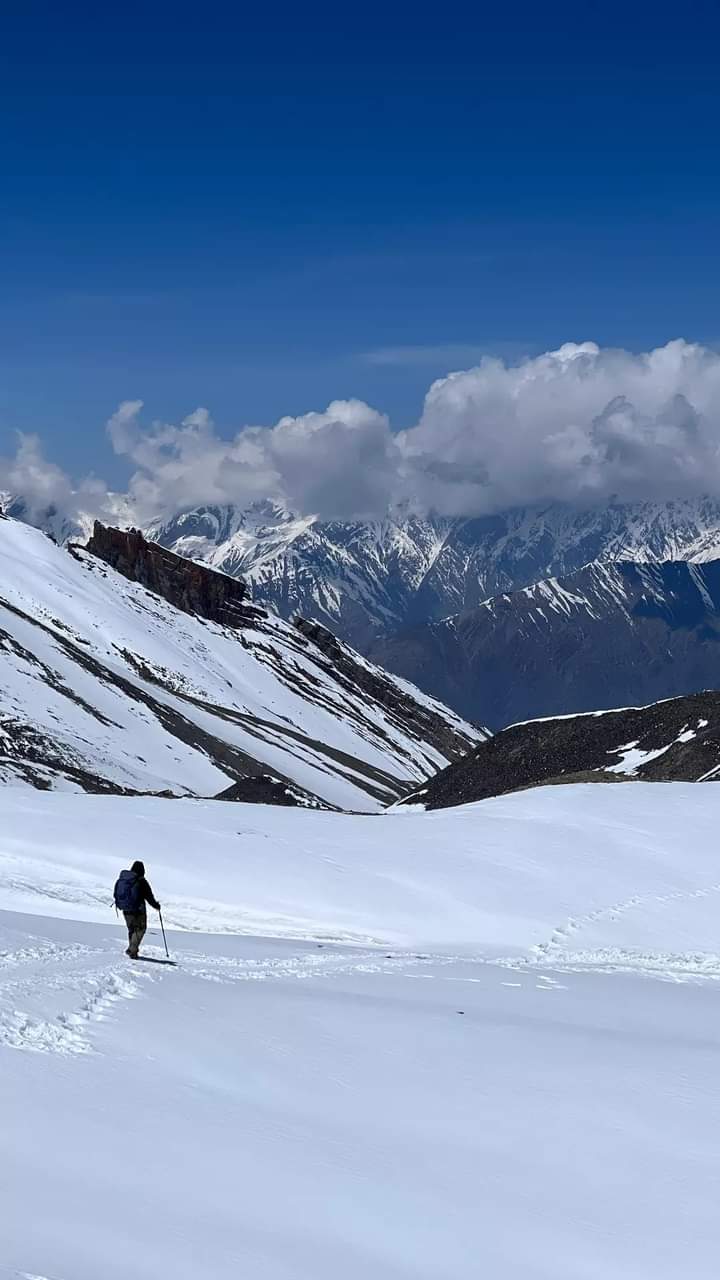
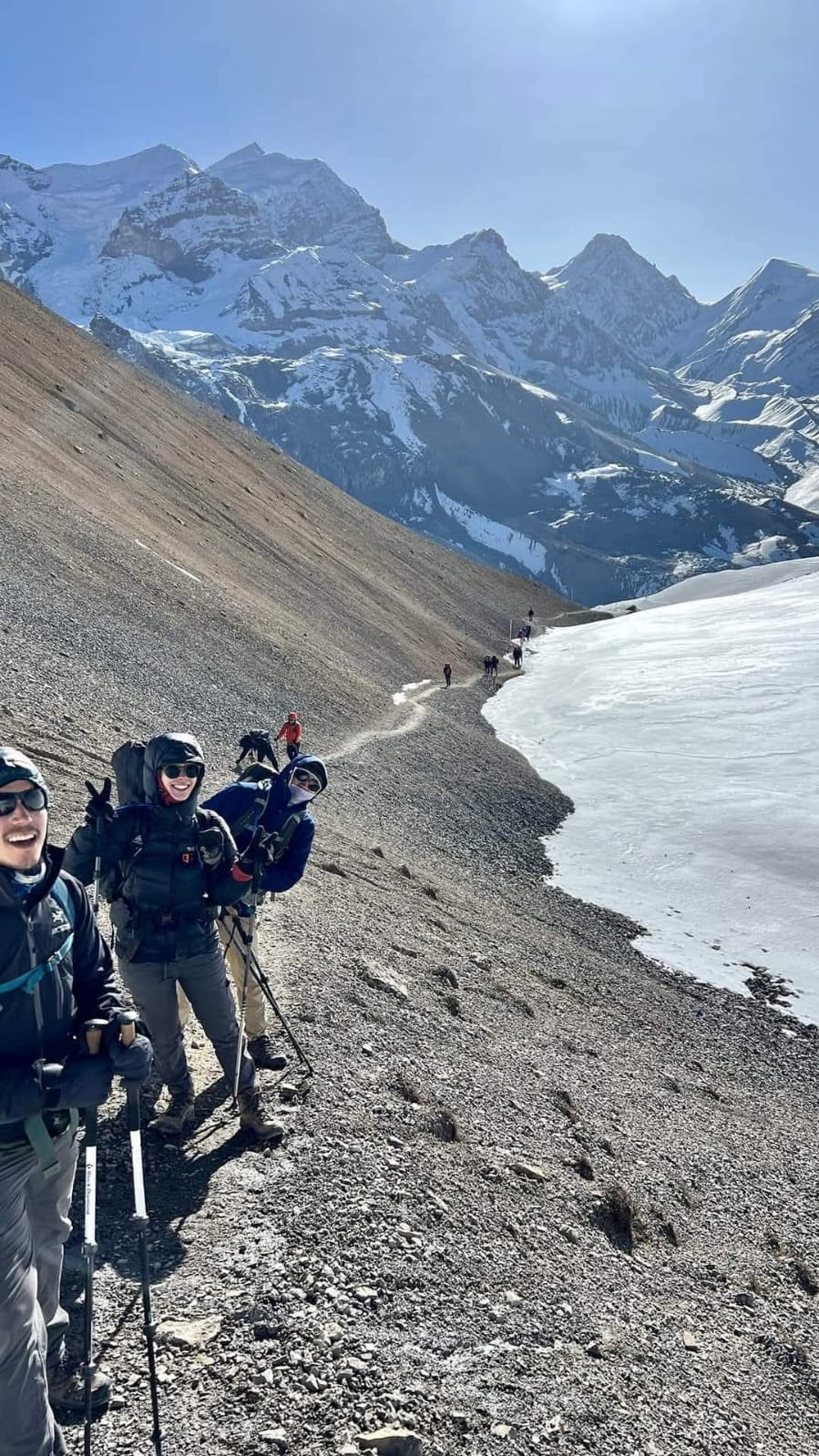
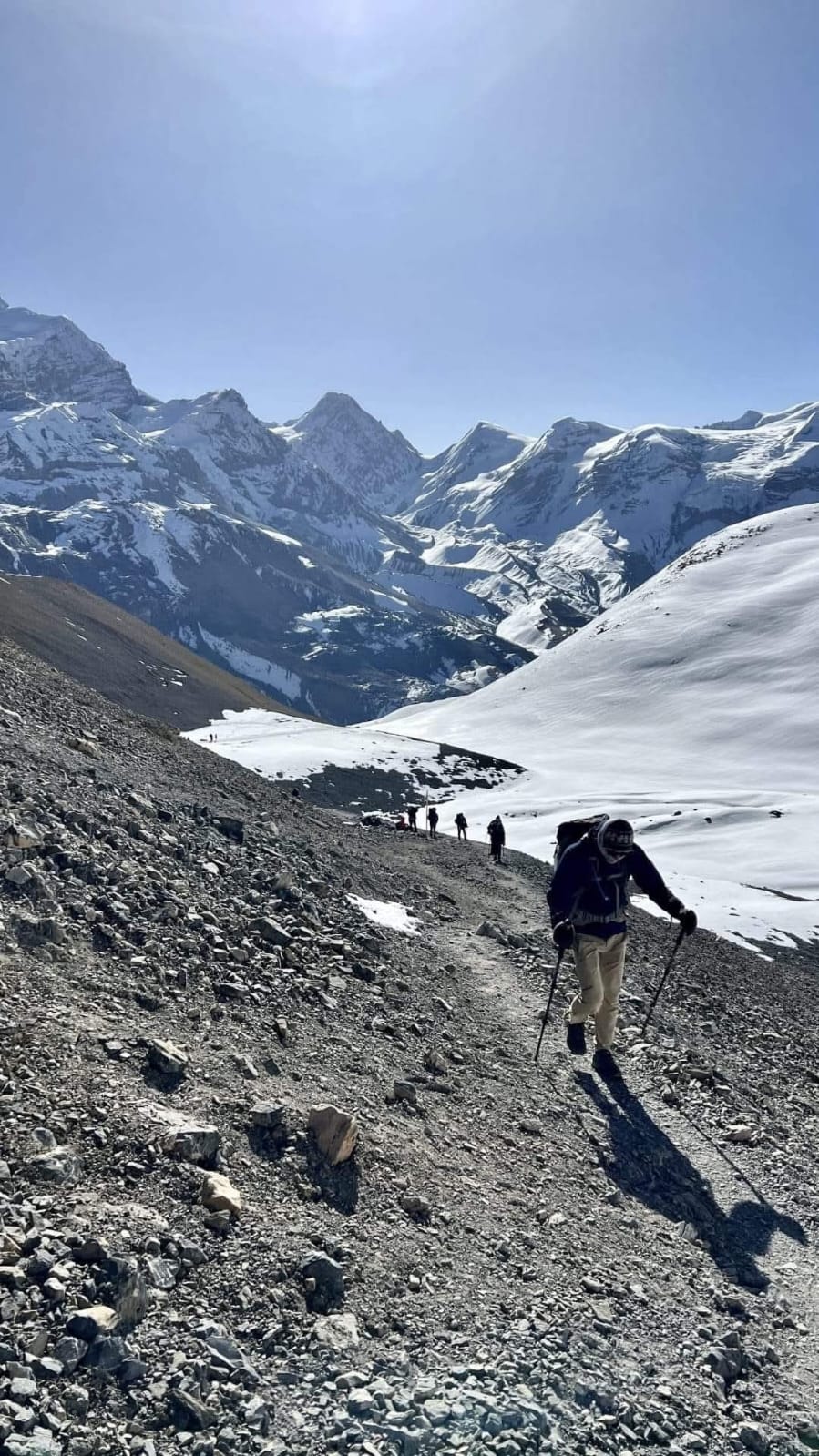
One of the most exciting parts of the Annapurna Circuit Trek is crossing the Thorong La Pass. This is the highest point on the trek, at 5,416 meters. It can be challenging because of the cold and thin air, but the view from the top is amazing. From there, you can see the mountains all around, which is a memory you will never forget.
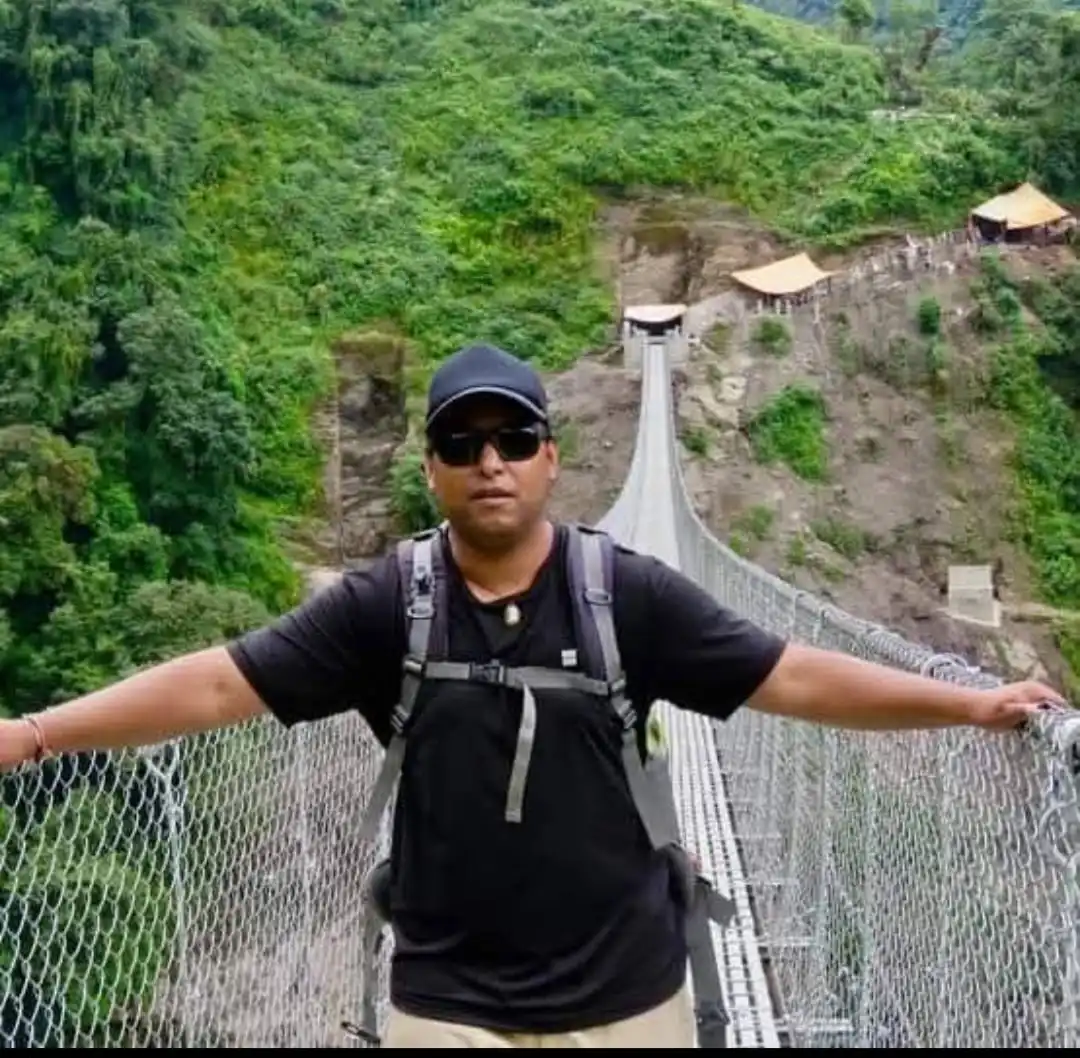
The trail also passes through beautiful forests with rhododendron and pine trees, and sometimes you may see animals like monkeys, birds, or even Himalayan tahr. You will walk along rivers and streams, and sometimes the trail goes through rocky paths or small suspension bridges. Every day of walking is different, and the scenery keeps changing, which makes the trek exciting.
Along the way, you can stay in teahouses, which are small lodges run by local families. They serve food like dal bhat, noodles, or soups, and you can rest your feet before the next day’s walk. The trek can take around 14 to 21 days, depending on your pace and route.
The Annapurna Circuit Trek is not just about walking. It is about discovering Nepal’s nature, culture, and the kindness of its people. It is an adventure that tests your strength, but also gives you a sense of peace and happiness. This trek is perfect for anyone who loves mountains, culture, and exploring new places.
Annapurna Circuit Trek Highlight
- Thorong La Pass (5,416 m) – The highest point of the trek with amazing views of snow-capped mountains.
- Diverse Landscapes – Walk through green valleys, forests, rivers, and rocky mountain paths.
- Cultural Villages – Meet local people from Gurung, Thakali, and other communities and see their traditions.
- Rivers and Waterfalls – Cross beautiful rivers and small waterfalls along the trail.
- Rhododendron Forests – Colorful forests full of rhododendron and pine trees, especially beautiful in spring.
- Annapurna and Dhaulagiri Views – Enjoy clear views of some of the highest mountains in the world.
- Teahouse Experience – Stay in cozy local lodges, taste Nepali food, and rest for the next day.
- Suspension Bridges – Walk across small, exciting bridges over rivers and valleys.
- Wildlife Spotting – Sometimes see monkeys, Himalayan tahr, and many colorful birds in the forests.
- Changing Climates – Experience warm valleys, cool forests, and cold high mountains in a single trek.
Annapurna Circuit Trek Itinerary
Expand AllToday, you will arrive at Tribhuvan International Airport in Kathmandu. After landing, a friendly guide will meet you and transfer you to your hotel in the city. You can relax after your flight and enjoy the first glimpse of Nepal’s lively streets and mountains in the distance.
In the afternoon, there is time to prepare for the trek. You can check your trekking gear, buy any last-minute supplies, and make sure your backpack is ready. Kathmandu is full of cultural sites, so you may also visit local markets, temples, or simply enjoy the city atmosphere.
This day is mainly for rest and preparation. Walking distance is minimal today, but it is important to stay hydrated and get a good sleep. Tomorrow, the real adventure of the Annapurna Circuit Trek begins as you head toward the mountains.
Today, you will start your journey toward the mountains. After breakfast in Kathmandu, you will take a scenic drive to Syange. The drive usually takes about 6–7 hours and covers around 140 km. On the way, you will pass through small towns, rivers, and beautiful green valleys. The views of hills and farmland are peaceful and give a first taste of the natural beauty of Nepal.
When you reach Syange, you can take a short walk around the village to stretch your legs after the drive. This is also a good time to check your trekking gear and get ready for the next day’s walk. Spending the night in a local lodge in Syange allows you to rest well before starting the Annapurna Circuit Trek trail tomorrow.
Today, your trekking adventure begins in the mountains. From Syange, you will walk along the Marsyangdi River and pass through small villages and terraced fields. The trail is gentle at first, making it a good start for the trek. You will cover around 18 km today, which may take 6–7 hours depending on your pace.
Along the way, you can see local people working in the fields and children going to school. The path goes through forests of pine and rhododendron, offering a peaceful atmosphere and fresh mountain air. You may also cross suspension bridges over rivers, which adds some excitement to the journey.
When you reach Dharapani, you can rest in a cozy teahouse and enjoy a warm meal. This is a good place to relax, hydrate, and prepare for the next day’s trek, as the trail will start to climb more steeply toward higher mountains.
Today, your trek continues as you walk from Dharapani to Chame. The trail gradually climbs through forests, small villages, and terraced farmland. You will cover around 12 km today, which may take 5–6 hours depending on your pace.
Along the way, you can enjoy views of the Marsyangdi River and the surrounding hills. The forests are filled with pine and rhododendron trees, which are especially colorful in spring. You may see local people tending their farms and children walking to school, giving a glimpse of daily life in the mountains.
When you reach Chame, the administrative center of the Manang region, you will find cozy teahouses to rest. The altitude is higher today, so it is important to take it slow, drink water, and let your body adjust. Chame offers beautiful mountain views and a calm place to prepare for tomorrow’s trek.
Today, you will walk from Chame to Upper Pisang, enjoying more views of the Annapurna and Manang mountains. The trail is around 10 km and usually takes 4–5 hours. The path gradually climbs and passes through pine and rhododendron forests, small villages, and terraced fields.
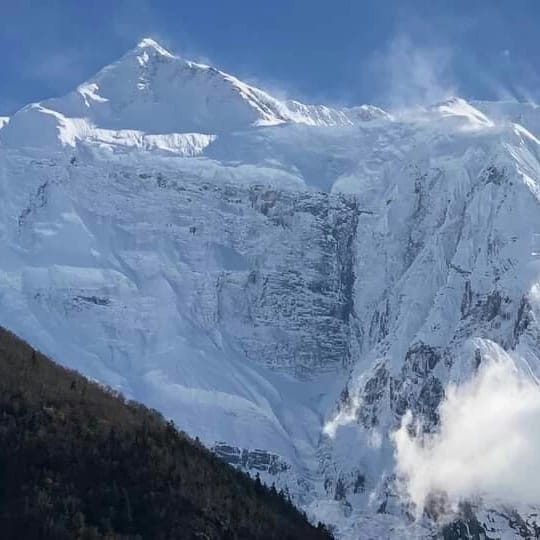
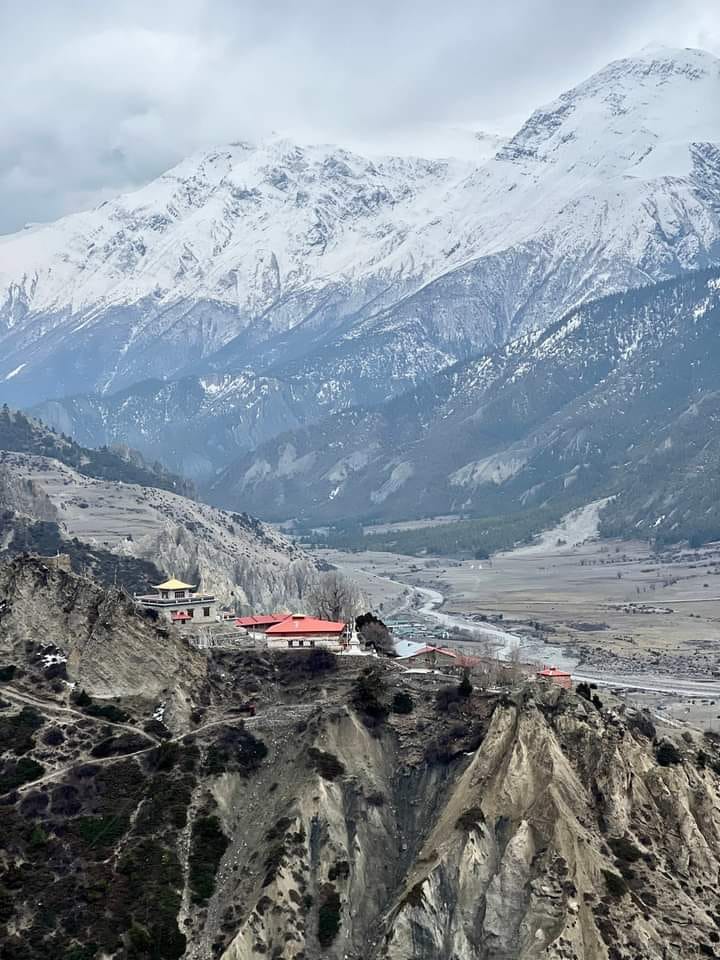
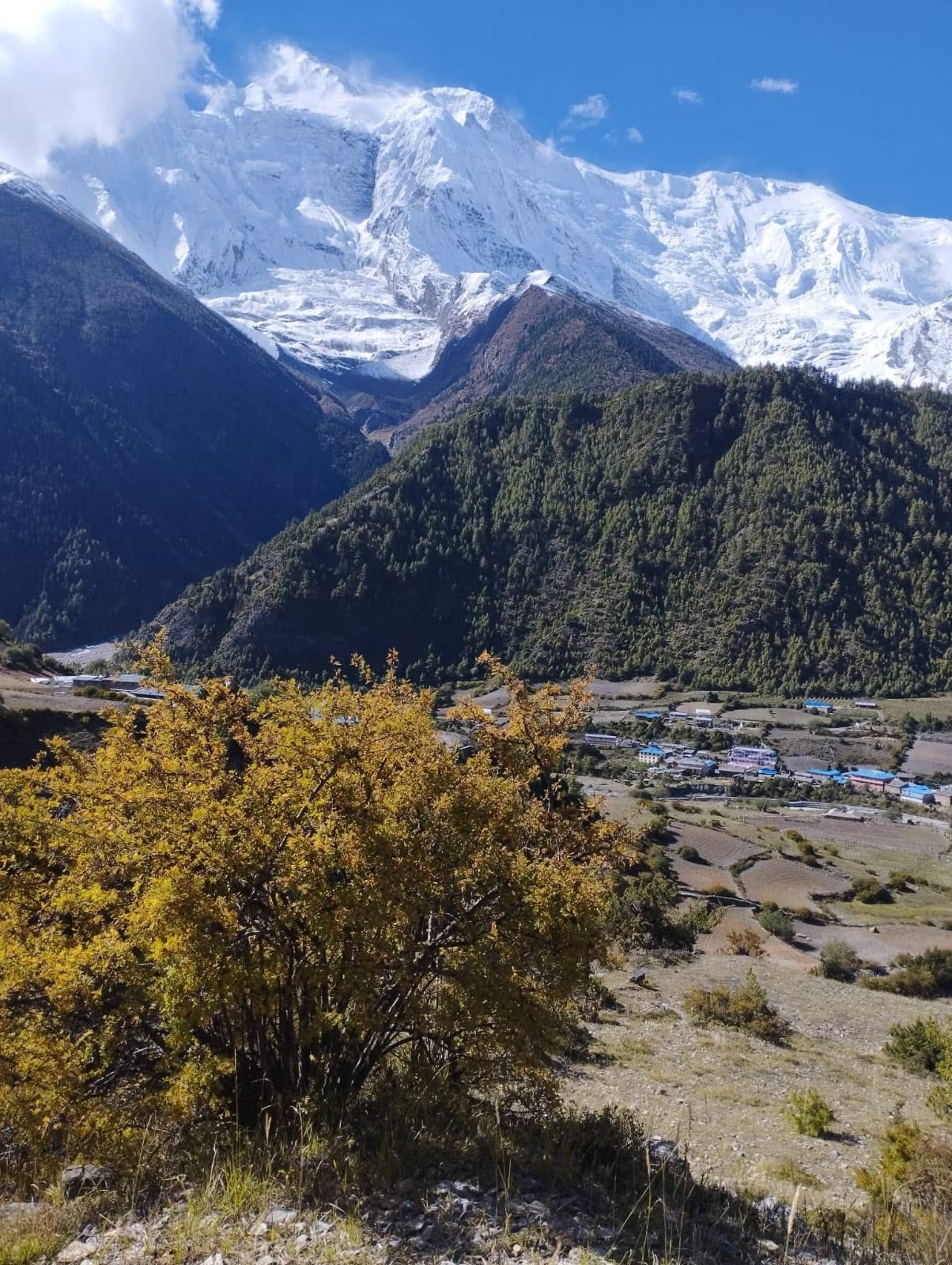
Along the way, you can see local life as people tend their farms and children go to school. The trail also gives you beautiful views of the Marsyangdi River and surrounding peaks. Upper Pisang is a quiet village with stone houses and narrow paths. From here, you can enjoy views of Pisang Peak and Annapurna II.
The altitude is higher today, so it is important to walk slowly, drink water, and rest when needed. Staying in a local teahouse in Upper Pisang allows you to prepare for the next day’s climb toward Manang.
Today, you will trek from Upper Pisang to Manang, covering around 12 km. The trail gradually climbs and offers stunning views of Annapurna II, Gangapurna, and Pisang Peak. You will walk through pine and rhododendron forests, cross small streams, and pass by traditional villages along the way.
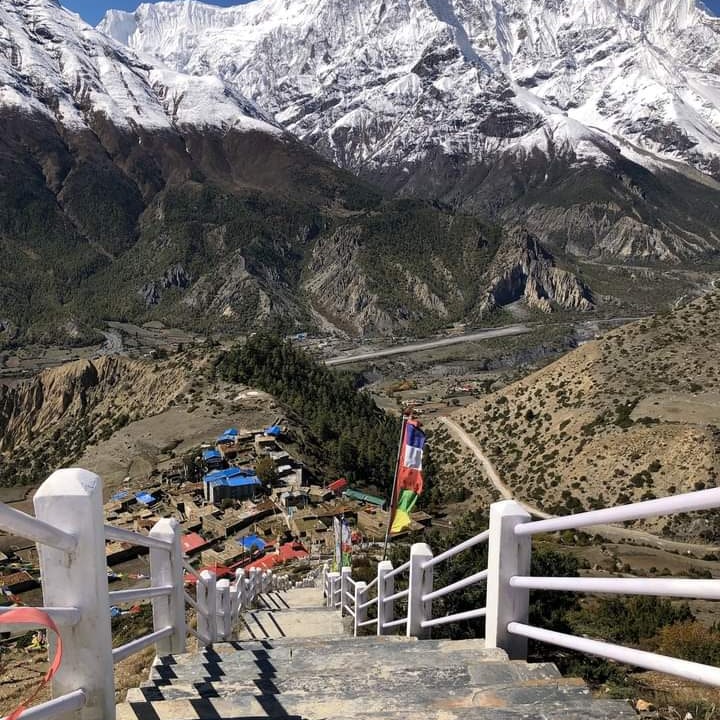
The villages show local culture, and you may see people farming or carrying supplies along the trail. The path gives several spots to rest and enjoy the scenery. As you approach Manang, the landscape starts to feel more alpine, with fewer trees and more open views of snow-capped peaks.
Manang is a small, peaceful village that is a good place to rest and adjust to the higher altitude. Staying here allows you to prepare your body for the next challenging part of the trek while enjoying the calm mountain surroundings.
Today is a rest day in Manang, which gives your body time to adjust to the higher altitude. Manang is a quiet village surrounded by snow-capped mountains and beautiful alpine scenery. You can take short walks around the village, explore the small paths, and enjoy views of Annapurna II, Gangapurna, and Tilicho Peak.
During the day, you may visit local monasteries or interact with people to learn about their culture and daily life. This is also a good day to check your trekking gear, relax in a teahouse, and eat nutritious meals to prepare for the next part of the trek.
Even though you are not walking long distances today, it is important to drink plenty of water and rest. The altitude in Manang is higher than previous stops, so taking this day slowly helps prevent altitude sickness and keeps you ready for the climb ahead.
Today, you will trek from Manang to Yak Kharka, covering around 10 km. The trail gradually climbs through an open landscape with fewer trees, giving clear views of the surrounding mountains such as Annapurna II and Gangapurna. You may also see glaciers and rocky areas as the terrain becomes more alpine.
Along the way, you will pass small settlements and yak pastures. These areas are home to local herders who raise yaks for milk, cheese, and transport. The fresh mountain air and peaceful surroundings make the walk enjoyable even though the altitude is higher than previous days.
Yak Kharka is a small village with cozy teahouses where you can rest and have warm meals. Staying here allows your body to adjust to the altitude while preparing for the next climb toward Thorong La Pass. Drinking water and walking slowly today helps prevent altitude sickness.
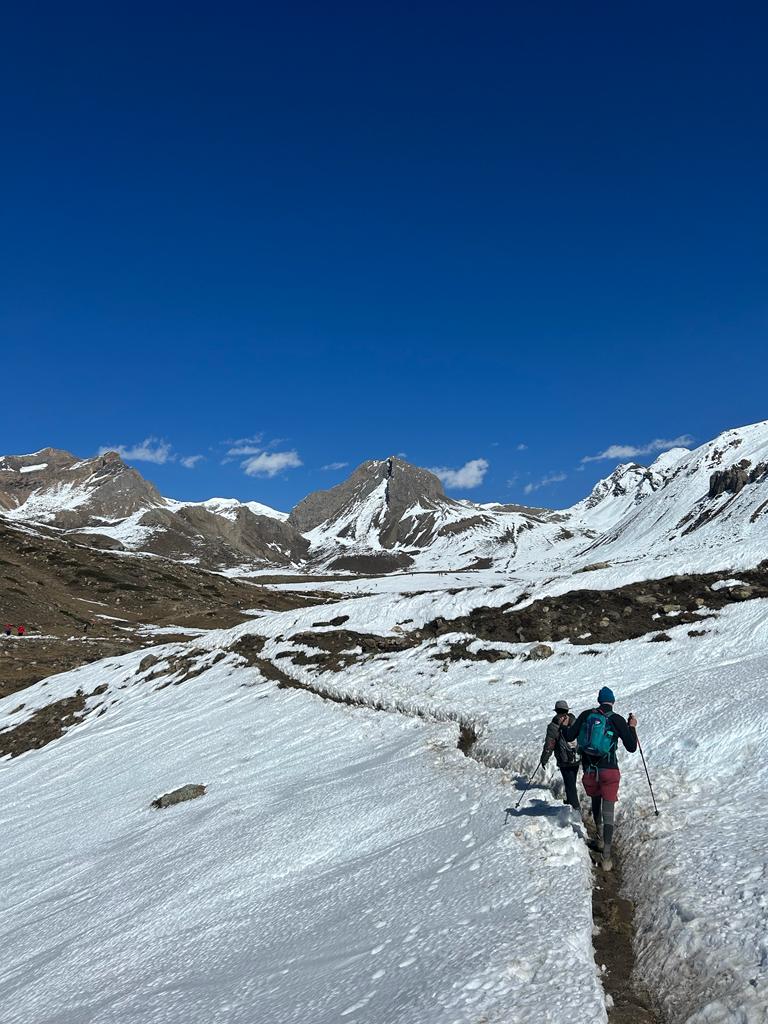
Today, you will trek from Yak Kharka to Thorong Phedi, covering around 7 km. The trail gradually climbs through open alpine terrain with rocks, shrubs, and small streams. You will enjoy clear views of Annapurna II, Gangapurna, and nearby peaks as you walk.
Along the way, you may see yaks grazing and local herders carrying supplies. The air feels thinner at this altitude, so it is important to walk slowly and take breaks. The terrain is rocky but manageable, and the scenery gives a real sense of being high in the mountains.
Thorong Phedi is a small settlement just below Thorong La Pass. Staying here allows your body to rest and prepare for the early morning climb over the pass. Drinking enough water and eating well today helps reduce the risk of altitude sickness and keeps you ready for tomorrow’s challenging walk.
Today is one of the most important days of the trek as you cross Thorong La Pass. You will start early in the morning from Thorong Phedi and trek around 13 km to reach Muktinath. The climb to the pass, at 5,416 m, can be steep and challenging, so it is important to walk slowly and take breaks to enjoy the stunning mountain views.
After reaching the pass, you will begin the descent toward Muktinath. The landscape changes from rocky and alpine terrain to more gentle slopes with prayer flags and small streams along the path.
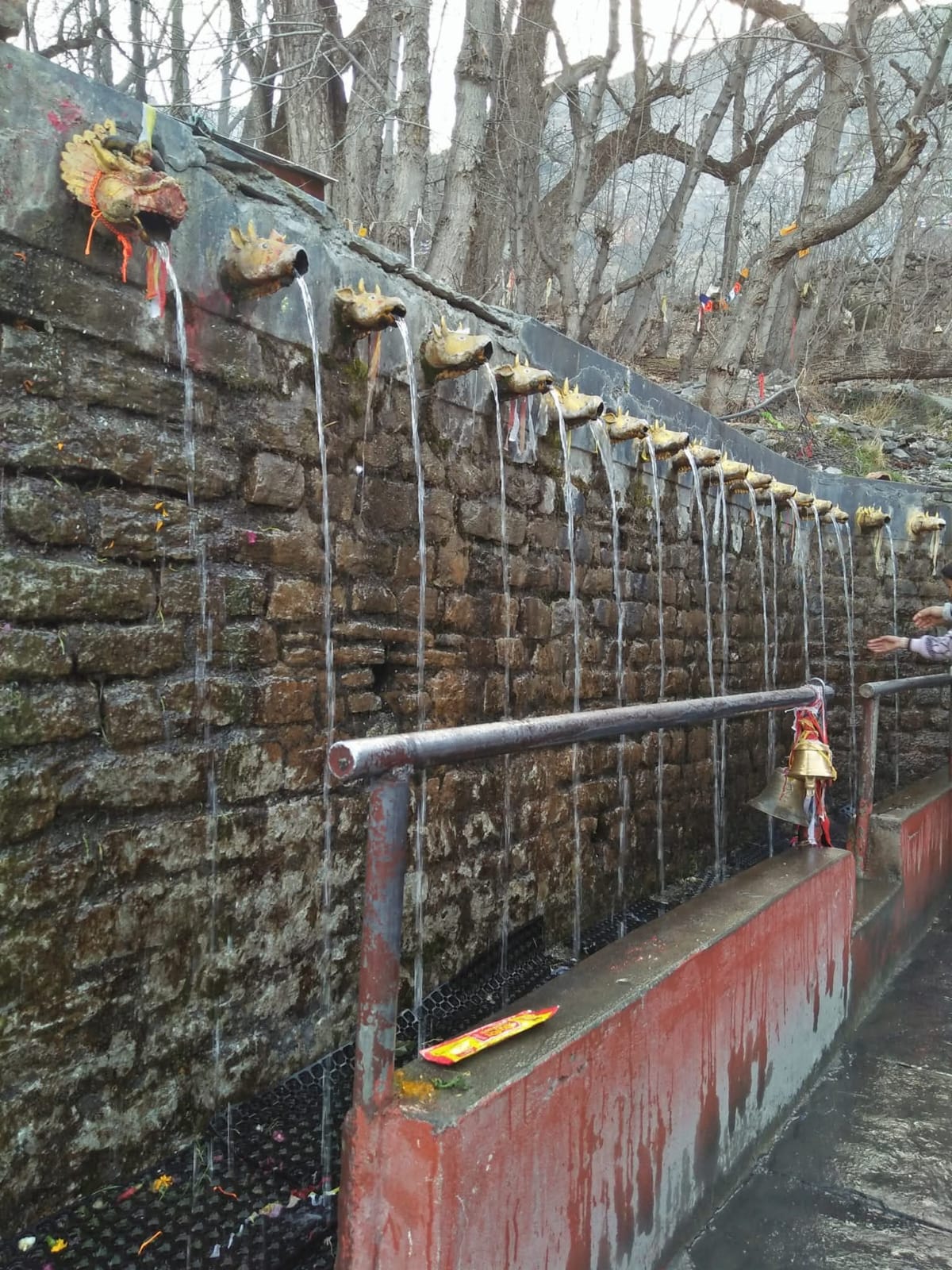
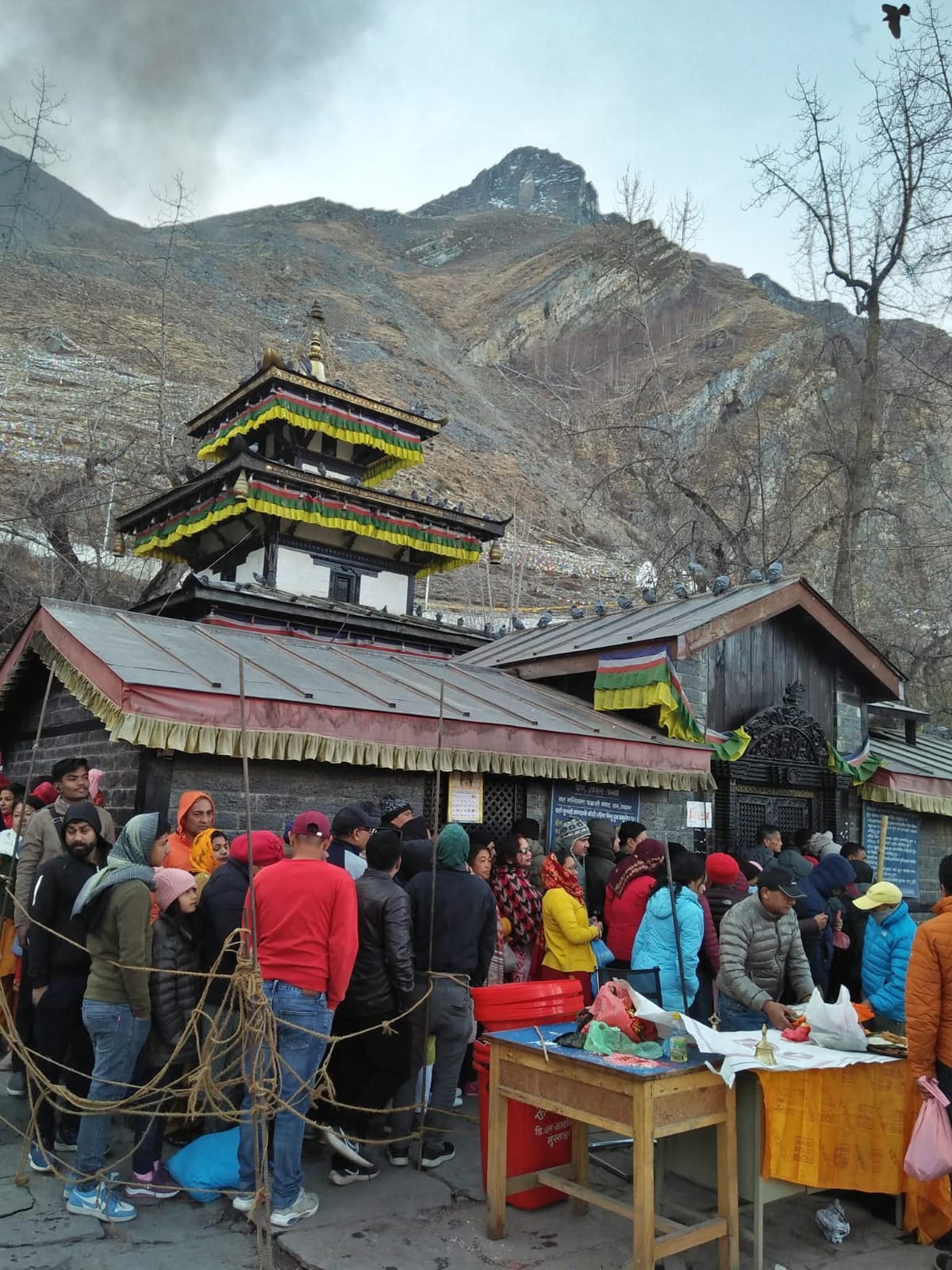
Muktinath is a sacred place for both Hindus and Buddhists. You can visit the temple and nearby holy springs. Staying here allows your body to rest after the long climb, and the peaceful surroundings give a sense of achievement and calm after the challenging day.
Today, you will trek from Muktinath to Jomsom, covering around 19 km. The trail gently descends along the Kali Gandaki River, giving clear views of the surrounding mountains. You will walk through rocky paths, small villages, and wide open valleys.
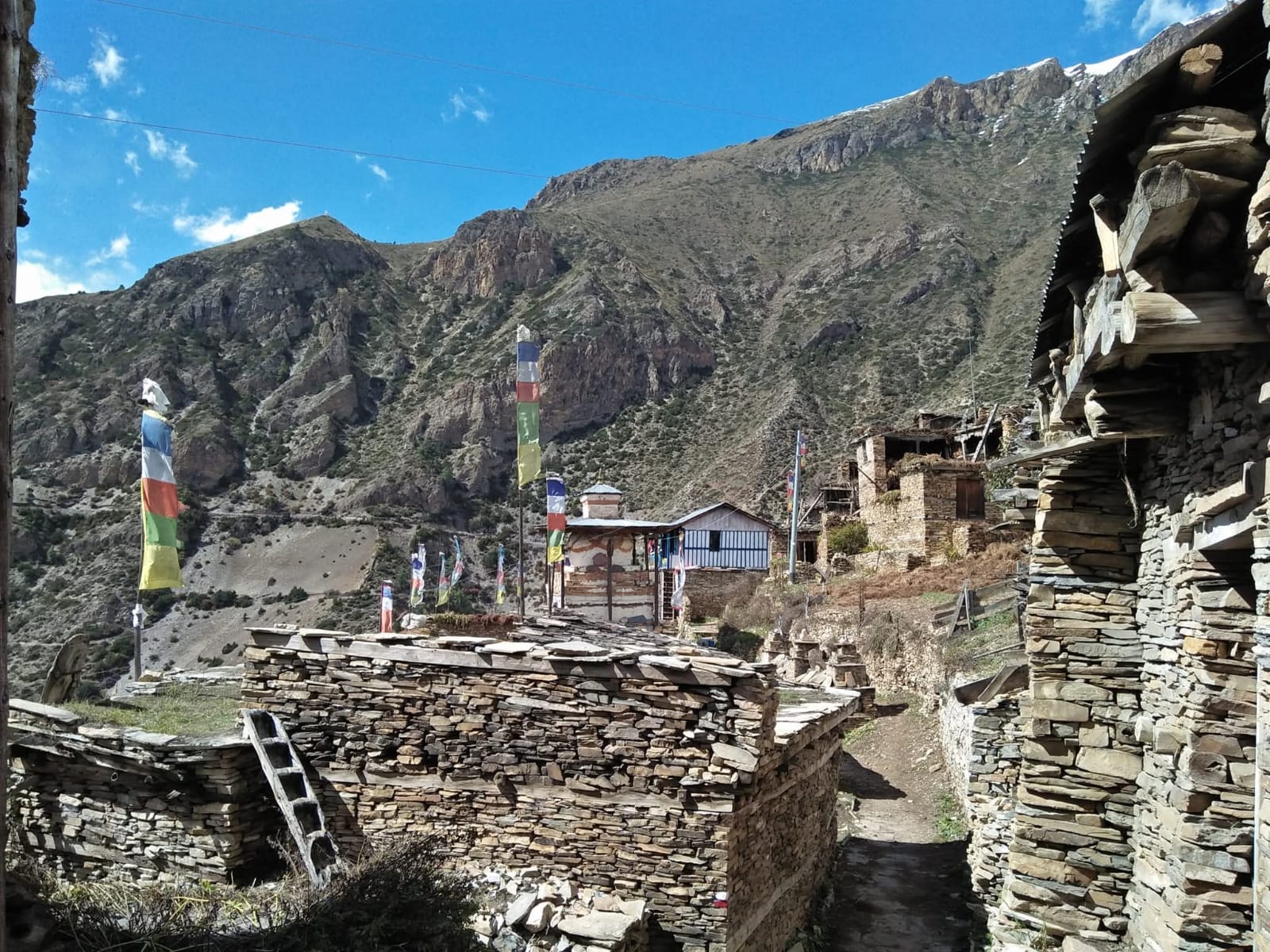
Along the way, you can see local life in the villages, including fields and traditional stone houses. The landscape changes from alpine areas to warmer, drier valleys. You may also notice prayer flags and small stupas along the path, reflecting the local culture.
Jomsom is a lively town and the district headquarters of Mustang. Staying here allows you to rest and enjoy the local market, have a warm meal, and prepare for the next day’s short trek or flight option. The lower altitude and easy walking today help your body recover from the high climb at Thorong La Pass.
Today, you will leave Jomsom and drive to Pokhara, covering around 200 km. The drive takes about 6–7 hours and passes through the beautiful Kali Gandaki Valley, hills, rivers, and terraced farmland. The road winds along mountains, giving clear views of snow-capped peaks and small villages.
Along the way, you may stop at scenic spots to take pictures or enjoy short walks. The drive allows you to relax after many days of trekking while still experiencing the natural beauty of Nepal.
Pokhara is a peaceful city beside Phewa Lake and surrounded by mountains. Staying here allows you to rest, enjoy the city, and explore local cafes, shops, or the lakeside area. This day is mainly for recovery and preparation for the final day in Kathmandu or onward travel.
Today, you will leave Pokhara and drive back to Kathmandu, covering around 200 km. The drive usually takes about 6–7 hours and passes through hills, rivers, and small towns. Along the way, you can enjoy views of farmland, forests, and distant mountains.
This day is mostly for relaxation after many days of trekking. You can rest in the vehicle, take short breaks at scenic spots, and enjoy local snacks along the route. The drive gives you a chance to reflect on the journey through the Annapurna region and appreciate the beauty and diversity of Nepal.
When you reach Kathmandu, you will check into your hotel. The evening is free to rest, explore local markets, or enjoy a traditional Nepali meal. This day helps your body recover and prepares you for the final departure tomorrow.
Today is the final day of your Annapurna Circuit Trek journey. After breakfast, you will be transferred from your hotel to Tribhuvan International Airport in Kathmandu. The drive is short, usually around 20 km, and gives you time to enjoy the city one last time.
During the airport transfer, you can reflect on your trek and the experiences you have had over the past two weeks. You have seen snow-capped mountains, crossed high passes, visited traditional villages, and met local people along the way.
At the airport, you will complete your departure procedures and board your flight home or to your next destination. This day marks the end of an unforgettable journey through Nepal’s mountains. The memories of the Annapurna Circuit Trek will stay with you for a long time, reminding you of the beauty, culture, and adventure of the region.
Note : This is a basic itinerary and can be adjusted according to your schedule and preferences. We offer full board service, guide-only service, porter-only service, or fully customized packages. Please contact us via email or WhatsApp to discuss your needs.
Annapurna Circuit Trek Includes/Exclude
Cost Include
- Airport Arrival and Departure by private vehicle.
- Accommodation at a 3-star standard category hotel in Kathmandu for two nights.
- Accommodation at a 3-star standard category hotel in Pokhara.
- Daily breakfast at Kathmandu and Pokhara.
- All ground transfers as per itinerary.
- English-speaking trekking guide and required number of porters as per group size.
- Twin/Double sharing guesthouse/tea house accommodation during the trek as per the itinerary.
- Meals-Breakfast, Lunch, Dinner and also one cup of tea/coffee everyday during the trek.
- Wages, Medical, Travel Insurance, Salary, Meals, Accommodation equipment for guide, supportive crew and all applicable taxes.
- First-aid medical kit with an oximeter to check your pulse and oxygen level while on the trek.
- Seasonal fresh fruit throughout the trek.
- Annapurna Conservation Area Project permit.
Cost Exclude
- Nepal visa fee (can be obtained upon arrival at the airport/border).
- International airfare and taxes to/from Kathmandu.
- Meals: lunch and dinner in Kathmandu.
- Your travel insurance.
- Any kind of beverage.
- Personal expenses and extra trips/services not included in the service.
- Personal trekking Clothing/Gears.
- Tipping/Gratuities.
- Expenses caused by unforeseen circumstances such as bad weather, natural disaster, political issues, personal illness, etc.
- All the bar bills and personal expenses (Phone call, Laundry services, WiFi, Battery recharge, a bottle of water, Hot water, Desert and Shower).
- Your high altitude emergency travel insurance.
- Tips for Guide and Porter.
- Any other expenses not mentioned in the “Included” section.
Annapurna Circuit Trek Gallery/Video
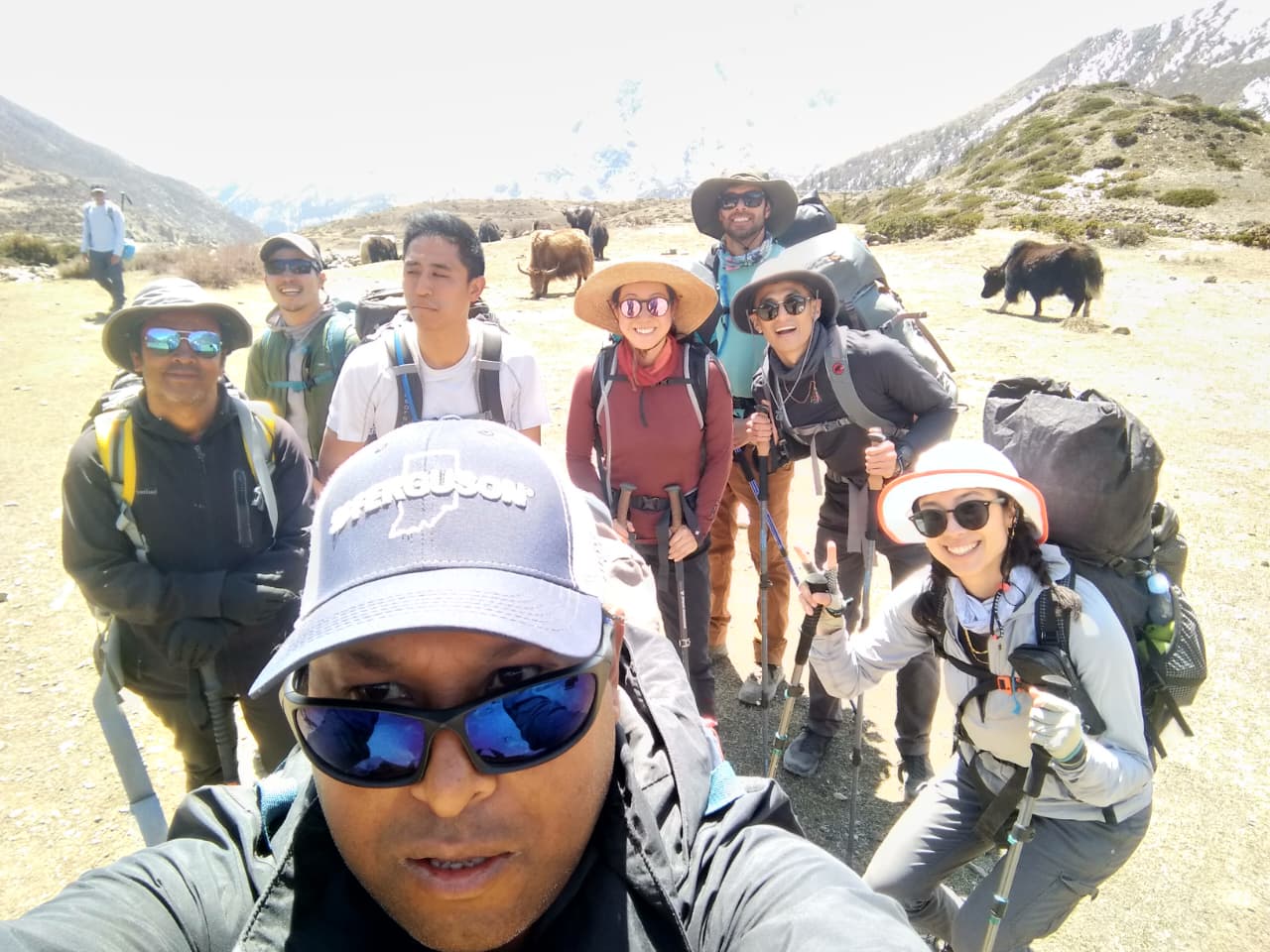
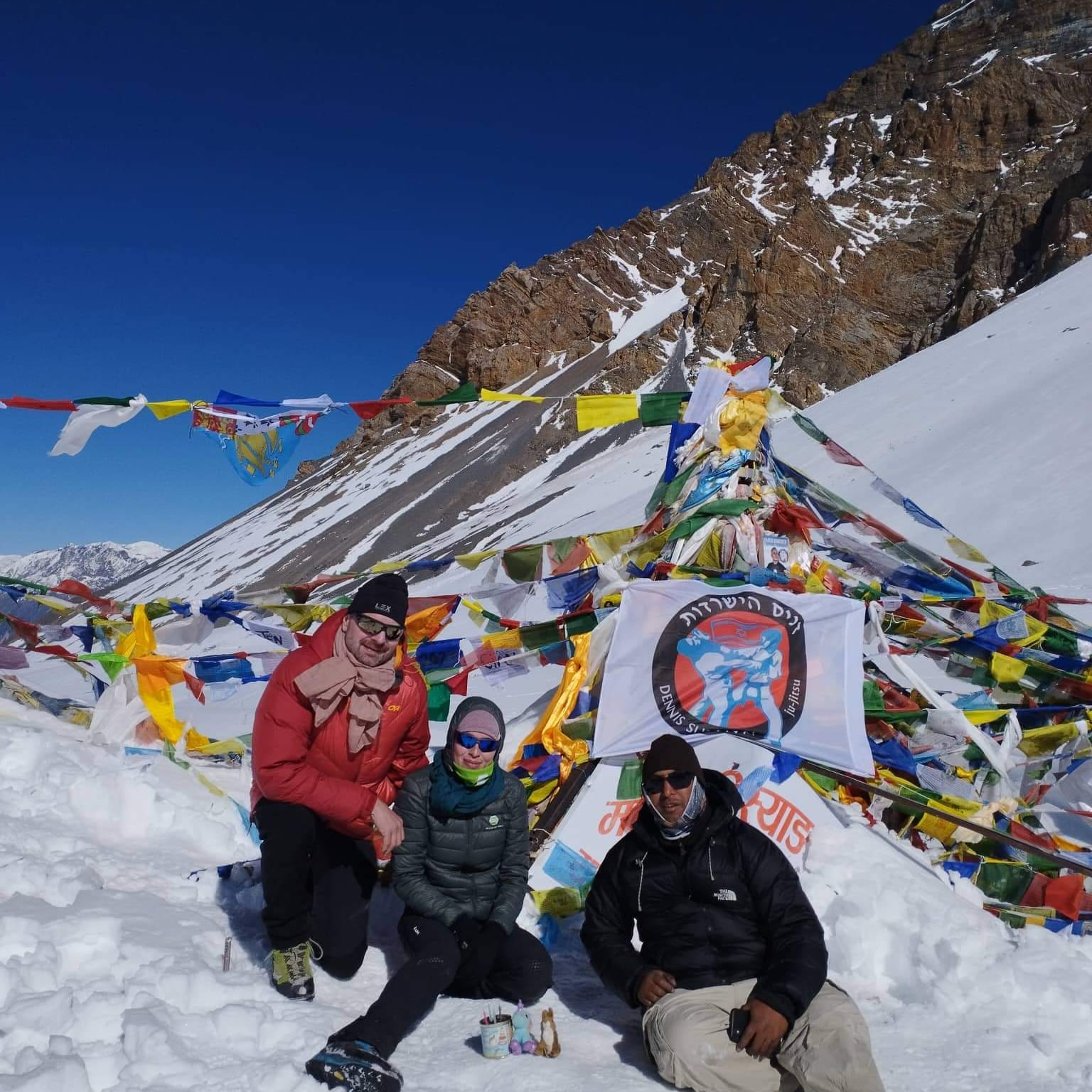
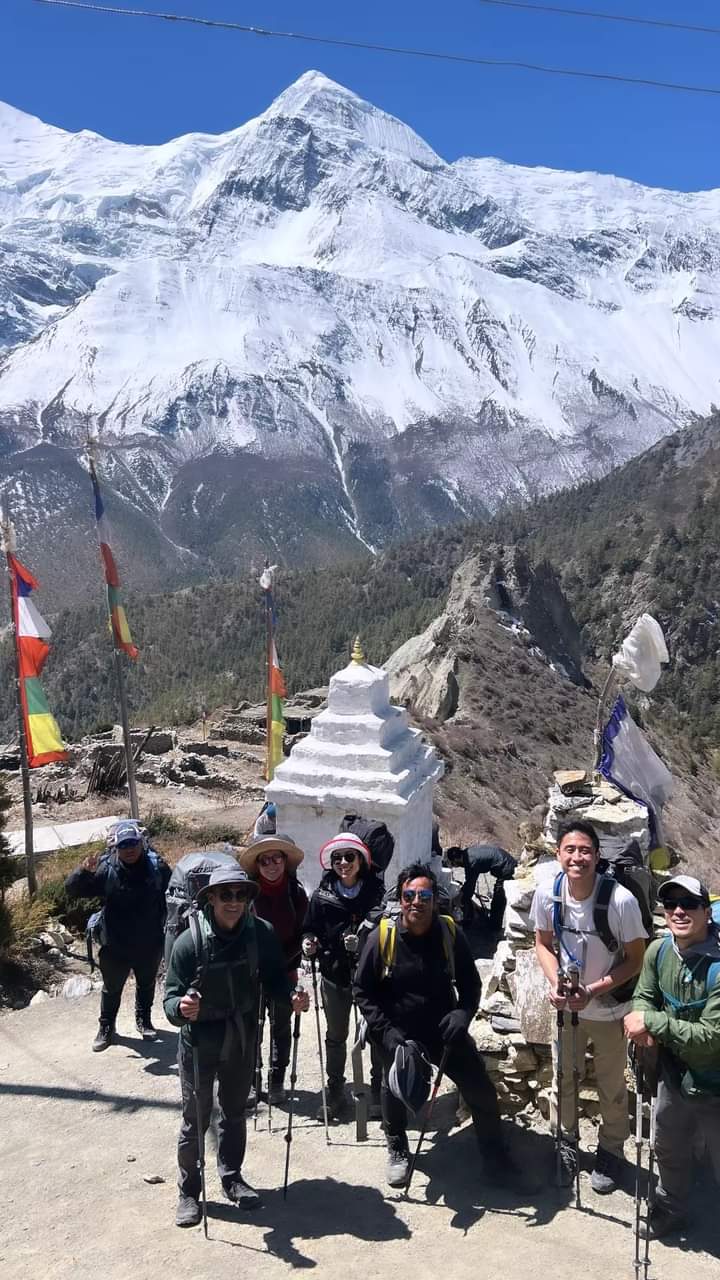
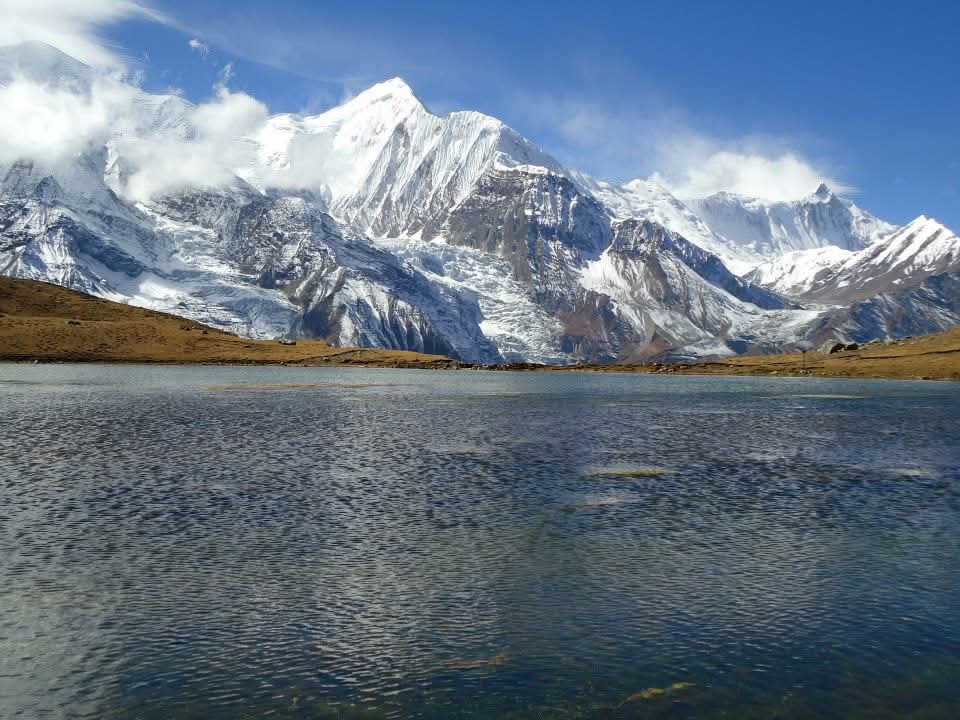
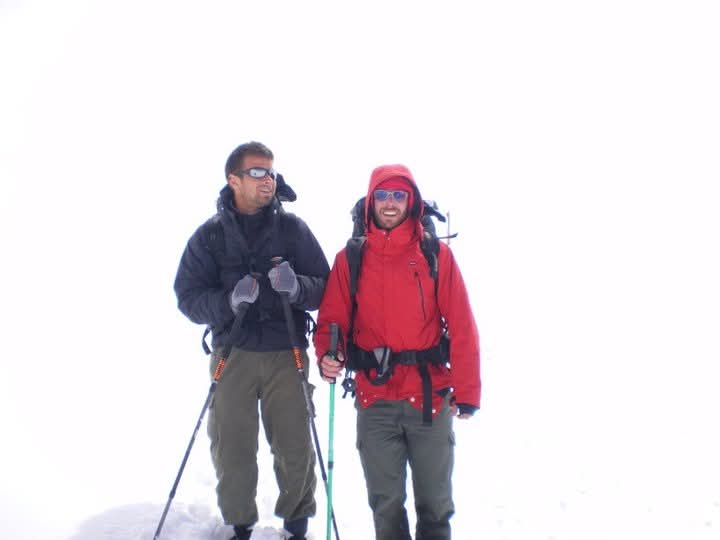
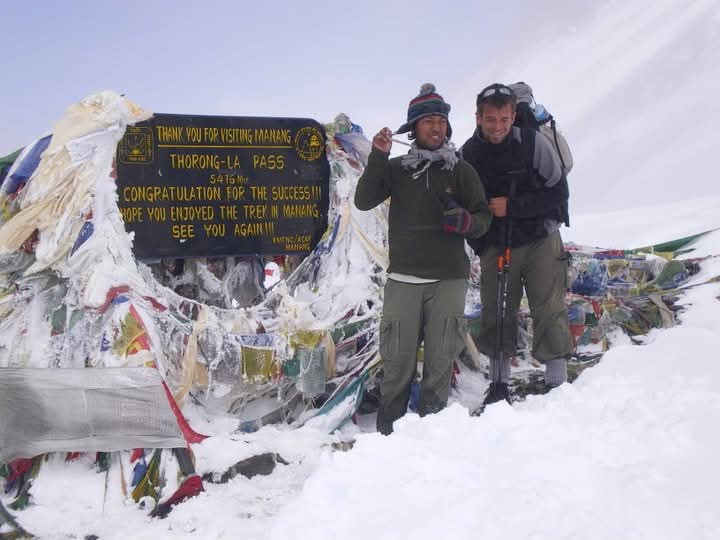
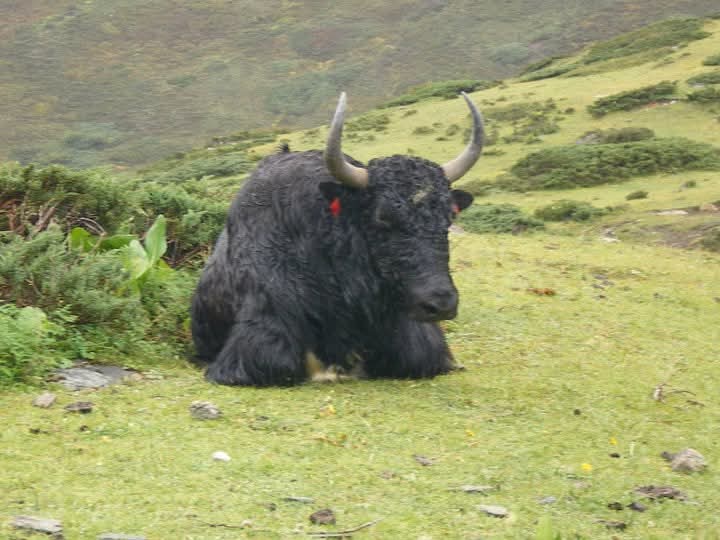
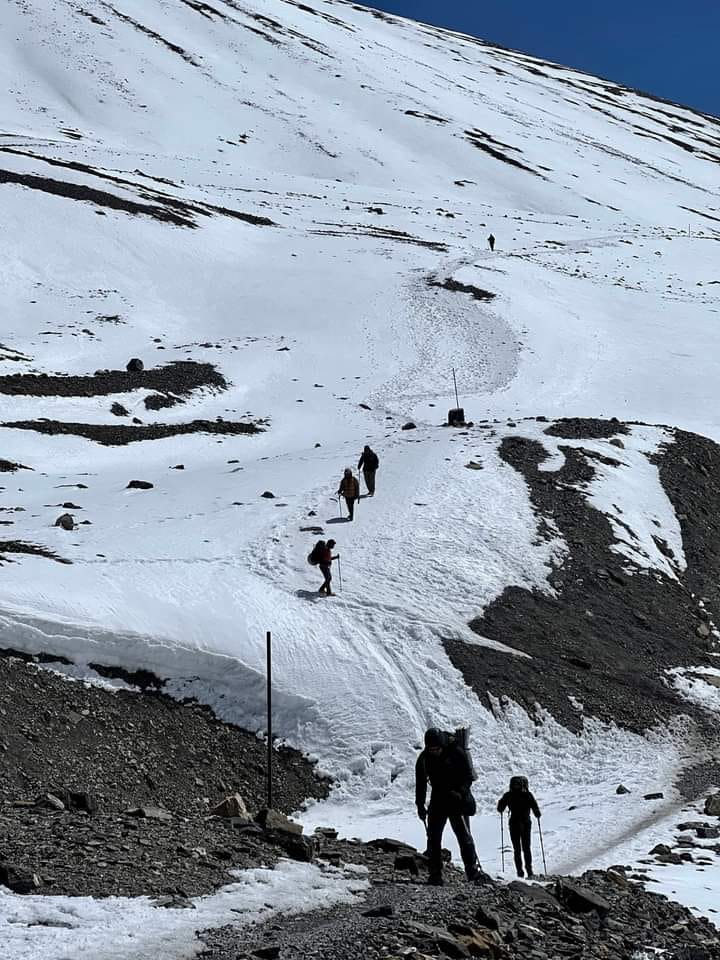
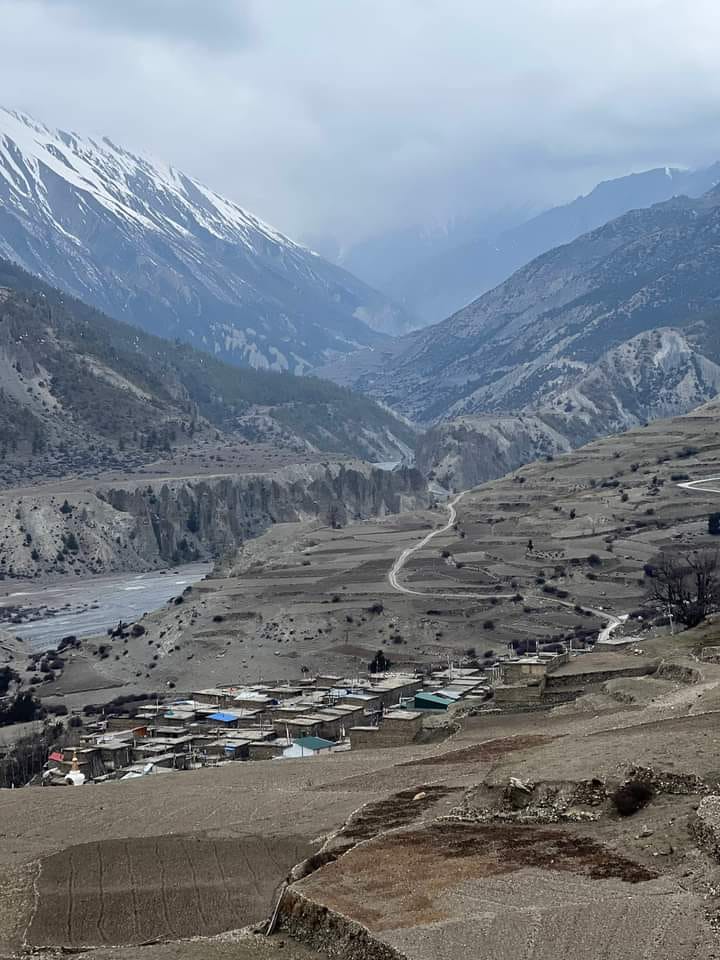
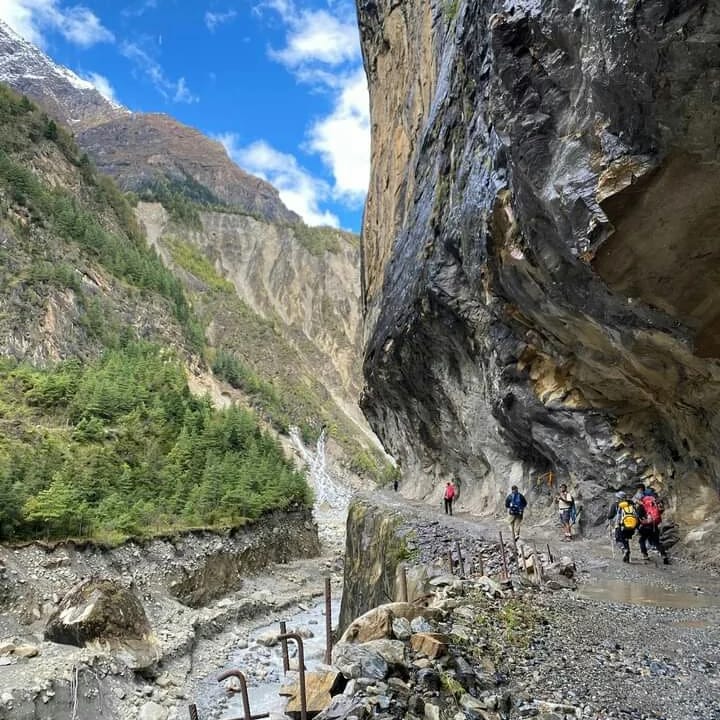
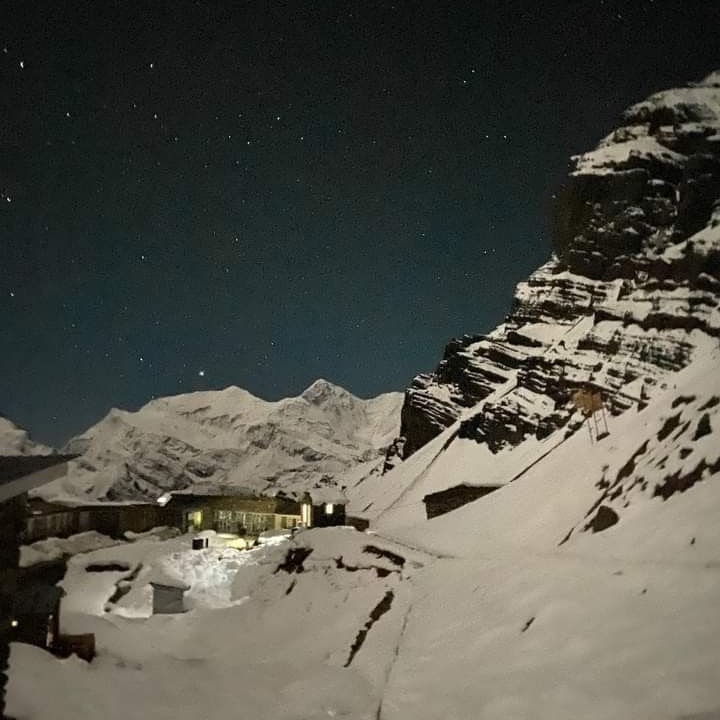
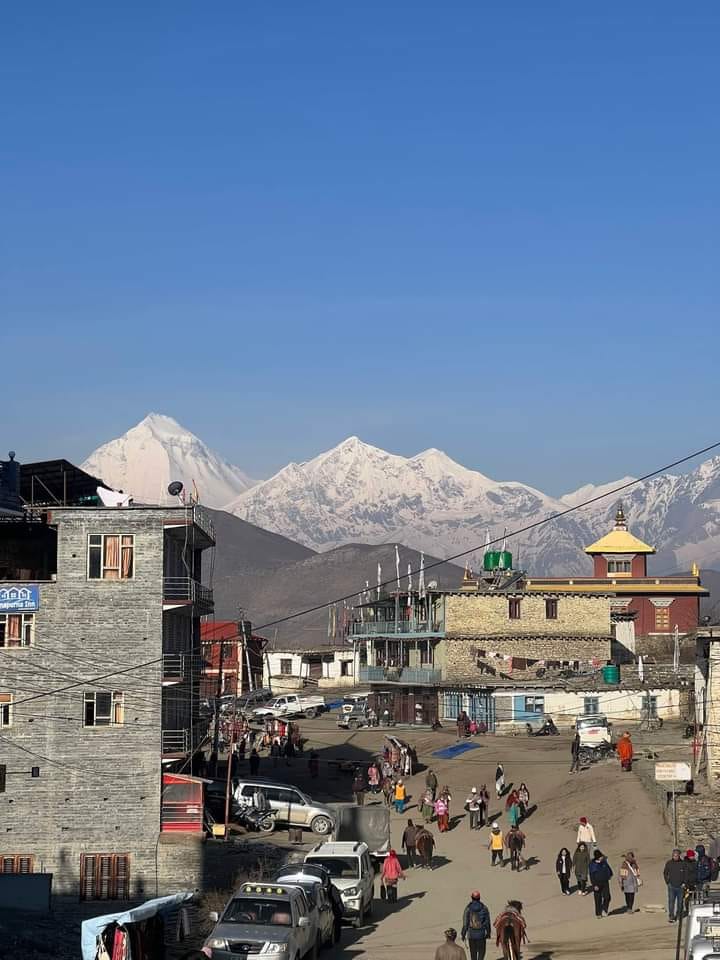
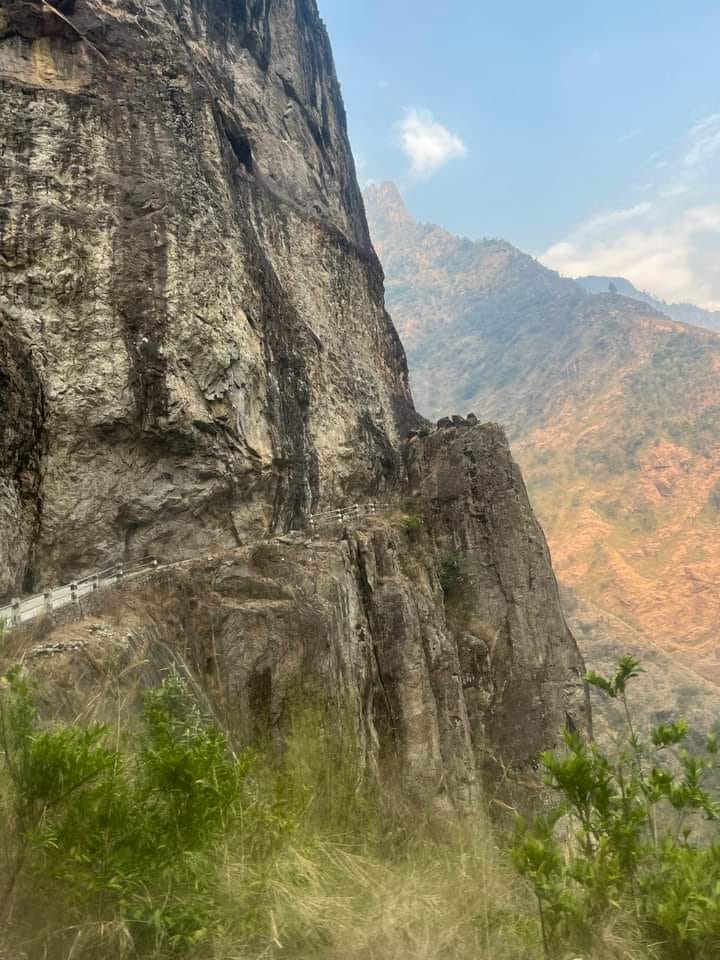
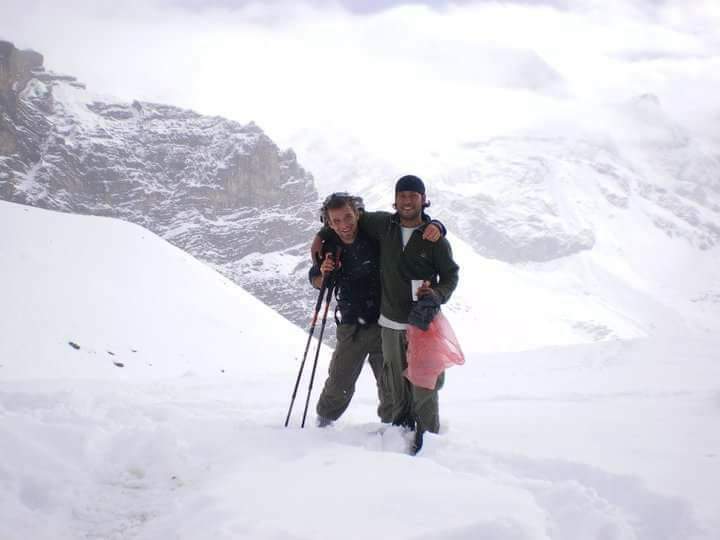
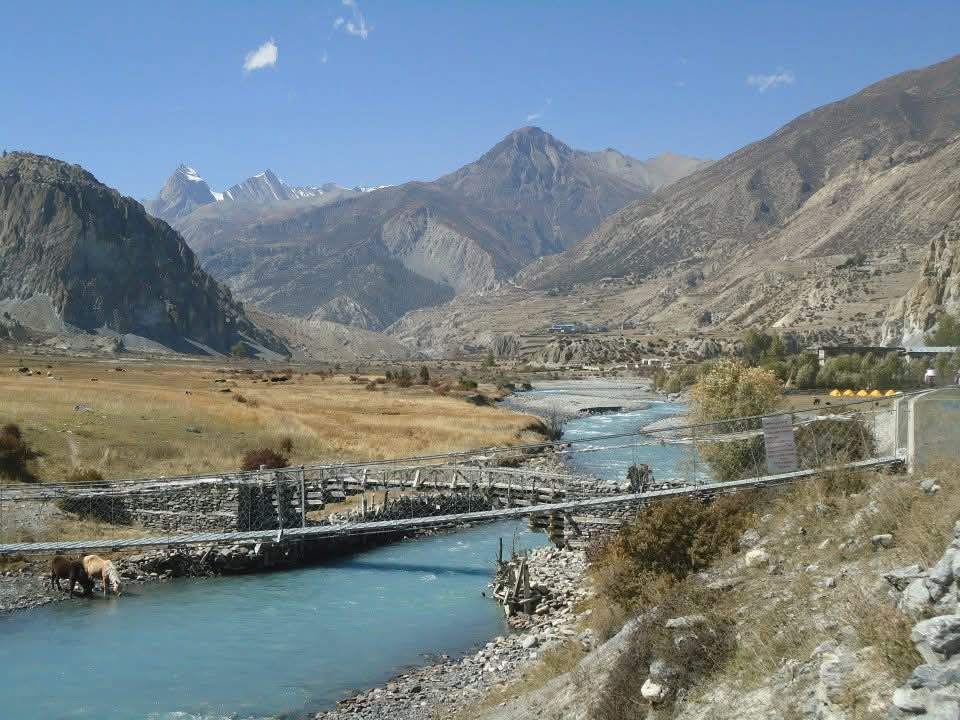
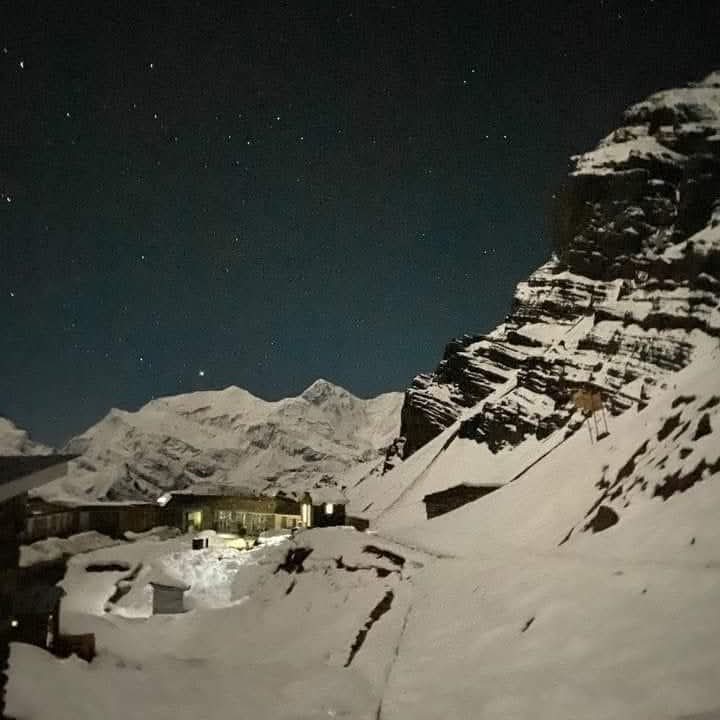
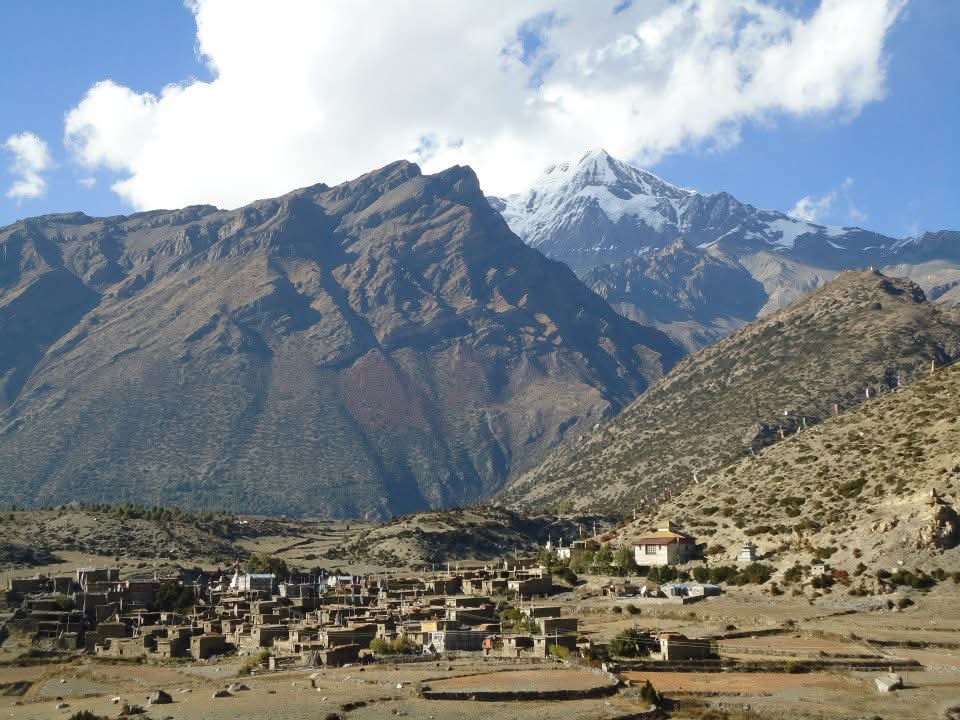
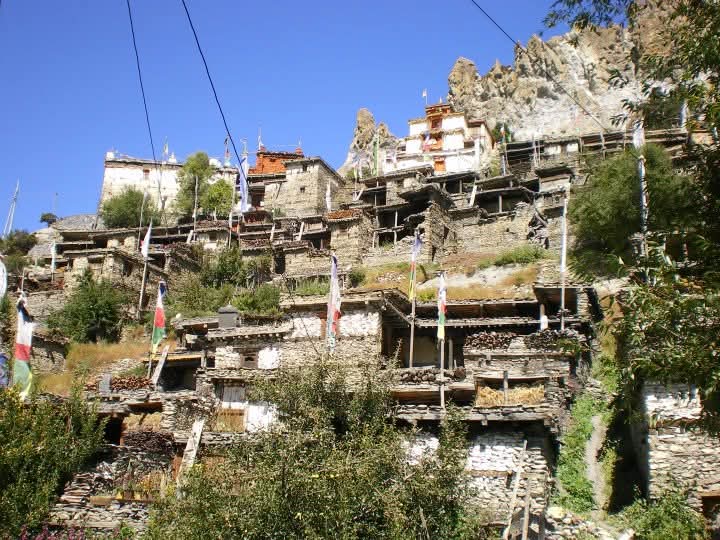
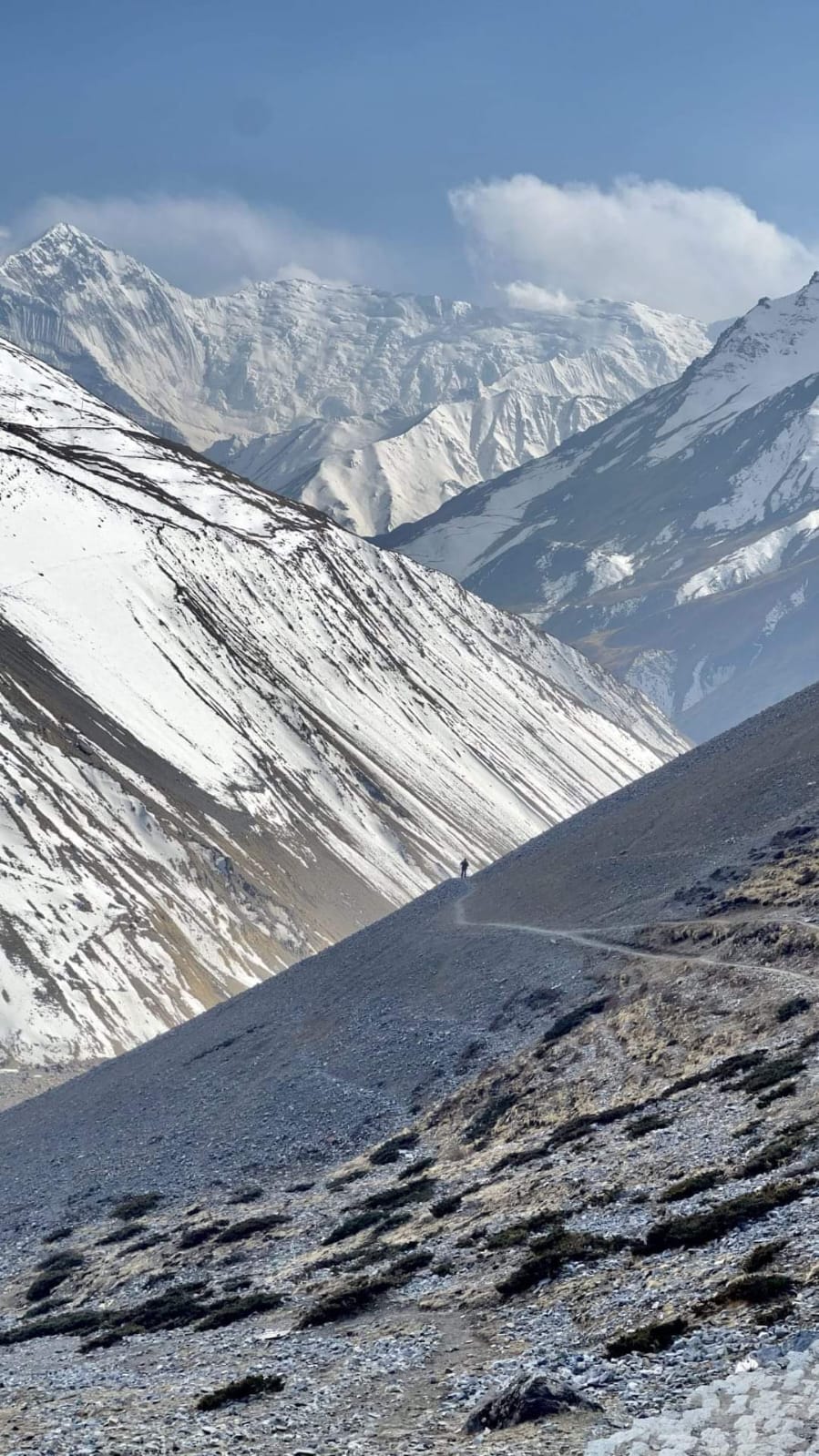
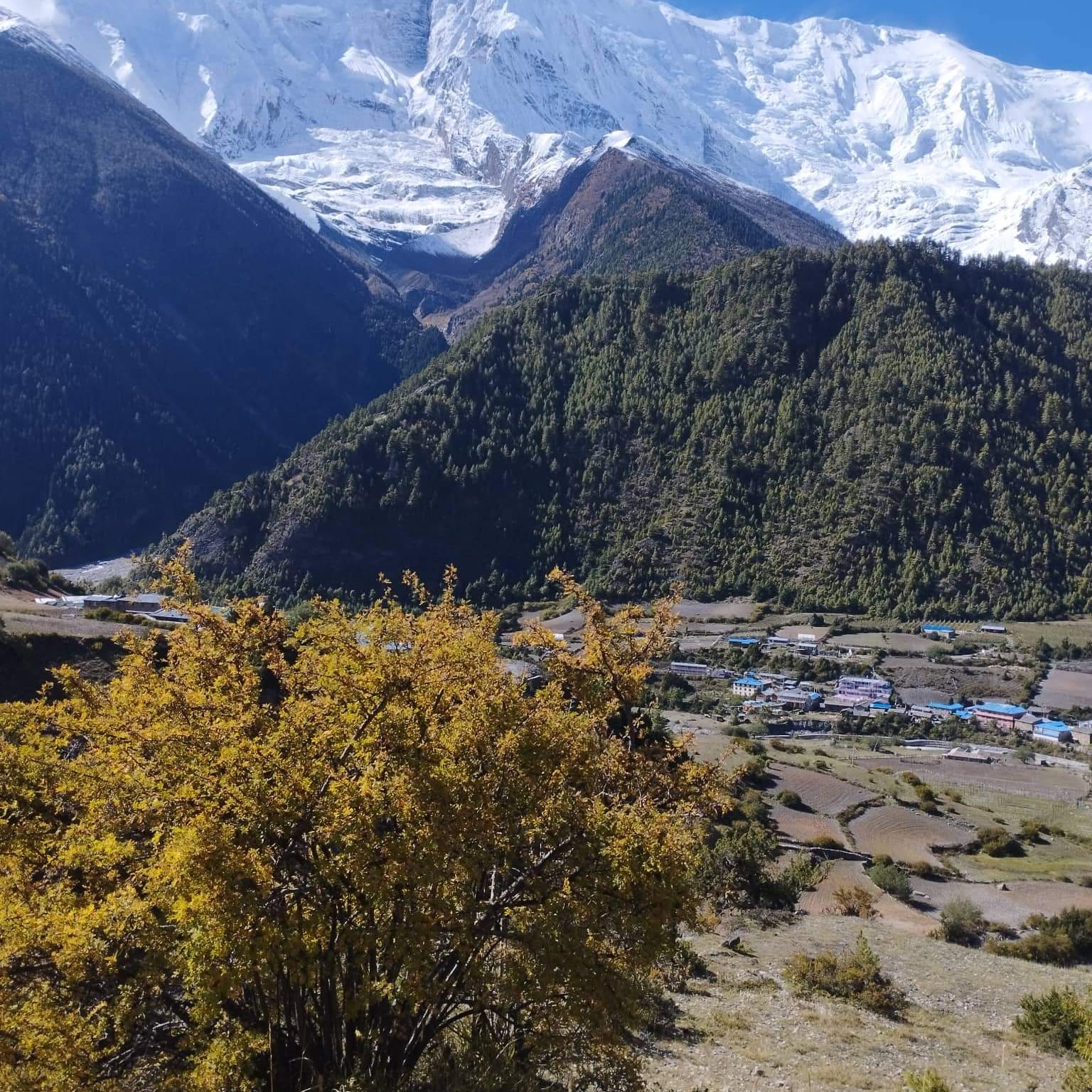
Annapurna Circuit Trek FAQS
Expand AllThe trek is moderate to challenging. It involves walking on hills, mountains, and high passes. Some days are steep, but walking slowly and taking breaks helps.
The best seasons are spring (March to May) and autumn (September to November). The weather is clear, and the mountain views are beautiful.
You should be reasonably fit. Daily walks of 5–7 hours are common, so practice walking and light exercise before the trek.
You will stay in local teahouses and lodges. They are simple but comfortable, with basic meals and warm beds.
A guide is included for safety and local knowledge. A porter can carry your heavy backpack if you want.
Breakfast is usually included. Teahouses provide lunch and dinner, including Nepali food and simple international dishes.
Daily walks range from 7 km to 19 km, depending on the trail and altitude.
Yes, it can happen at higher altitudes. The trek allows rest days and gradual climbs to reduce the risk.
Yes, warm clothing, trekking shoes, a backpack, and a water bottle are important. Sleeping bags and trekking poles are useful.
Yes, beginners can try, but they should be prepared and follow the guide’s advice. Walking slowly is important.
Weather can change quickly. It is sunny in valleys and cold in high areas. Layered clothing is recommended.
You can contact us by phone, email, or through our website. We will help with flights, permits, and trekking arrangements.
Reviews

Annapurna Circuit Trek
Very good
Annapurna Circuit Trek
Altitude trek nepal pvt.ltd was a great help in planning my Annapurna circuit trek. When I came to Nepal I had no idea how to move forward with my plans, but these guys helped me and we're very friendly!
Add a Review
Speak To Expert