Tour Facts

Tour Duration:
24 Days

Country:
Nepal

Activity:
Trekking

Region:
Kanchenjunga

Accomodation:
Teahouse, Lodges, Guesthouse

Grade:
Moderate to Strenuous

Meals:
Breakfast, Lunch, Dinner ,Tea or Coffee

Best Season:
March - May and September - November

Departure From :
Kathmandu
Kanchenjunga Base Camp Trek Overview
The Kanchenjunga Base Camp Trek is a beautiful and quiet journey in eastern Nepal. Kanchenjunga is the third highest mountain in the world, and it is a sacred peak for local people. This trek takes you through remote villages, thick forests, and high mountain landscapes. It is perfect for travelers who love nature, adventure, and learning about local culture. The trails are less crowded than other famous trekking routes in Nepal, so you can enjoy peace and calm while walking.
The trek starts from small towns in the eastern part of Nepal, and you slowly move into higher altitudes. You will pass rivers, waterfalls, and green hills along the way. Many villages on this trek belong to different ethnic groups, like Limbu and Rai, and staying there gives you a chance to see their homes, taste local food, and understand their traditions. You can also visit monasteries and prayer wheels in some villages, which show the spiritual side of the mountains.
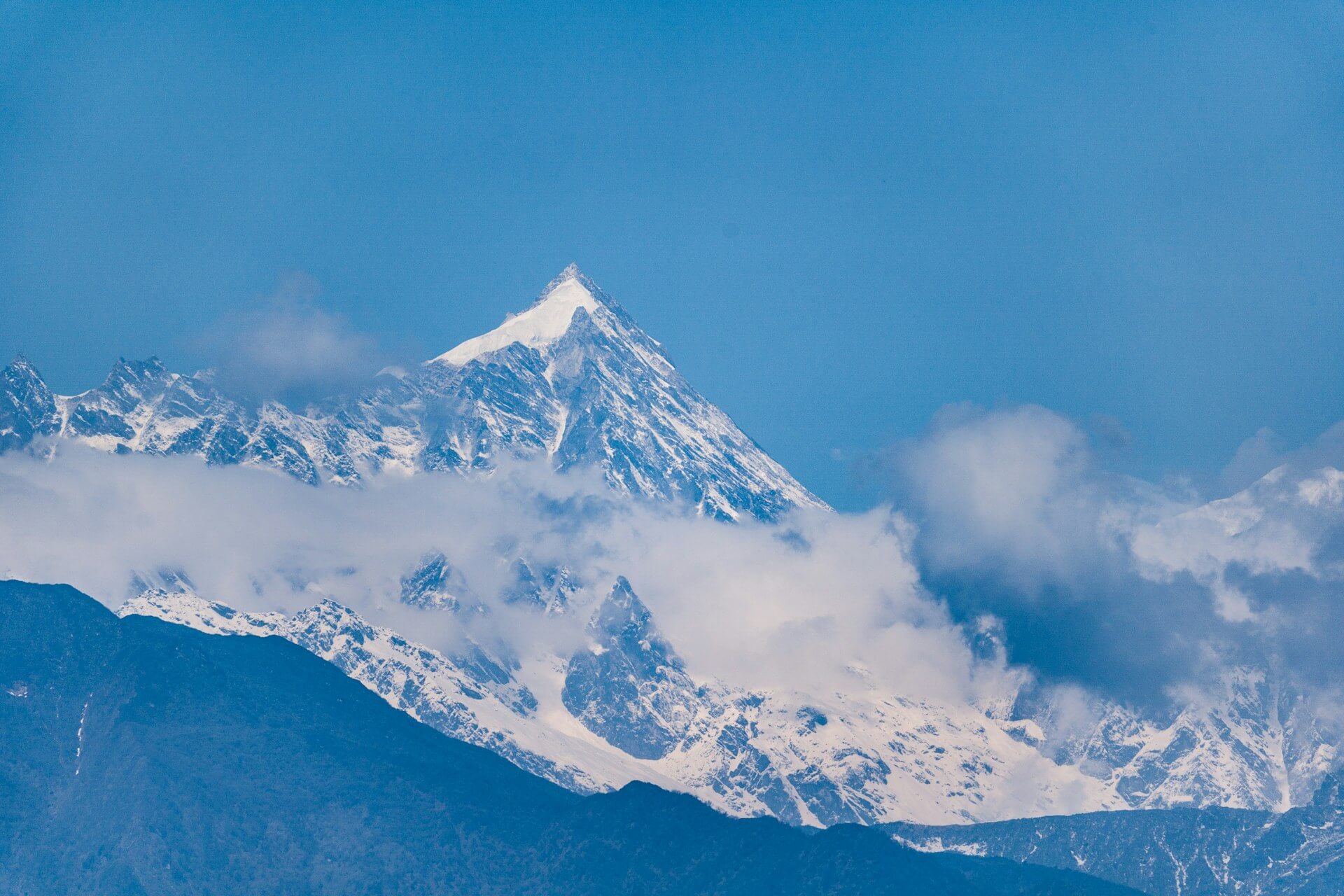
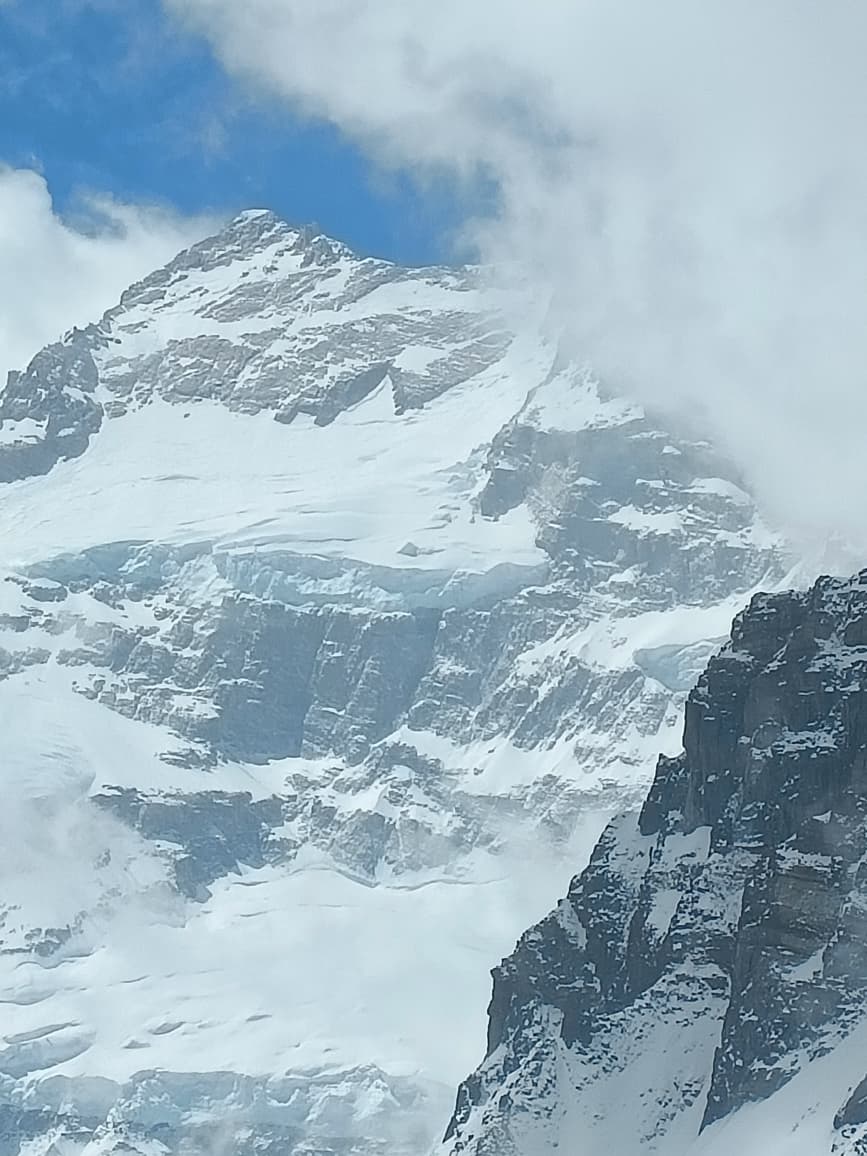
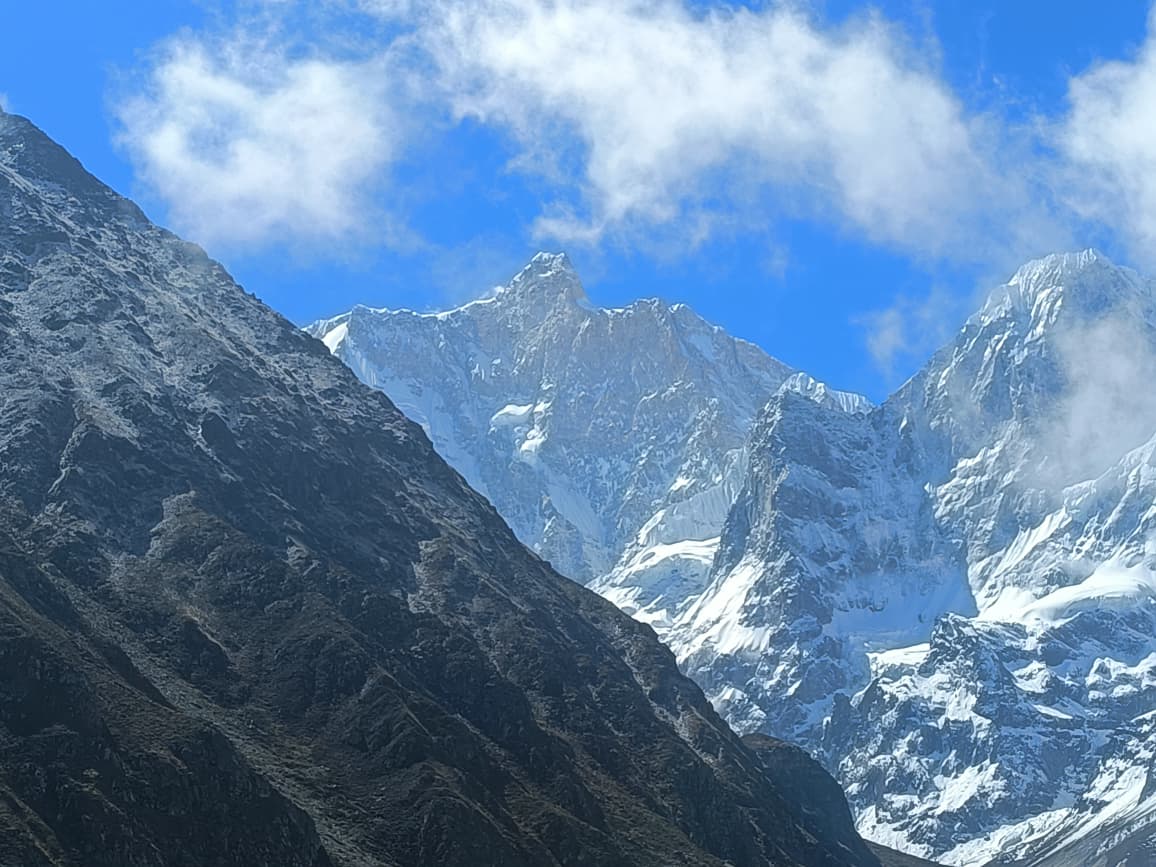
As you climb higher, the forest changes into open landscapes with rhododendron and pine trees. The air becomes fresh and cool, and you can see snow-capped peaks from far away. The main highlight of the trek is the Kanchenjunga Base Camp. From here, you get a close view of the massive Kanchenjunga mountain and the surrounding peaks. Watching the sunrise over these mountains is a truly special experience.
The trek is challenging because of long walking days, steep trails, and high altitude. Trekkers need to be fit and take care of their health. It is important to walk slowly, drink enough water, and rest properly. There are teahouses and lodges along the way where you can eat and sleep. Local guides and porters can help carry your bags and share their knowledge about the area.
Overall, the Kanchenjunga Base Camp Trek is an adventure full of natural beauty, culture, and quiet moments in the mountains. It is ideal for travelers who want to explore a less crowded path and enjoy peaceful landscapes. This trek gives you memories of snowy peaks, colorful villages, and the warm hospitality of people living in the high mountains. It is not just a journey on trails but also a journey into the heart of Nepal’s eastern Himalayas.
Kanchenjunga Base Camp Trek Highlight
- Kanchenjunga Mountain Views – See the third highest mountain in the world up close from the base camp and surrounding viewpoints.
- Sunrise over Snowy Peaks – Watch the first sunlight hit the mountains, creating a magical scene.
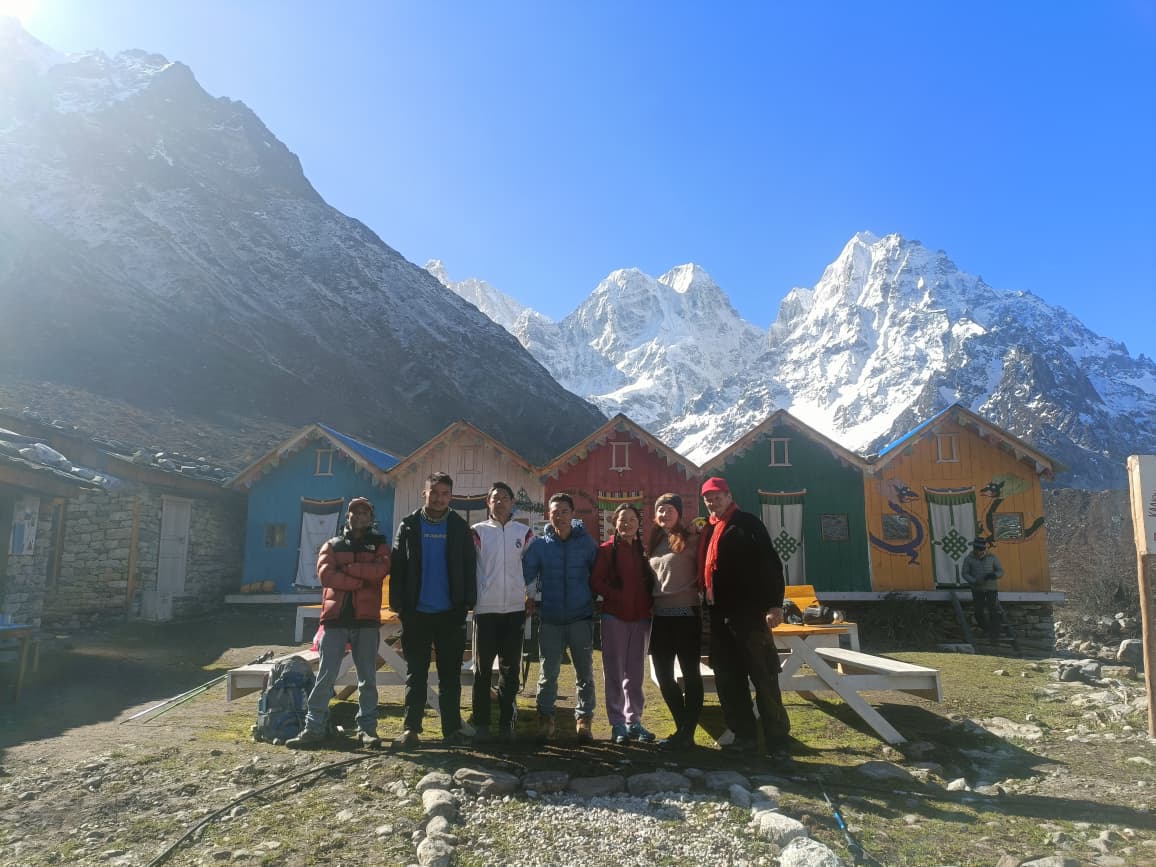
- Remote Villages – Visit Limbu and Rai villages, meet local people, and learn about their culture and traditions.
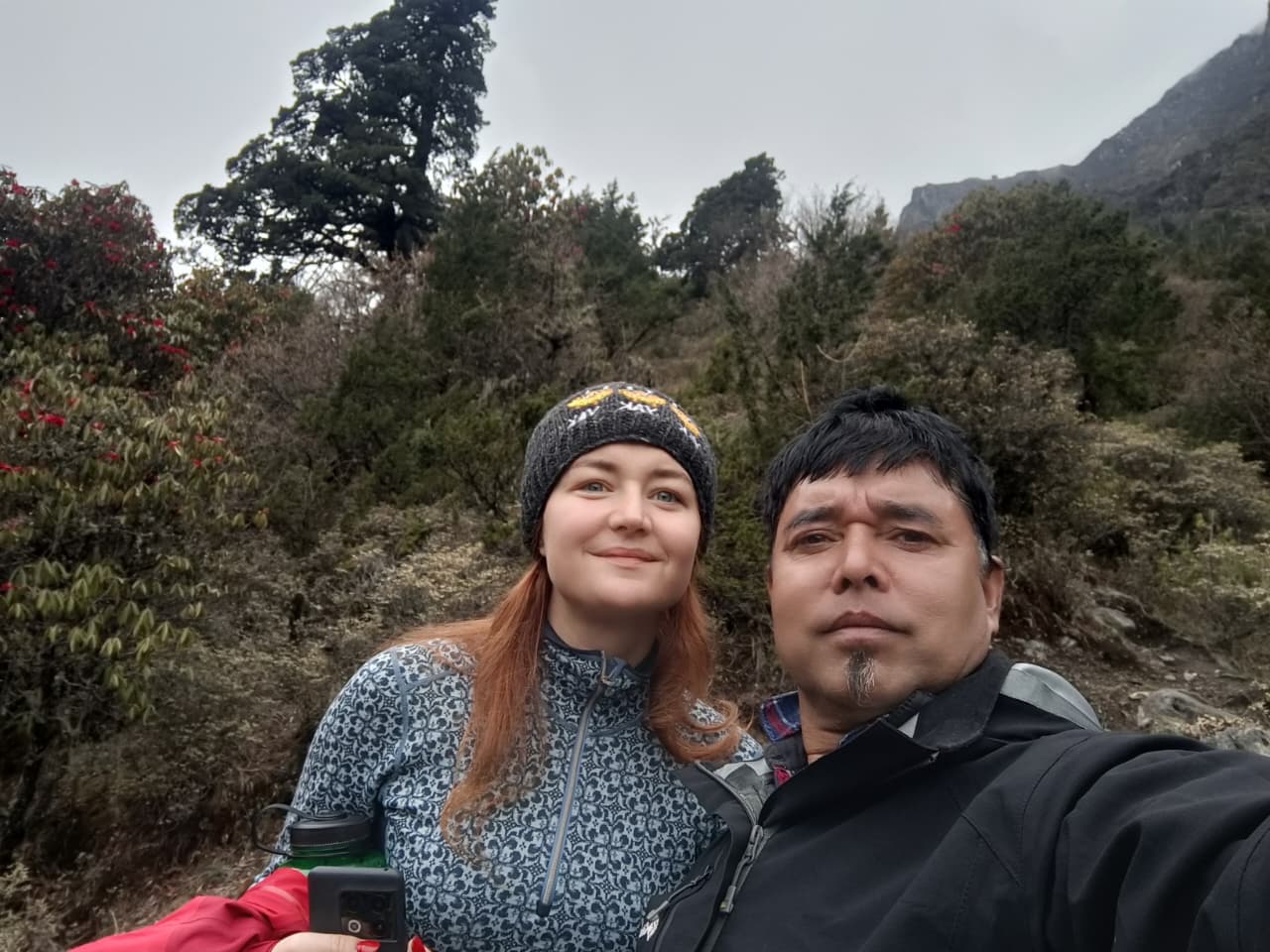
- Rhododendron Forests – Walk through colorful forests in spring filled with blooming rhododendron flowers.
- Peaceful Trails – Enjoy quiet and less crowded paths compared to popular trekking routes.
- Mountain Streams and Waterfalls – Cross clear rivers and see small waterfalls along the trail.
- Local Cuisine – Taste traditional Nepalese foods like dhindo, momo, and local tea.
- High Mountain Lakes – See small alpine lakes and glacial streams surrounded by snowy peaks.
- Monasteries and Prayer Wheels – Explore spiritual sites and learn about local Buddhist and Hindu traditions.
- Adventure and Fitness – Challenge yourself with long walks, steep trails, and high-altitude trekking while enjoying nature.
Kanchenjunga Base Camp Trek Itinerary
Expand AllYour journey begins as you land at Kathmandu airport, where the busy city welcomes you with its warm and friendly atmosphere. After meeting our team, you take a short ride of about 6 to 8 km to your hotel. This drive gives you a first look at the colorful streets, local shops, and daily life of the capital city. Once you reach the hotel, you can relax, unpack, and take some time to rest after your flight. In the evening, you may walk around nearby areas, enjoy simple Nepali food, and feel excited for the adventure that starts tomorrow.
Today is a relaxed and important day in Kathmandu. In the morning, you check your trekking gear and make sure you have everything you need for the long journey ahead. If you need anything extra, we help you find it in nearby shops. After the preparation, you go on a short sightseeing tour of about 5 to 7 km around the city. You visit famous places, learn about Nepali culture, and enjoy beautiful temples and old streets. This day helps you feel ready, calm, and excited for the adventure that will begin tomorrow.
Today your journey begins with a short flight from Kathmandu to Biratnagar. The flight covers around 240 km and gives you a nice view of the hills and flat plains of eastern Nepal. After landing, you start a comfortable drive of about 40 to 45 km to reach the town of Birtamod. The road is smooth, and you pass through small markets, green fields, and friendly villages. By the time you reach Birtamod, you feel the warm weather of the Terai and get a sense of local life. You rest in your hotel and prepare for the long drive to Taplejung the next day.
Today you begin your drive from Birtamod to Taplejung, which is about 240 km. The journey is long but very beautiful as the road slowly climbs from the flat Terai to the cool hills of eastern Nepal. You pass through small towns, tea gardens, farms, and green forests. As you go higher, the air becomes fresher, and the views get wider. You may stop for tea or snacks on the way and enjoy the simple village lifestyle. By the time you reach Taplejung, you feel the change in weather and scenery. You rest at your tea house and get ready to start trekking the next day.
Today, you begin your trekking journey from Taplejung to Chiruwa, covering about 12 km in 5–6 hours. The trail passes through small villages, terraced fields, and green forests. You may see local people working in their fields and children walking to school, which gives you a sense of daily life in the hills. The path gradually climbs, and the air becomes cooler and fresher as you move higher. Chiruwa is a quiet village where you stay in a tea house for the night. Here, you can rest, enjoy simple meals, and prepare for the next day’s trekking while enjoying the calm surroundings.
Today, you trek from Chiruwa to Sekathum, covering about 10–12 km in 5–6 hours. The trail gradually climbs through forests of pine and rhododendron, passing small streams and terraced fields. Along the way, you may see local villagers working on their farms and learn about their simple life in the hills. The path is peaceful, with fresh mountain air and occasional views of distant peaks. Sekathum is a small village where you stay in a tea house for the night. Here, you can rest, enjoy warm meals, and prepare your body and mind for the higher altitudes in the coming days.
Today, you trek from Sekathum to Gyabla, covering about 10 km in 5–6 hours. The trail climbs gradually through pine and rhododendron forests and passes small streams and terraced fields. Along the way, you may meet local villagers working on their farms or walking to school, giving you a glimpse of daily life in the mountains. The air becomes cooler and fresher as you gain altitude, and you may see distant snow-capped peaks. Gyabla is a small village where you stay in a tea house for the night. Here, you can rest, enjoy warm meals, and prepare for the higher trekking days ahead.
Today, you trek from Gyabla to Gunsa, covering about 10–12 km in 5–6 hours. The trail gradually climbs through forests of pine and rhododendron, open meadows, and small streams. Along the way, you may see local villagers tending their farms or carrying supplies, which gives you a glimpse of life in the mountains. The air becomes cooler and fresh, and the surrounding views of hills and distant snow-capped peaks make the walk peaceful. Gunsa is a small village where you stay in a tea house for the night. Here, you can rest, enjoy warm meals, and prepare your body for the higher altitudes in the coming days.
Today is a rest day at Gunsa to help your body adjust to the higher altitude. You can take short walks of about 1–2 km around the village to stretch your legs and enjoy the surroundings. The village is quiet and peaceful, surrounded by pine forests and distant snow-capped peaks. You can relax in the tea house, enjoy warm meals, and talk with local people to learn about their daily life and culture. This day also gives you time to prepare mentally and physically for the longer and higher trekking days ahead while enjoying the calm and fresh mountain air.
Today, you trek from Gunsa to Kambachen, covering about 10 km in 5–6 hours. The trail climbs gradually through alpine forests, small streams, and open meadows. Along the way, you may see yaks grazing and local people carrying supplies, giving you a glimpse of life in high mountain villages. The air is cool and fresh, and distant snow-capped peaks become more visible as you gain altitude. Kambachen is a small settlement where you stay in a tea house for the night. Here, you can rest, enjoy warm meals, and prepare your body for the higher altitudes and longer trekking days ahead.
Today is an excursion day at Kambachen to help your body adjust to the higher altitude. You can take short walks of about 2–3 km around the village and nearby trails to enjoy the fresh mountain air and beautiful scenery. The area is peaceful, surrounded by pine forests, meadows, and distant snow-capped peaks. You may meet local people and learn about their daily life and culture. This day also gives you time to rest, take photographs, and prepare mentally and physically for the longer trekking days ahead. Staying at Kambachen provides a calm and scenic environment to recharge your energy.
Today, you trek from Kambachen to Lhonak, covering about 12 km in 6–7 hours. The trail climbs gradually through alpine meadows, rocky paths, and small streams. Along the way, you may see yaks grazing and local people carrying supplies, giving you a glimpse of life at high altitudes. The air becomes cooler and thinner, and the surrounding views of snow-capped peaks and glaciers are breathtaking. Lhonak is a small settlement where you stay in a tea house for the night. Here, you can rest, enjoy warm meals, and prepare your body for the higher altitudes ahead while taking in the peaceful mountain environment.
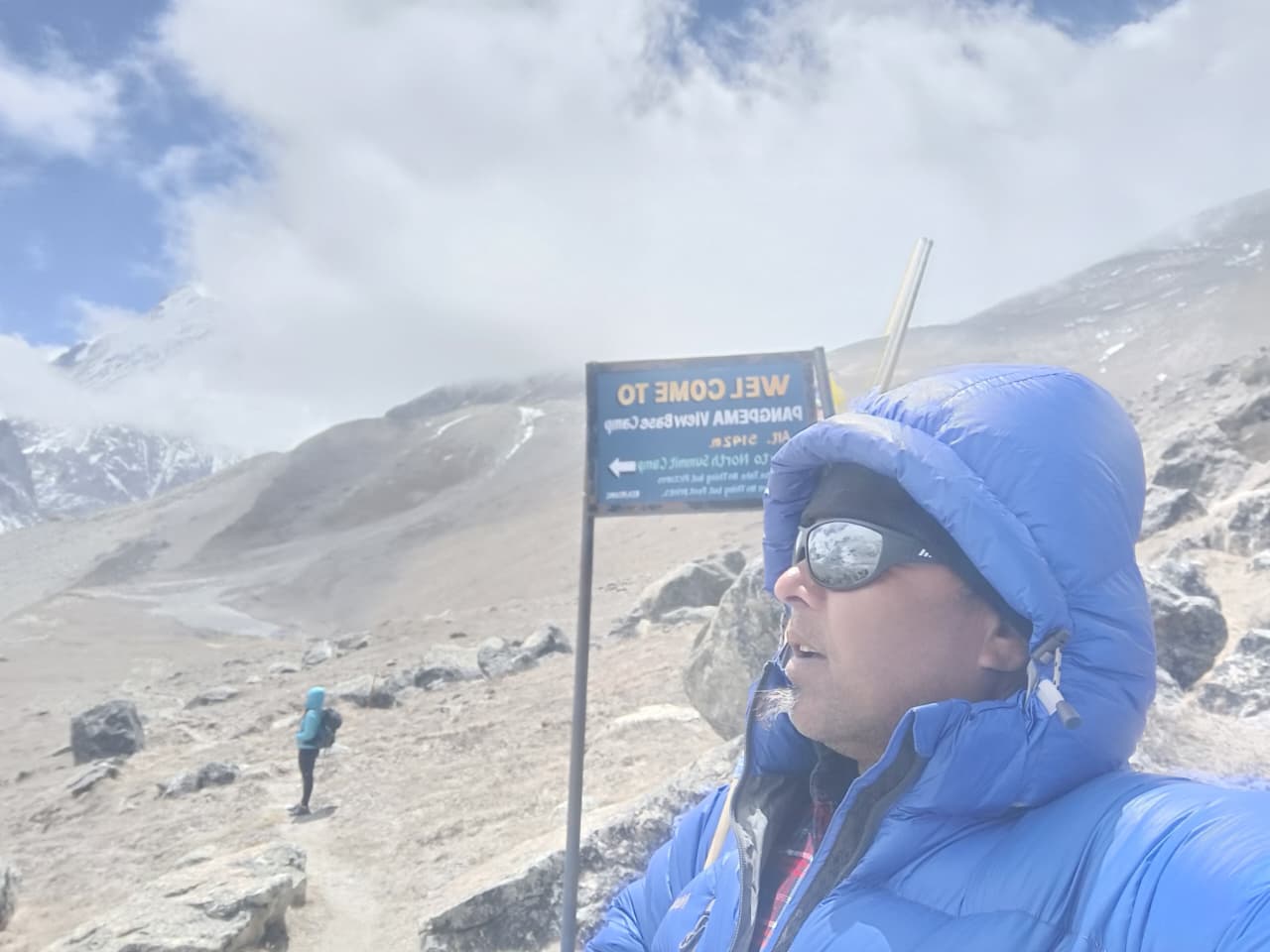
Today, you trek from Lhonak to Pangpema, the North Kanchenjunga Base Camp, and return to Lhonak, covering about 10 km in 6–7 hours. The trail climbs steeply through rocky terrain, glaciers, and high alpine meadows. As you gain altitude, the air becomes thinner and colder, and the views of Kanchenjunga’s snow-covered peaks are stunning. At Pangpema, you can take time to rest, take photographs, and enjoy the amazing mountain scenery. After soaking in the views, you descend carefully back to Lhonak. Staying at Lhonak tonight helps your body recover from the high altitude while enjoying the peaceful surroundings and fresh mountain air.
Today, you retrace your route from Lhonak back to Gunsa, covering about 15 km in 7–8 hours. The trail gently descends through alpine meadows, pine forests, and small streams. Walking downhill gives you time to enjoy the scenery, including distant snow-capped peaks and quiet valleys. Along the way, you may see local people and yaks, which adds a glimpse of life in the mountains. Gunsa is a small village where you stay in a tea house for the night. Here, you can rest, enjoy warm meals, and recover your energy after the high-altitude trek to Pangpema while enjoying the peaceful surroundings.
Today, you trek from Gunsa to Sele Base Camp, covering about 12 km in 6–7 hours. The trail climbs steadily through alpine meadows, rocky paths, and small streams. You will cross the beautiful Sele La Pass, which offers panoramic views of snow-capped peaks and glaciers. The air becomes cooler and thinner as you gain altitude. Along the way, you may see yaks and local people carrying supplies. Sele Base Camp is a small campsite where you stay in a tea house for the night. Here, you can rest, enjoy warm meals, and prepare for the next day’s high-altitude trek while enjoying the serene mountain environment.
Today, you trek from Sele Base Camp to Tseram, covering about 12–14 km in 6–7 hours. The trail climbs steadily to cross the Sinion La Pass at 4,646 meters, offering stunning views of snow-covered peaks, glaciers, and high alpine valleys. The air is thin and cool, and the rocky paths require careful walking. Along the way, you may see yaks grazing and local people carrying supplies. After crossing the pass, you descend to Tseram, a small village where you stay in a tea house for the night. Here, you can rest, enjoy warm meals, and take in the peaceful mountain environment.
Today, you trek from Tseram to Ramzher, also called Ramche, covering about 10–12 km in 5–6 hours. The trail descends and climbs gently through alpine meadows, small streams, and rocky paths. You may see yaks grazing and local people carrying supplies along the way, which gives you a glimpse of high-altitude life. The air is cool and fresh, and the surrounding snow-capped peaks create a peaceful atmosphere. Ramzher is a small village where you stay in a tea house for the night. Here, you can rest, enjoy warm meals, and prepare your body for the next day’s trek while taking in the serene mountain environment.
Today, you trek from Tseram to Oktang, the South Kanchenjunga Base Camp, and return to Tseram, covering about 12 km in 6–7 hours. The trail climbs steadily through rocky paths, alpine meadows, and small streams. As you approach Oktang, the views of Kanchenjunga’s snow-covered peaks and glaciers are breathtaking. The air is thin and cold, so walking slowly is important. At Oktang, you can rest, take photographs, and enjoy the mountain scenery before descending carefully back to Tseram. Staying at Tseram tonight allows your body to recover from the high-altitude trek while enjoying the calm and fresh mountain environment.
Today, you trek from Tseram to Tortong, covering about 12–14 km in 6–7 hours. The trail gradually descends through alpine meadows, pine forests, and small streams. Along the way, you may see yaks grazing and local people working on their farms, giving you a glimpse of life in high mountain villages. The air is cooler and fresher as you move to lower altitudes, and the surrounding snow-capped peaks create a peaceful atmosphere. Tortong is a small village where you stay in a tea house for the night. Here, you can rest, enjoy warm meals, and prepare for the next day’s trek.
Today, you trek from Tortong to Ranipul, covering about 10–12 km in 5–6 hours. The trail descends gently through pine forests, terraced fields, and small streams. Along the way, you may see local villagers farming and children walking to school, which gives you a glimpse of daily life in the mountains. The air is fresher and slightly warmer as you go lower in altitude. Ranipul is a small village where you stay in a tea house for the night. Here, you can rest, enjoy warm meals, and relax after the long trekking days while appreciating the peaceful surroundings.
Today, you drive from Ranipul to Suketar, covering about 50–60 km. The journey passes through green hills, terraced fields, and small villages, giving you a chance to enjoy the local scenery and culture. The road gradually climbs, and the air becomes fresher as you reach Suketar. Once you arrive, you check into a small lodge or tea house and can rest after the drive. This day is mainly for travel, but it allows you to see more of eastern Nepal’s landscapes. You can enjoy a warm meal, relax, and prepare for the short trek and flight the next day.
Today, you catch a flight from Suketar to Kathmandu, covering about 300 km by air. The flight offers stunning aerial views of hills, rivers, and the distant snow-capped peaks of eastern Nepal. Once you land in Kathmandu, you are transferred to your hotel for check-in and rest. The day is mainly for travel, but it gives you time to reflect on the entire Kanchenjunga trek. You can relax at the hotel, enjoy warm meals, and take a short walk around nearby areas to enjoy the city atmosphere. This day helps you recover after the long trekking journey.
Today is a contingency day in Kathmandu. It is kept free in case of any flight delays, bad weather, or other unexpected changes. You can use this day to rest, pack, or explore nearby areas of the city. Walking short distances of 2–3 km around your hotel allows you to enjoy Kathmandu’s streets, shops, and local culture. This day also gives you a chance to reflect on your Kanchenjunga trek, take photographs, or buy souvenirs. Staying flexible ensures that you do not miss your return flight and can comfortably prepare for the final departure the next day.
Today is the final day of your Kanchenjunga Base Camp Trek journey. After breakfast at your hotel, you have a farewell program where you can share memories, photos, and experiences with your trekking team. This is a special moment to reflect on the beautiful mountains, peaceful villages, and friendly people you met during the trek. After the farewell, you are transferred to Kathmandu airport for your departure flight. Walking today is minimal, just around the hotel and airport area. This day marks the end of your adventure, leaving you with lasting memories of the breathtaking landscapes and cultural experiences of eastern Nepal.
Note : This is a basic itinerary and can be adjusted according to your schedule and preferences. We offer full board service, guide-only service, porter-only service, or fully customized packages. Please contact us via email or WhatsApp to discuss your needs.
Kanchenjunga Base Camp Trek Includes/Exclude
Cost Include
- All the airport pick-ups and drop-offs by private vehicles.
- 2 nights of 3-star category hotel accommodation in Kathmandu city (inclusive breakfast).
- Twin/Double sharing guesthouse/tea house accommodation while on the trek.
- All the required trekking permits and official paperwork for the trip.
- An experienced and government-certified local trekking guide for the trek.
- Supporting local porters to carry your belongings while on the trek.
- The full board of meals while on the trek (breakfast, lunch, dinner).
- Food, salary, accommodation, and accidental insurance of all our trekking staff.
- First-aid medical kit with an oximeter to check your pulse and oxygen level while on the trek.
- Complimentary welcome and farewell dinner in Kathmandu.
- All the Nepal government taxes and company service charges.
Cost Exclude
- Nepal visa fee (Can be obtain upon Arrival at airport/boarder).
- International airfare and taxes to/from Kathmandu.
- Meals: lunch and dinner in Kathmandu.
- Your travel insurance.
- Any kind of beverage.
- Personal expenses and extra trips/services not included in the service.
- Personal trekking Clothing/Gears.
- Tipping/Gratuities.
- Expenses caused by unforeseen circumstances such as bad weather, natural disaster, political issues, personal illness, etc.
- All the bar bills and personal expenses (Phone call, Laundry services, WiFi, Battery recharge, a bottle of water, Hot water, Desert and Shower).
- Your high altitude emergency travel insurance.
- Tips for Guide and Porter.
- Any other expenses not mentioned in the “Included” section.
Kanchenjunga Base Camp Trek Gallery/Video
Kanchenjunga Base Camp Trek FAQS
Expand AllIt is a trekking journey to the base of Kanchenjunga, the third highest mountain in the world.
The trek usually takes 16 to 18 days, including travel and rest days.
The highest point is around 5,143 meters at Kanchenjunga Base Camp.
Yes, you should be in good health and able to walk for several hours each day.
No, it is a remote route, so it is peaceful with fewer trekkers compared to other popular trails.
Mostly tea houses and small lodges in villages along the trail.
It is recommended to hire a guide for safety and to learn about local culture.
Spring (March to May) and autumn (September to November) are the best times.
Yes, tea houses offer simple meals like rice, noodles, and local dishes.
Yes, if you walk slowly, drink water, and take rest days to adjust to the altitude.
Warm clothing, trekking boots, and a good backpack are important.
Yes, if they are fit and take it slow, but it may be challenging for very young children.
Mobile network is limited, but some areas may have signal.
You fly to Bhadrapur or drive from Kathmandu to the eastern region of Nepal.
It is peaceful, full of natural beauty, local culture, and amazing mountain views.
Reviews

Annapurna Circuit Trek
Very good
Everest Gokyo Trek
This was a wonderful, educational tour where we learned a lot and had a very fulfilling time from start to finish.
Everest Gokyo Trek an excellent tour of Nepal
Excellent! Bishnu was an excellent guide on our trip. Knowledgeable, kind and answered all of our questions. Thank you for an excellent tour of Nepal!
Annapurna Panorama Trek
Vishnu has been a very insightful guide, taking me and my partner to beautiful places that we couldn't even imagine to see. The views from the mountains left us breathless and we highly recommend Altitude Trek Nepal Pvt. Ltd company for mountain and city hiking and sightseeing.
Annapurna Base Camp Trek
Vishnu was an amazing guide. Altitude Trek Nepal made the whole trip seamless - they booked our transport, accommodation and helped us to hire the gear we needed. Organising all this without local knowledge would have been difficult, but they made it so easy. The trip itself was amazing! I will never forget it. Thank you so much for everything.
Everest Base Camp Trek
Excellent.
Annapurna Circuit Trek
Altitude trek nepal pvt.ltd was a great help in planning my Annapurna circuit trek. When I came to Nepal I had no idea how to move forward with my plans, but these guys helped me and we're very friendly!
Annapurna Base Camp Trek
Good guide, always patience and helpful
Everest Base Camp Trek – Smooth, Safe, and Enjoyable Journey
The trek leader from Altitude trek Nepal - Mr Shivaji met us a Lukla airport right when we landed, guided us through our EBC trek and made sure we got back on our flight out of Lukla safely. His experience and guidance was essential to the success of our trek. He was easy to communicate with in Hindi and English. He understood our needs and made adjustments based on our conditions. Would highly recommend him for a safe and enjoyable journey
Annapurna Region Trek – Excellent Organisation and Trusted Guiding.
Altitude Trek Nepal delivered an excellent trekking experience in the Annapurna region from start to finish. Everything was well organized, smooth, and thoughtfully planned, which let us focus fully on the mountains and the journey. The itinerary, pacing, and logistics were spot-on, and the team was consistently professional and friendly. A special thank-you to my guide, Vishnu Kumar, whom I’ve known for many years and trust completely. Vishnu’s experience, calm leadership, and attention to detail made every day feel safe, enjoyable, and stress-free. He always checked in on everyone, handled every small issue quickly, and shared great local insight along the way. I truly appreciate his dedication and warmth, and I can confidently recommend Altitude Trek Nepal to anyone planning an Annapurna trek, or any other trek in Nepal!
Add a Review
Speak To Expert