From Kathmandu to the Himalayas – Stories from the Trail
Nepal is a land of contrasts — from the bustling streets of Kathmandu to the serene heights of the Himalayas, every step tells a story. Trekking here is not just a physical journey; it’s an emotional, cultural, and spiritual experience. The journey from Kathmandu to the Himalayas offers a mix of adventure, breathtaking landscapes, local culture, and unforgettable encounters.
Kathmandu: The Heartbeat Before the Trek
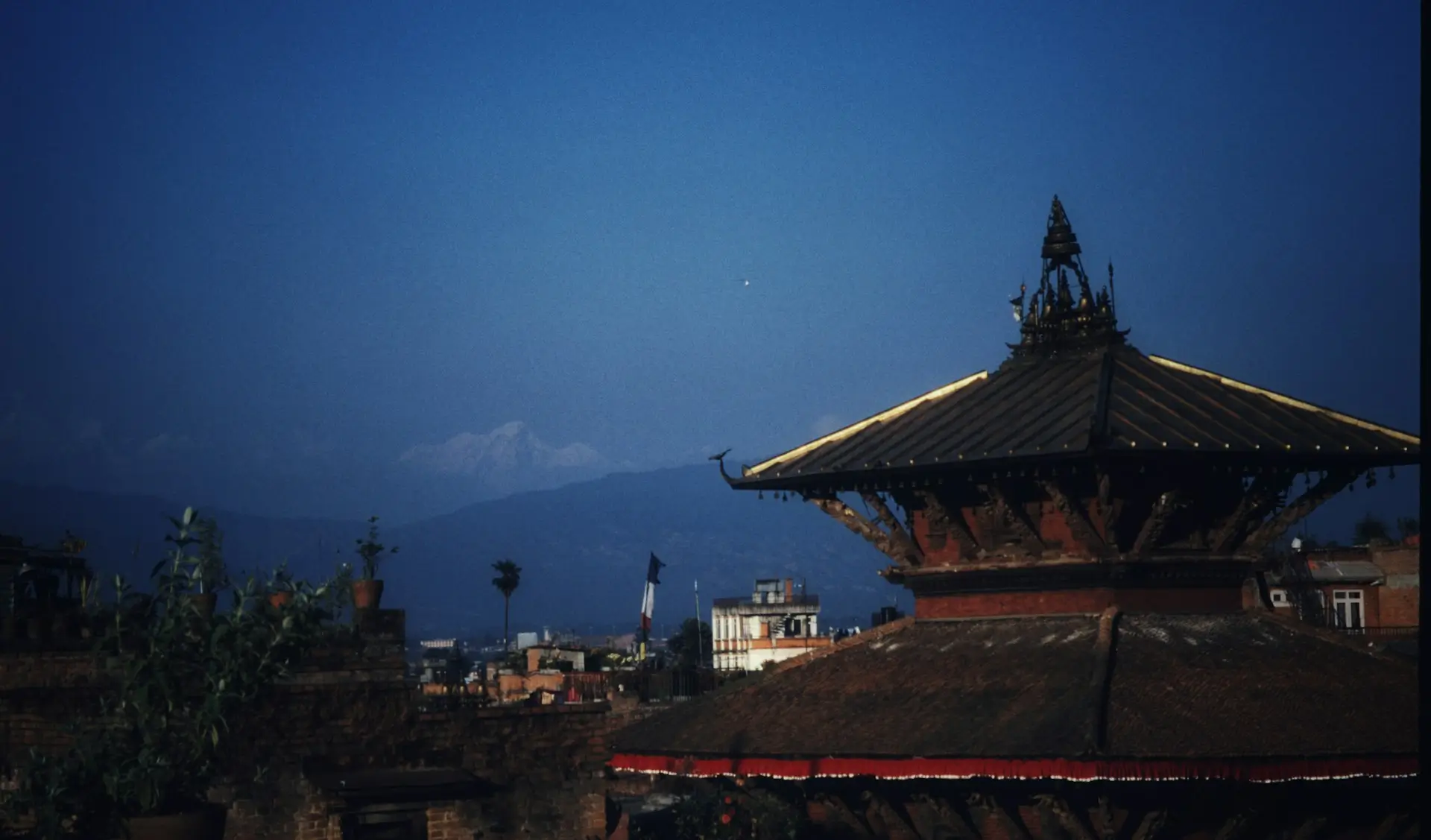
Kathmandu is often the first encounter for trekkers, a city buzzing with life, colors, and sounds. The chaos of traffic, the scent of incense, and the calls of street vendors create a vibrant atmosphere that is both overwhelming and exciting.
Things to Explore in Kathmandu Before the Trek
Cultural Heritage:
- Swayambhunath (Monkey Temple)
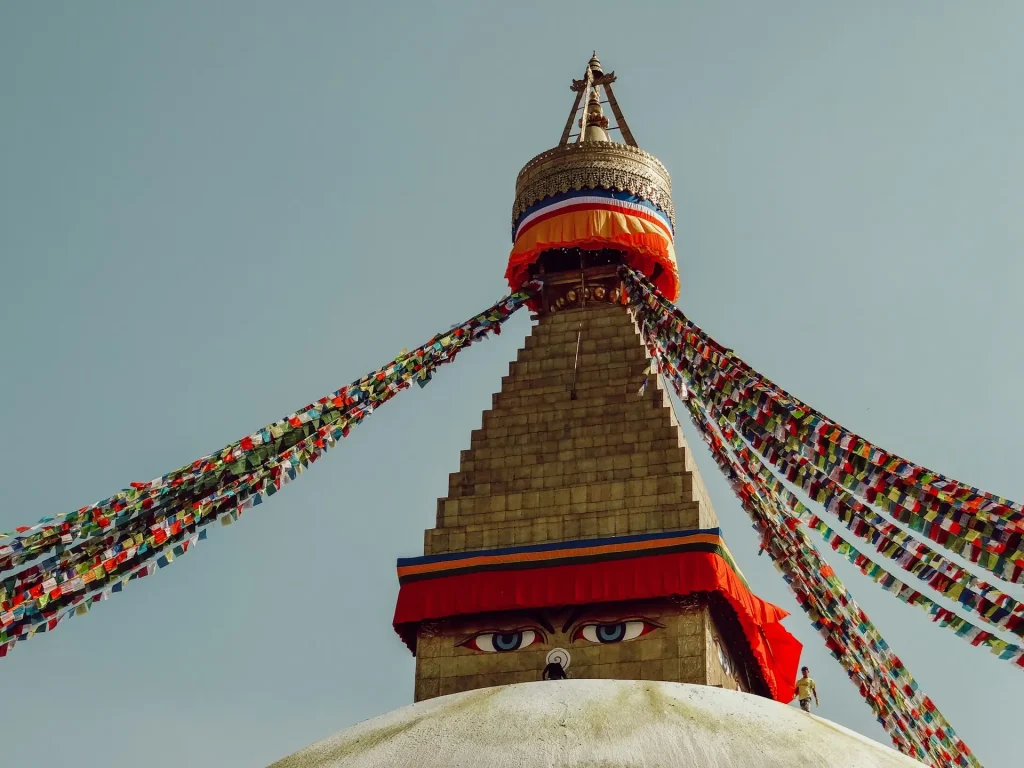
- Boudhanath Stupa
- Kathmandu Durbar Square
Local Cuisine: Try momos, sel roti, and Nepali chai in local cafés.
Trekking Preparation: Thamel offers a wide range of trekking gear, from boots and jackets to walking poles and backpacks.
Spending a day or two in Kathmandu before the trek is highly recommended. It allows you to acclimatize to the altitude, absorb the local culture, and ensure all trekking preparations are complete.
From Kathmandu to the Trailhead
The transition from city life to the mountains is remarkable. Within a few hours, you leave the noise of Kathmandu behind and enter lush valleys, rushing rivers, and terraced fields.
Options to Start the Trek
- By Air: A short flight to Lukla is thrilling and offers panoramic views of the Himalayas.
- By Road: Driving to trailheads like Besisahar or Ramechhap provides a slower pace with scenic stops.
First Impressions of the Mountains
- Snow-capped peaks appear gradually, first faint on the horizon, then towering over the valleys.
- Villages become smaller, the air fresher, and the atmosphere calmer.
| Route | Duration | Experience Level | Bonus Views |
| Lukla Flight | 30–40 min | Beginner–Advanced | Himalayan peaks from the plane |
| Road Trip | 5–7 hrs | Beginner–Intermediate | Terraced fields, rivers, rural life |
Life on the Trail
The trail itself is a story waiting to unfold. Each day brings new landscapes, encounters, and challenges.
Daily Routine on the Trek
Morning:
- Wake up early to the crisp mountain air.
- Enjoy breakfast at the teahouse before the trail gets busy.
- Begin trekking through forests, rivers, and gradually ascending paths.
Afternoon:
- Stop for lunch at a local teahouse or village.
- Interact with locals, learn about Sherpa culture, and enjoy short breaks for photos.
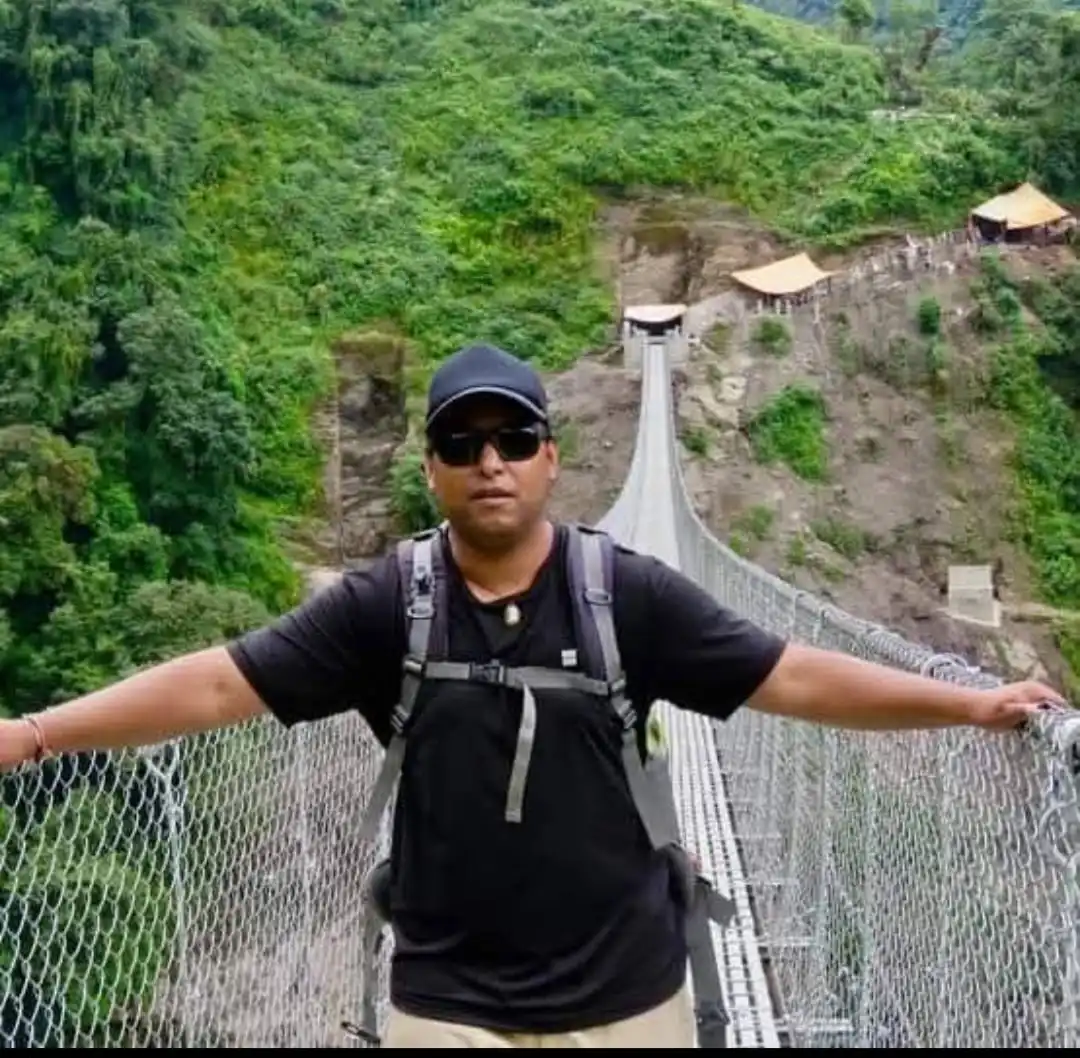
- Trek further toward the day’s destination, often passing suspension bridges, waterfalls, and scenic viewpoints.
Evening:
- Arrive at the teahouse, rest, and enjoy a warm meal.
- Share stories with fellow trekkers or play card games by the fireplace.
- Watch the sun set over distant peaks and prepare for the next day.
Cultural Experiences on the Trail
- Monasteries and Chortens: Respect local customs, remove shoes, and walk clockwise around sacred sites.
- Interactions with Villagers: Sherpa families are welcoming and love to share stories and local tea.
- Festivals and Rituals: If you trek during festival seasons, you might witness local ceremonies or Buddhist rituals.
Unforgettable Highlights
Natural Beauty
- owering Himalayan peaks like Everest, Annapurna, and Ama Dablam.
- Rhododendron forests in bloom during spring.
- Crystal-clear rivers and cascading waterfalls.
Personal Triumphs
- Reaching high-altitude viewpoints.
- Completing long, challenging treks despite fatigue.
- Experiencing moments of peace and solitude on remote trails.
Memorable Encounters
- Chatting with trekkers from around the world.
- Watching sunrise over the peaks from Kala Patthar or Poon Hill.
- Observing local traditions like prayer wheel spinning and yak herding.
Tips for a Smooth Trek
Preparation
- Clothing: Layered clothes, waterproof jackets, and gloves.
- Gear: Trekking boots, walking poles, backpack, water bottle.
- Health: Acclimatize gradually, drink plenty of water, and carry altitude sickness medication if necessary.
On the Trail
- Start Early: Beat the crowd and enjoy serene mornings.
- Respect Culture: Always ask before taking photos of locals, avoid pointing feet, and be mindful in sacred spaces.
- Enjoy Small Moments: Pause often, breathe deeply, and take in the surroundings.
| Essential Item | Why It’s Needed |
| Water Bottle | Hydration at high altitudes |
| Trekking Poles | Support during steep ascents/descents |
| Snacks | Quick energy on long trails |
Returning to Kathmandu
Returning to Kathmandu after days in the mountains feels surreal. The city seems familiar yet different. Every sound, every street, and every aroma brings a contrast to the quiet of the mountains.
Recommended Post-Trek Activities:
- Massage & Spa: Relieve tired muscles after days of trekking.
- Cultural Tours: Explore temples and squares you may have missed before.
- Souvenir Shopping: Pashmina scarves, local crafts, trekking mementos.
Final Thoughts
The trek from Kathmandu to the Himalayas is more than a physical journey. It’s about stories — the laughter shared with fellow travelers, the quiet moments watching the sunrise over snow-capped peaks, the kindness of Sherpa families, and the sense of accomplishment when reaching a high-altitude viewpoint.
Each step on the trail teaches patience, gratitude, and a deeper appreciation for nature and culture. Whether it’s your first trek or your tenth, the Himalayas will leave a permanent mark on your heart.
Speak To Expert