Tour Facts

Tour Duration:
20 Days

Country:
Nepal

Activity:
Trekking

Region:
Manaslu

Accomodation:
Teahouse, Lodges, Guesthouse

Grade:
Strenuous

Meals:
Breakfast, Lunch, Dinner ,Tea or Coffee

Best Season:
Sep-Dec & Feb-June

Departure From :
Kathmandu
Manaslu Tsum Valley Trek Overview
Manaslu Tsum Valley is a hidden gem in northern Nepal. It is a small, remote valley in the Gorkha district, close to the border with Tibet. The valley is special because it has kept its culture, traditions, and religion mostly unchanged for hundreds of years. Most people in the valley are Buddhists, and they follow their old customs carefully. The area was opened to trekkers only in 2008, so it is still quiet, peaceful, and less crowded than other trekking regions in Nepal.
The trek to Manaslu Tsum Valley is more than just walking in the mountains. It is a journey into a living cultural museum. You will see old monasteries, mani walls (stones carved with prayers), colorful prayer flags, and villages where life has changed very little over time. The people here are friendly and welcoming. They are happy to share their stories, traditions, and food with visitors.
Most trekkers start the journey from Maccha Khola, a small town in the Gorkha district. From Maccha Khola, the trail follows rivers, climbs through forests, and passes several small villages. The path is a mix of rocky trails, wooden bridges, and narrow paths along hillsides. You will walk through forests of oak, rhododendron, and pine trees. In spring, the rhododendrons bloom, covering the hills with red, pink, and white flowers. The forest is full of birds, monkeys, and sometimes deer, which makes the trek feel like a nature adventure.
One of the most special things about the valley is its culture. The local people, called Tsumbas, live simple lives, farming barley, buckwheat, and potatoes. They also raise yaks and cows, which provide milk, cheese, and butter. The Tsumbas are very spiritual. You will see small stupas, prayer flags, and mani stones everywhere. The valley has many monasteries, some hundreds of years old. Visiting a monastery is a calm experience. You can see monks praying, spinning prayer wheels, and teaching children about Buddhism.
The trek takes you through many villages. Each village has its own character. Some have stone houses with wooden windows, while others are bigger and have schools, shops, and small guesthouses. Staying in a village gives you a real experience of local life. People often invite trekkers for tea or snacks, and you can see how they live every day.
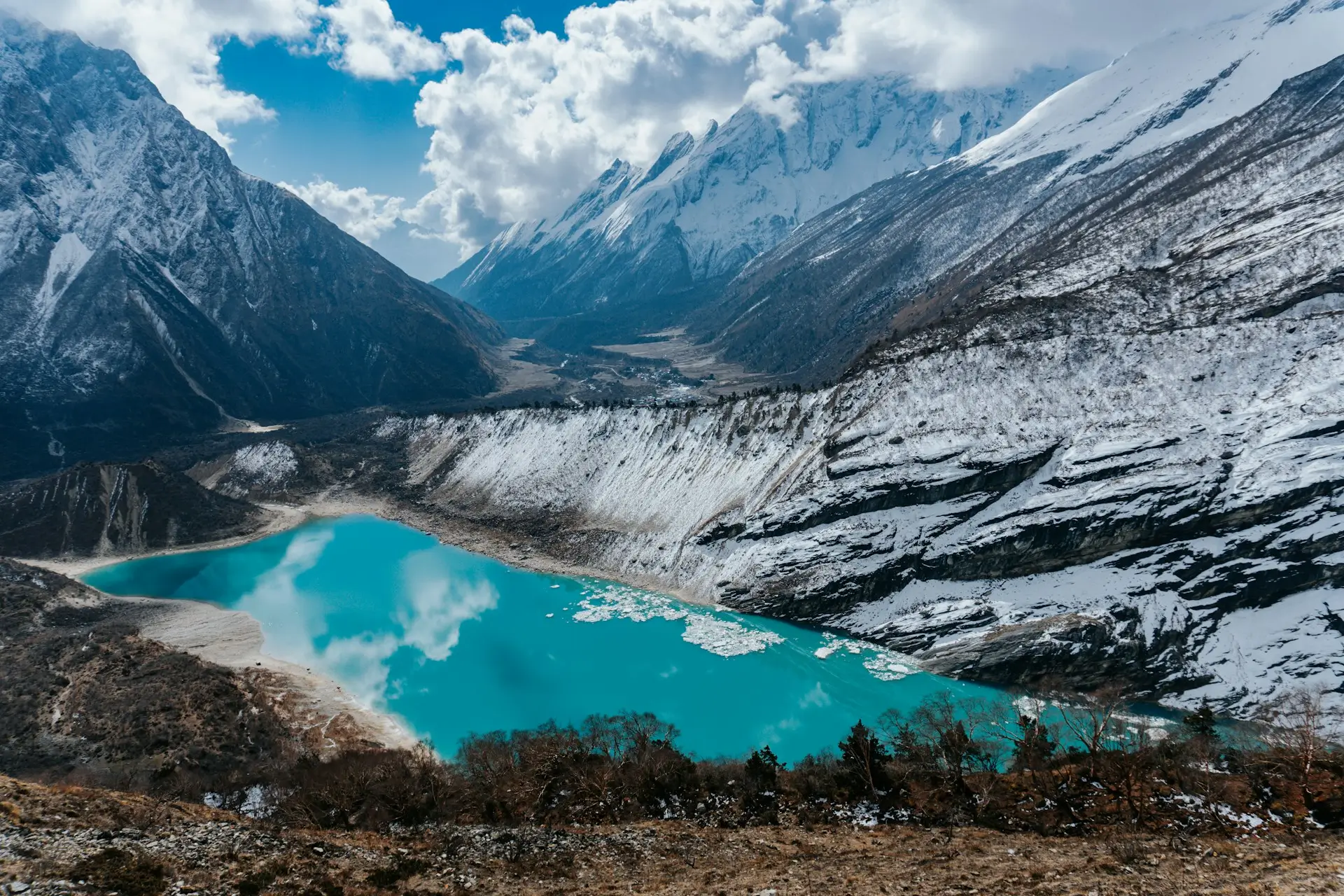
The trek also offers beautiful mountain views. From the valley, you can see peaks like Ganesh Himal, Boudha Himal, Sringi Himal, and Mount Manaslu. The scenery changes as you climb higher. The lower parts of the trek are green and forested, while the upper parts are rocky and snowy. Early mornings are magical, when the sun rises and paints the mountains in shades of pink and orange.
Manaslu Tsum Valley is also sacred. Many pilgrims visit the valley to see holy sites, meditate, and perform rituals. Some parts of the valley are restricted, so trekkers need special permits from the government. These rules help protect the culture and nature of the valley. Because of this, the trek feels private and special. You won’t see crowds or big hotels here. The villages have small guesthouses, simple meals, and warm hospitality.
This trek is perfect for those who want to escape crowded trails. It is ideal for photographers, nature lovers, and anyone who wants to experience Tibetan culture without leaving Nepal. You will see traditional art, crafts, and architecture everywhere. Many villagers still make butter lamps, carve wooden masks, and paint beautiful thangkas. These are all part of their daily life and religious practices.
Trekking here is also an adventure. The trails can be steep, rivers may need to be crossed on wooden bridges, and there are no big roads or vehicles. Walking through forests, crossing rivers, and climbing hills gives a sense of achievement. You can stay in local lodges that serve simple Nepali food like dal bhat, noodles, and butter tea.
Some highlights of the trek are Chumling Village and Rachen Gompa. Chumling is a main village in the valley, where you can see monasteries, mani walls, and traditional houses. The villagers are kind and may invite you to join religious ceremonies. Rachen Gompa is a remote monastery on a hill, offering stunning views of the surrounding mountains and valleys.
Manaslu Tsum Valley is not just a physical journey; it is a spiritual one. Walking slowly through the valley, you feel calm and peaceful. You learn about Buddhism, respect for nature, and the beauty of simple living. Trekkers often say that Manaslu Tsum Valley leaves a deep impression because it is quiet, untouched, and full of natural beauty.
Packing for this trek is important. You need warm clothes, sturdy shoes, and rain gear. A sleeping bag is helpful because nights can be cold, even in summer. Carrying water, snacks, and a first-aid kit is recommended. It is also important to respect local culture by dressing modestly, asking before taking photos, and following monastery rules.
The Manaslu Tsum Valley Trek is a journey into a peaceful, hidden world. It offers culture, nature, and adventure all in one. From green forests to snow-capped mountains, from friendly villages to ancient monasteries, the trek is unforgettable. If you want to see a part of Nepal that feels untouched by time, meet kind-hearted people, and walk in beautiful mountains, Manaslu Tsum Valley is the perfect place.
Manaslu Tsum Valley Trek Highlight
- Tsum Valley Exploration – Discover the hidden, culturally rich Tsum Valley, a peaceful region untouched by mass tourism.
- Ancient Monasteries – Visit centuries-old monasteries like Rachen Gompa and local temples, experiencing authentic Tibetan Buddhist traditions.
- Chumling Village – Explore Chumling, the main village of the valley, with traditional houses, mani walls, and warm local hospitality.
- Scenic Himalayan Views – Enjoy stunning panoramas of Mount Manaslu, Ganesh Himal, Boudha Himal, and other snow-capped peaks.
- Traditional Tibetan Culture – Witness daily life of the Tsumbas, local festivals, butter lamps, thangkas, and spiritual rituals.
- Forest and Nature Walks – Trek through rhododendron, oak, and pine forests, spotting wildlife like birds, monkeys, and occasionally deer.
- Remote Himalayan Villages – Stay in local teahouses and guesthouses, experiencing simple village life and traditional Nepali cuisine.
- Adventure and Trekking Challenge – Cross rivers, climb hills, and navigate rocky trails, providing a sense of achievement and adventure.
- Sacred and Spiritual Experience – Feel the calm and peace of the valley, a place of pilgrimage for meditation, rituals, and spiritual reflection.
- Off-the-Beaten-Path Journey – Travel through a restricted and less-visited area, ensuring a private, serene, and authentic trekking experience.
Manaslu Tsum Valley Trek Itinerary
Expand AllToday, you arrive at Tribhuvan International Airport in Kathmandu, the capital city of Nepal. After finishing immigration and collecting your luggage, our friendly representative will meet you and take you to your hotel. You can relax and rest after your long flight to get ready for the trek ahead.
In the evening, you can take a short walk around the city to feel the local life. Kathmandu is full of energy, with narrow streets, colorful markets, and old traditional buildings. You can see people cooking food, selling souvenirs, and going about their daily work.
Today is mainly for rest and getting used to the altitude. Your trekking guide will also give you a briefing about the trek, including the route, safety tips, and what to pack. The travel today is very short, just from the airport to your hotel, so take it easy and enjoy the first glimpse of Nepal.
Today, you will start your journey toward Machha Khola, the starting point of the Manaslu Tsum Valley Trek. The drive is long, about 8 to 9 hours, covering roughly 140–150 km. You will leave the busy streets of Kathmandu behind and travel through small towns, rivers, and green hills.
Along the way, the scenery keeps changing. You will see terraced fields where farmers grow rice and vegetables, forests full of oak and pine trees, and small traditional villages. You may also see children walking to school, farmers working in their fields, and local markets where people sell fresh fruits and vegetables. The winding mountain roads give you many beautiful views, so take your time to enjoy the landscape.
Because the drive is long, it is a good time to relax, chat with your guide, and take in the sights. You may even spot birds, small animals, or local people going about their daily life.
When you reach Machha Khola (900 m) in the late afternoon, you will check in at a local guesthouse or lodge by the Budhi Gandaki River. Here, you can rest, organize your trekking gear, and get ready for the first day of walking on the trek tomorrow.
Today, your trek officially begins as you walk from Machha Khola to Jagat. The trail is mostly gentle, covering about 15 km and taking around 5 to 6 hours. You will follow the Budhi Gandaki River, passing small villages, terraced fields, and green forests. The path is peaceful, and you can see local people carrying firewood, tending their farms, or walking along the trail.
The scenery changes as you go. You will cross small wooden bridges, see traditional stone and wood houses, and notice mani walls and colorful prayer flags that show the local Buddhist culture.
Jagat is a small village at 900 m with simple guesthouses where you can rest. Tonight, enjoy a warm, simple meal and prepare your gear for the next day, as you begin walking deeper into the heart of the Tsum Valley.
Today, you will walk from Jagat to Chisopani, covering about 12 km in 4 to 5 hours. The trail gradually climbs as you enter the lower hills of the Tsum Valley. You will walk through forests of oak, pine, and rhododendron, enjoying the fresh smell of flowers and earth along the way.
You will pass small villages where people live simple lives, farming crops and raising animals. Children may wave as you pass, and along the trail, you will notice prayer flags and mani walls, showing the strong Buddhist culture of the valley. You will also cross small streams and walk along narrow paths, making the trek feel like a gentle adventure while staying close to nature.
Chisopani is a quiet village at 1,660 m, with simple lodges where you can rest, enjoy a warm meal, and prepare for the next day as the trail climbs higher into the valley.
Today, you will walk from Chisopani to Chumling, covering about 14 km in 6 to 7 hours. The trail starts with a steady climb through green forests of oak, pine, and rhododendron. You may hear birds singing and see monkeys or small animals along the way. The fresh mountain air makes the trek peaceful and refreshing.
Along the path, you will pass small villages where people live simple lives, farming crops and raising yaks and cows. You will notice mani walls, colorful prayer flags, and small chortens, which show the deep Buddhist culture of the Tsum Valley. The trail becomes steeper as you near Chumling, giving you beautiful views of the surrounding hills and distant mountains.
Chumling is a quiet village at 2,386 m, with simple lodges where you can rest, enjoy a warm meal, and prepare for the next day as you move deeper into the heart of the valley.
Today, you will walk from Chumling to Chhokangparo, covering about 10 km in 4 to 5 hours. The trail slowly goes uphill as you move into the higher parts of the Tsum Valley. You will walk through quiet forests and open grazing areas, passing small streams and enjoying views of distant mountains. The air feels cooler and fresher as you gain height.
Along the way, you will pass traditional villages where local people farm the land and raise yaks. You will see prayer flags, mani walls, and small chortens, showing the strong Buddhist culture of the valley. You may also see villagers carrying firewood or working in their fields.
Chhokangparo is a peaceful village at 3,010 m, with simple lodges where you can rest, enjoy a warm meal, and prepare for the next day as the trek continues deeper into the valley.
Today, you will walk from Chhokangparo to Nile, covering about 12 km in 5 to 6 hours. The trail climbs slowly through high mountain forests and open meadows. Along the way, you will see small streams, stone walls, and terraced fields. As you go higher, the air becomes cooler and the views of the surrounding mountains become clearer and more beautiful.
You will pass small villages where people live simple lives. They grow barley, buckwheat, and potatoes, and raise yaks for milk and work. You will see mani walls, colorful prayer flags, and small chortens, showing the strong Buddhist culture of the area. Local villagers may greet you kindly as you walk past their homes.
Nile is a quiet village at 3,361 m, with simple lodges where you can rest, enjoy a warm meal, and prepare for the next day as the trek continues deeper into the heart of the Tsum Valley.
Today, you will walk from Nile or Chhule to Mu Gompa, covering about 8–10 km in around 5 hours. The trail slowly climbs higher into the Tsum Valley, passing open meadows and rocky paths. As you walk, you can enjoy quiet views of the surrounding mountains and high grazing lands. The air feels cooler, and the peaceful environment makes the walk calm and relaxing.
Along the way, you will visit Dephyudonma Gompa, a small monastery where monks perform daily prayers. You will see prayer flags, mani stones, and Buddhist paintings, which show the spiritual life of the Tsumbas. Nearby villagers still live simple lives, farming and herding animals.
Mu Gompa sits at 3,700 m and is a quiet place to rest. You will stay in basic lodges, enjoy a warm meal, and prepare for the next day in this remote part of the valley.
Today, you will walk from Mu Gompa to Ranchen Gompa, covering about 10 km in 5 to 6 hours. The trail gently goes downhill from Mu Gompa, passing high grazing areas, small streams, and scattered villages. The walk is peaceful, with beautiful views of distant mountains and terraced fields along the valley.
As you walk, you will see mani walls, chortens, and colorful prayer flags, showing the strong Buddhist culture of the Tsum Valley. You may meet local people caring for yaks or working in their fields. The quiet trail creates a calm and spiritual feeling, helping you connect with nature and village life.
Ranchen Gompa sits at 3,240 m and is an important monastery in the valley. You will stay in simple lodges nearby, enjoy a warm meal, and have time to explore the monastery before preparing for the next day of trekking.
Today, you will walk from Ranchen Gompa to Deng, covering about 18 km in 7 to 8 hours. The trail slowly goes downhill through the valley, passing green forests, small rivers, and terraced fields. As you move to lower areas, you will feel the air becoming warmer and easier to breathe. The long walk gives you time to enjoy the quiet scenery and observe village life along the way.
During the trek, you will see mani walls, prayer flags, and small chortens, showing the strong Buddhist culture of the Tsumbas. You may also see villagers working in their fields or caring for yaks, giving you a close look at their simple daily life.
Deng is a small village at 1,860 m with basic lodges where you can rest. Tonight, enjoy a warm meal, relax your tired legs, and prepare for the next day of trekking in the valley.
Today, you will walk from Deng to Namrung, covering about 12 km in 5 to 6 hours. The trail starts with a steady uphill climb from the lower valley. You will pass through green forests, cross small streams, and walk beside terraced fields. As you go higher, the air becomes cooler and fresher, and the views of nearby hills and distant mountains become more beautiful.
Along the trail, you will see mani walls, prayer flags, and small chortens, which show the strong Buddhist culture of the Tsumbas. You may meet villagers working in their fields or taking care of yaks, giving you a look into their simple and traditional daily life.
Namrung is a quiet village at 2,900 m, with basic lodges where you can rest and enjoy a warm meal. In the evening, relax and get ready for the next day as the trek continues deeper into the valley.
Today, you will walk from Namrung to Lho Gham, covering about 8 km in 3 to 4 hours. The trail climbs gently uphill through open meadows, small streams, and scattered villages. As you gain height, the air becomes cooler and fresher, and the views of the surrounding mountains grow clearer and more beautiful.
Along the trail, you will see mani walls, colorful prayer flags, and chortens, which show the strong Buddhist culture of the valley. You may see local villagers working in their fields or taking care of yaks, giving you a close look at their simple daily life.
Lho Gham is a quiet village at 3,180 m, with basic lodges where you can rest and relax. In the evening, enjoy a warm meal, take in the peaceful mountain surroundings, and prepare for the next day as the trek moves higher into the heart of the valley.
Today, you will walk from Lho Gham to Samagaun, covering about 10 km in 5 to 6 hours. The trail slowly goes uphill through open meadows, green forests, and small streams. As you walk, you can enjoy peaceful views of the surrounding mountains. The air feels cool and fresh, and the high mountain landscape becomes more beautiful and dramatic as you get closer to Samagaun.
Along the trail, you will see mani walls, prayer flags, and small chortens, showing the strong Buddhist culture of the Tsumbas. You may also see villagers taking care of yaks or working in their fields, giving you a look into their simple and traditional way of life.
Samagaun is a charming village at 3,500 m, with basic lodges where you can rest. In the evening, enjoy a warm meal, relax, and prepare for the next day as the trek moves toward higher parts of the valley.
Today is an acclimatization day at Samagaun (3,500 m). This rest day helps your body slowly adjust to the high altitude. In the morning, you will relax in the village, drink plenty of water, and enjoy the calm mountain environment. In the afternoon, you will go for a short hike of about 5–6 km, which takes around 3 to 4 hours at a slow and easy pace.
During the hike, you can enjoy quiet views of snow-covered mountains, forests, and high-altitude grazing lands. You may see yaks eating grass and local villagers doing their daily work. Along the trail, mani walls, prayer flags, and small chortens show the strong Buddhist culture of the area.
After the hike, you will return to Samagaun, rest at your lodge, enjoy a warm meal, and get ready for the higher trek days ahead.
Today, you will trek from Samagaun (3,500 m) to Samdo (3,875 m). The walking distance is about 8 km, and the trek takes around 4 to 5 hours at a slow and steady pace. The trail slowly goes uphill as you move deeper into the high Tsum Valley. You will walk through open meadows, small streams, and quiet high-altitude areas. The air feels cooler and thinner, so it is important to walk slowly and take short rest breaks.
Along the trail, you will see mani walls, prayer flags, and small chortens, showing the strong Buddhist culture of the region. You may also see local people caring for yaks or working near their homes, which shows simple mountain life.
Samdo is a small village at 3,875 meters with basic lodges. In the evening, enjoy a warm meal, rest well, and prepare for the next day’s high mountain trek.
Today, you will walk from Samdo (3,875 m) to Dharmasala (4,460 m), covering about 10–11 km in 4 to 5 hours. The trail gradually climbs higher into the Tsum Valley. As you go up, the scenery becomes more amazing, with snow-covered mountains, glaciers, and high-altitude meadows. The air is thinner and colder, so it is important to walk slowly, take short breaks, and stay hydrated to help your body adjust.
Along the way, you will see mani walls, colorful prayer flags, and small chortens, showing the strong Buddhist culture here. You may also notice yaks grazing and villagers working, giving you a close look at life in these high mountain villages.
Dharmasala is a small settlement at 4,460 m, with simple lodges where you can rest, enjoy a warm meal, and prepare for tomorrow’s big hike to Larkya La Pass, the highest point of the trek.
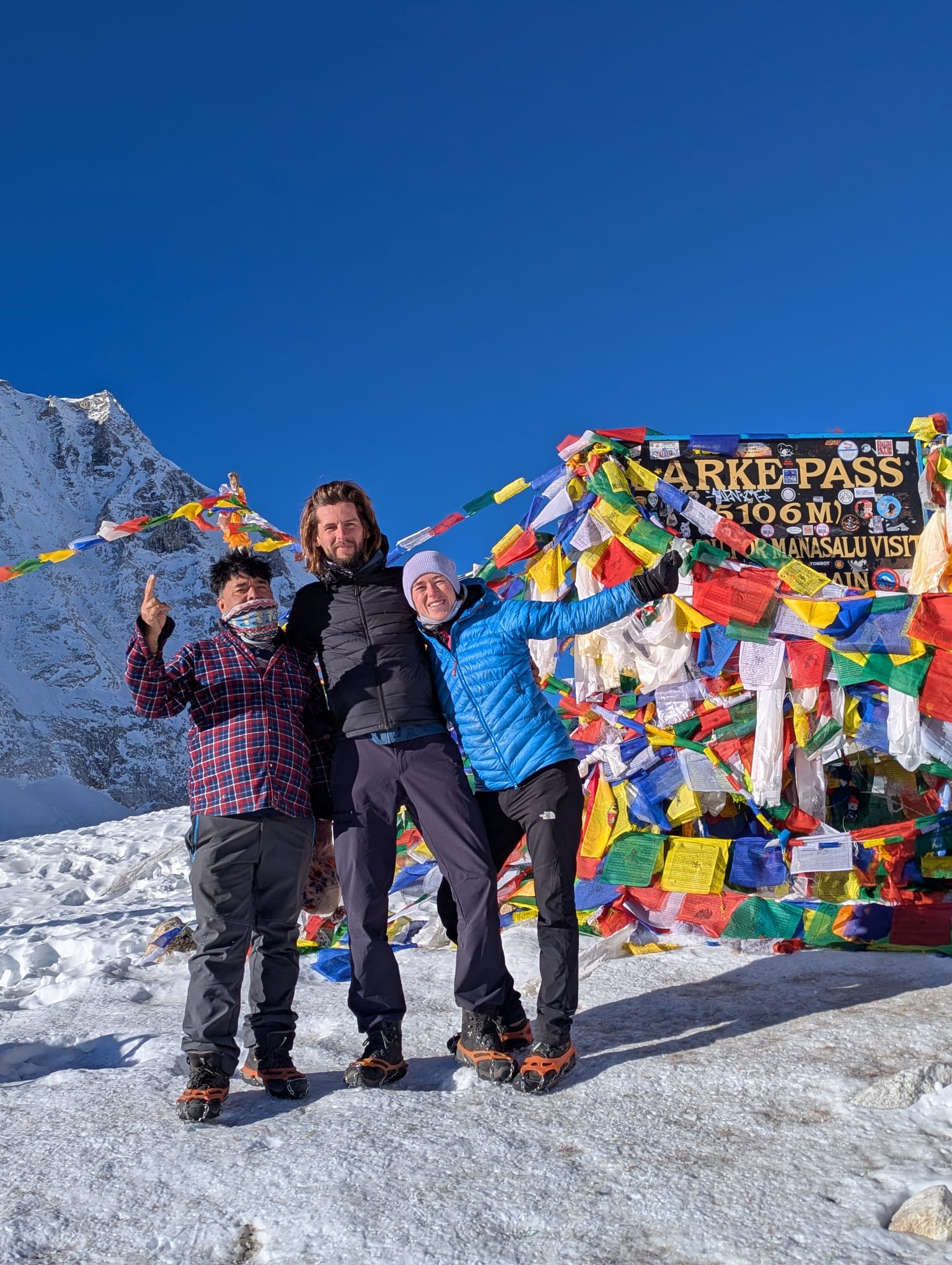
Today is the most challenging day of the trek as you cross Larke Pass, the highest point at 5,160 m, before walking down to Bhimthang (3,590 m). You will cover about 20 km in 8 to 9 hours. The day starts with a steady climb on rocky trails and snowy patches. The glaciers and high mountains around you are breathtaking. The air is thin, so it is very important to walk slowly, take short breaks, and stay hydrated.
After reaching the pass, the trail goes downhill through steep paths into high-altitude pastures. You may see yaks grazing and small villages along the way. Mani walls and colorful prayer flags remind you of the Buddhist culture of the valley.
Bhimthang is a quiet village with basic lodges where you can rest, enjoy a warm meal, and recover after this long, exciting day.
Today, you will walk from Bhimthang (3,590 m) to Tilje (2,295 m), covering about 9–10 km in 5 hours. The trail slowly goes downhill from the high pastures, passing through forests, rivers, and small villages. The air becomes warmer as you go lower, and the scenery changes from snowy alpine landscapes to green hills and terraced fields.
Along the way, you may see local farmers working in their fields and yaks grazing in the pastures. You will also notice mani walls, colorful prayer flags, and small chortens, which show the strong Buddhist culture of the region. Walking through these villages gives you a close look at the simple, traditional life of people living in the hills of Nepal.
Tilje is a quiet village at 2,295 m, with basic lodges where you can rest, enjoy a warm meal, and relax as the trek moves closer to the lower valley.
Today, you will trek from Tilje to Dharapani (1,860 m), covering about 15 km in the morning. The trail slowly goes downhill through forests, rivers, and terraced fields, letting you enjoy the green hills and traditional villages one last time. The air becomes warmer as you go lower, and the walk is peaceful and scenic.
After reaching Dharapani, you will drive back to Kathmandu, which takes around 8–9 hours. The road passes through rivers, small towns, and lush countryside, giving you a final look at rural Nepal. You may notice local markets, farmers working in the fields, and children walking to school.
Once you reach Kathmandu, you will check into your hotel. Tonight, you can rest, enjoy a comfortable bed, and reflect on your unforgettable journey through the Tsum Valley.
Today is the last day of your Tsum Valley Trek. You will have a relaxed morning in Kathmandu (1,400 m) to enjoy breakfast at your hotel and remember all the amazing experiences of the past days. From walking through quiet villages, forests, and rivers to crossing high passes and visiting old monasteries, the journey has been full of adventure and beauty.
After breakfast, our guide will transfer you to Tribhuvan International Airport for your flight. You will say goodbye to Nepal and the kind people you met along the way.
As you leave, you can think about the peaceful mountains, the Buddhist traditions, and the warm hospitality of local villagers. The Tsum Valley Trek ends today, but the memories, stories, and lessons from this incredible journey will stay with you for a lifetime.
Manaslu Tsum Valley Trek Includes/Exclude
Cost Include
- Airport arrival and departure by Private vehicle.
- Welcome and farewell dinner.
- Accommodationat a 3 star Standard caategory hotel in kathmandu for two nights.
- Daily breakfast at kathmandu.
- All ground transfers as per Itinerary.
- Kathmandu to Machha khola by private jeep
- English-speaking trekking guide and required number of porters as per group size.
- Twin/Double sharing guesthouse/tea house accommodation during the trek as per the itinerary.
- Meals-Breakfast, Lunch, Dinner and also one cup of tea/coffee everyday during the trek.
- Wages, Medical, Travel Insurance, Salary, Meals, Accommodation equipment for guide, supportive crew and all applicable taxes.
- Seasonal fresh fruit throughout the trek.
- Manaslu Conservation Area Project permit (MCAP)
- A Restricted Area Permit (RAP)
- Annapurna Conservation Area Project permit (ACAP)
Cost Exclude
- Nepal visa fee (Can be obtain upon Arrival at airport/boarder).
- International airfare and taxes to/from Kathmandu.
- Meals: lunch and dinner in Kathmandu.
- Your travel insurance.
- Any kind of beverage.
- Personal expenses and extra trips/services not included in the service.
- Personal trekking Clothing/Gears.
- Tipping/Gratuities.
- Expenses caused by unforeseen circumstances such as bad weather, natural disaster, political issues, personal illness, etc.
- All the bar bills and personal expenses (Phone call, Laundry services, WiFi, Battery recharge, a bottle of water, Hot water, Desert and Shower).
- Your high altitude emergency travel insurance.
- Tips for Guide and Porter.
- Any other expenses not mentioned in the “Included” section.
Manaslu Tsum Valley Trek Gallery/Video
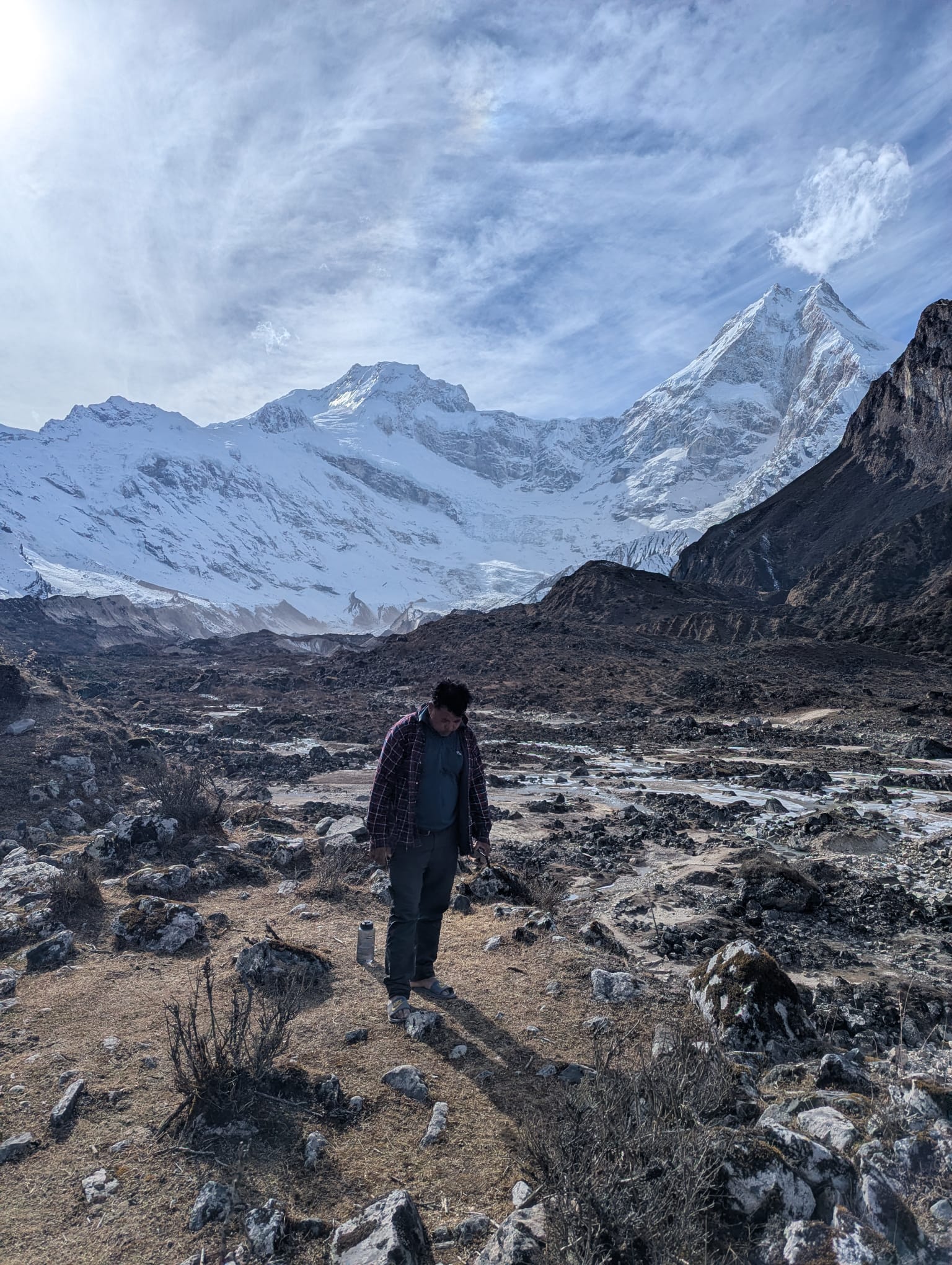
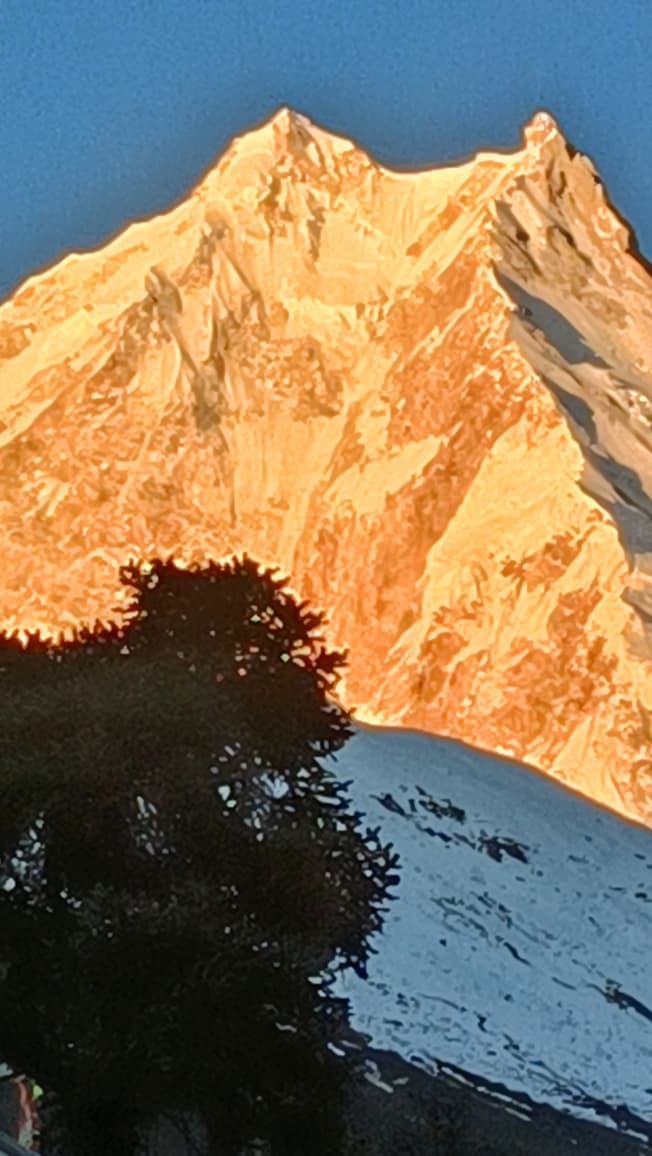
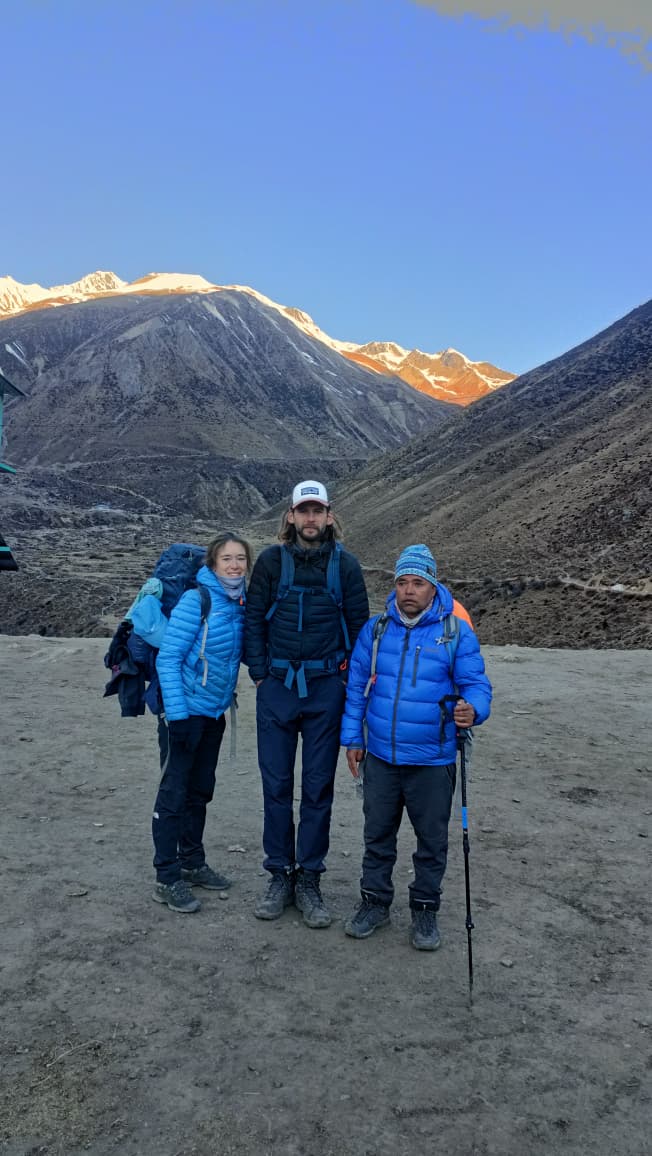
Manaslu Tsum Valley Trek FAQS
Expand AllThe Manaslu Tsum Valley Trek is a beautiful journey in northern Nepal. It takes you through quiet villages, forests, rivers, and high mountains. You will also visit old monasteries and see the Buddhist culture of the Tsumbas.
This trek usually takes 20 days, including arrival and departure from Kathmandu. Each day you will walk for a few hours, depending on the distance and altitude.
The best time is in autumn (September–November) and spring (March–May). During these months, the weather is clear, the mountains are visible, and the trails are safer.
Yes, you need Manaslu Restricted Area Permit and Tsum Valley Special Permit. These help protect the environment and local culture. Your trekking agency will arrange them.
It is a moderate to difficult trek because you will walk in high mountains, cross passes, and stay at high altitudes. You should be physically fit and ready for long walks.
You will stay in basic lodges or teahouses in the villages. They have simple beds and meals. Hot showers are not always available at high altitudes.
You can enjoy Nepali food like dal bhat (rice and lentils), noodles, soups, and momo (dumplings). Tea, coffee, and butter tea are also available in most lodges.
Yes, it is strongly recommended to hire a guide and porter. They help with directions, carry heavy bags, and make your trek safer and easier.
Some people may feel headaches, nausea, or tiredness at high altitudes. Walking slowly, drinking lots of water, and resting properly helps prevent it. Your guide will also give advice.
Bring warm clothes, hiking boots, rain gear, sleeping bag, water bottle, snacks, and a small first-aid kit. Don’t forget sunscreen, sunglasses, and a hat for the sun.
Reviews

Annapurna Circuit Trek
Very good
Everest Gokyo Trek
This was a wonderful, educational tour where we learned a lot and had a very fulfilling time from start to finish.
Everest Gokyo Trek an excellent tour of Nepal
Excellent! Bishnu was an excellent guide on our trip. Knowledgeable, kind and answered all of our questions. Thank you for an excellent tour of Nepal!
Annapurna Panorama Trek
Vishnu has been a very insightful guide, taking me and my partner to beautiful places that we couldn't even imagine to see. The views from the mountains left us breathless and we highly recommend Altitude Trek Nepal Pvt. Ltd company for mountain and city hiking and sightseeing.

Annapurna Base Camp Trek
Vishnu was an amazing guide. Altitude Trek Nepal made the whole trip seamless - they booked our transport, accommodation and helped us to hire the gear we needed. Organising all this without local knowledge would have been difficult, but they made it so easy. The trip itself was amazing! I will never forget it. Thank you so much for everything.
Everest Base Camp Trek
Excellent.
Annapurna Circuit Trek
Altitude trek nepal pvt.ltd was a great help in planning my Annapurna circuit trek. When I came to Nepal I had no idea how to move forward with my plans, but these guys helped me and we're very friendly!
Annapurna Base Camp Trek
Good guide, always patience and helpful
Everest Base Camp Trek – Smooth, Safe, and Enjoyable Journey
The trek leader from Altitude trek Nepal - Mr Shivaji met us a Lukla airport right when we landed, guided us through our EBC trek and made sure we got back on our flight out of Lukla safely. His experience and guidance was essential to the success of our trek. He was easy to communicate with in Hindi and English. He understood our needs and made adjustments based on our conditions. Would highly recommend him for a safe and enjoyable journey
Annapurna Region Trek – Excellent Organisation and Trusted Guiding.
Altitude Trek Nepal delivered an excellent trekking experience in the Annapurna region from start to finish. Everything was well organized, smooth, and thoughtfully planned, which let us focus fully on the mountains and the journey. The itinerary, pacing, and logistics were spot-on, and the team was consistently professional and friendly. A special thank-you to my guide, Vishnu Kumar, whom I’ve known for many years and trust completely. Vishnu’s experience, calm leadership, and attention to detail made every day feel safe, enjoyable, and stress-free. He always checked in on everyone, handled every small issue quickly, and shared great local insight along the way. I truly appreciate his dedication and warmth, and I can confidently recommend Altitude Trek Nepal to anyone planning an Annapurna trek, or any other trek in Nepal!
Add a Review
Speak To Expert